


Following the signing of a contract earlier this year for 2+2 114,000 DWT product tankers, Swiss commodities trader Mercuria Energy Group is deepening its cooperation with Dalian Shipbuilding Industry Corporation (DSIC), and the two sides are in talks about a new shipbuilding project.
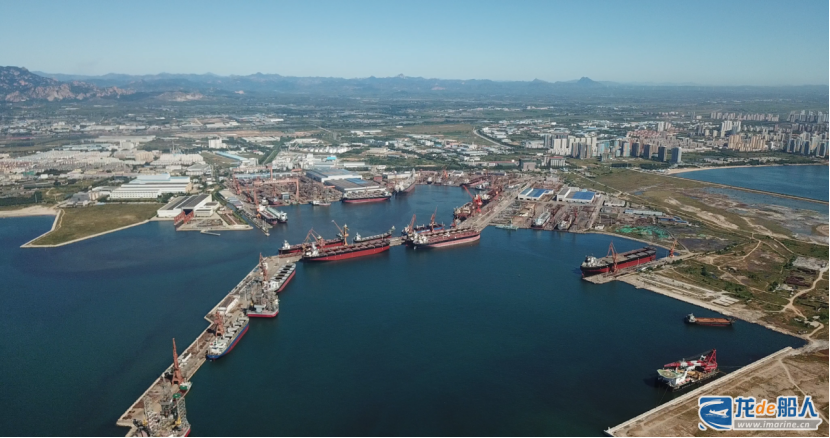
Shipbrokers and market sources have disclosed that Mercuria is in discussions with DSIC to build two 306,000 DWT Very Large Crude Carriers (VLCCs), with delivery expected in 2029.
If finalized, this will mark the second collaboration between Mercuria and DSIC in recent times. In mid-January, Mercuria and DSIC signed a contract for the construction of 2+2 114,000 DWT product tankers, with each vessel costing approximately $72 million.
Currently, DSIC has established core competitive advantages in the 110,000 DWT product/crude oil tanker segment. The order for 2+2 newbuildings from Mercuria further solidifies DSIC’s position among the world’s top tier in medium-to-large tanker construction. Concurrently, this order has increased DSIC’s order backlog for 110,000 DWT product/crude oil tankers, making it the global leader in orders received for this vessel type.
According to previous reports, Mercuria remained active in the newbuild market throughout 2024, placing orders for oil tankers at three Chinese shipyards: two VLCCs at Waigaoqiao Shipbuilding, two LR1 product tankers at Yangzijiang Shipbuilding, and four MR product tankers at China Merchants Jinling Shipyard (Jiangsu). Although no newbuild projects were disclosed for 2025, the company expanded its market footprint by entering the dry bulk carrier segment through the acquisition of Capesize bulk carriers.
By 2026, Mercuria has significantly increased its shipbuilding intentions. In addition to the two VLCCs under negotiation and confirmed orders with DSIC, it has placed an order for 2+2 Newcastlemax bulk carriers with a deadweight tonnage of 211,000 tons at Nantong Xiangyu Shipbuilding & Offshore Engineering Co., Ltd. (Nantong Xiangyu SOE). Each vessel is valued at approximately $77.5 million and is expected to be delivered by mid-2028. Including the latest disclosed negotiations, all publicly announced newbuild projects by Mercuria are currently being undertaken by Chinese shipyards.
As of 2026, VLCCs have become the dominant vessel type in the oil tanker market. By January 31, global shipowners had placed orders for 17+1 vessels. Chinese shipyards lead in orders received with 13+1 vessels. South Korean and Japanese shipyards have secured 3 and 1 vessels respectively.
Regarding the surge in VLCC orders in January 2026, Ralph Leszczynski, Head of Research at shipping consultancy Banchero Costa, analyzed that despite the sharp increase in new VLCC construction activity, this wave of orders does not raise supply concerns: ” The VLCC fleet contains a significant number of aging vessels, with approximately 20% of the global fleet exceeding 20 years of age. For most international oil giants, vessels of this age typically no longer meet operational requirements.”
Meanwhile, secondhand VLCC prices have hit record highs, with five-year-old vessels currently selling for nearly $120 million—just about 6% below the approximately $128 million quoted by Korean shipyards for newbuilds. In light of this, Ralph Leszczynski concluded: “Given the current market conditions, investing in VLCCs by ordering newbuilds is indeed a more rational choice.”