


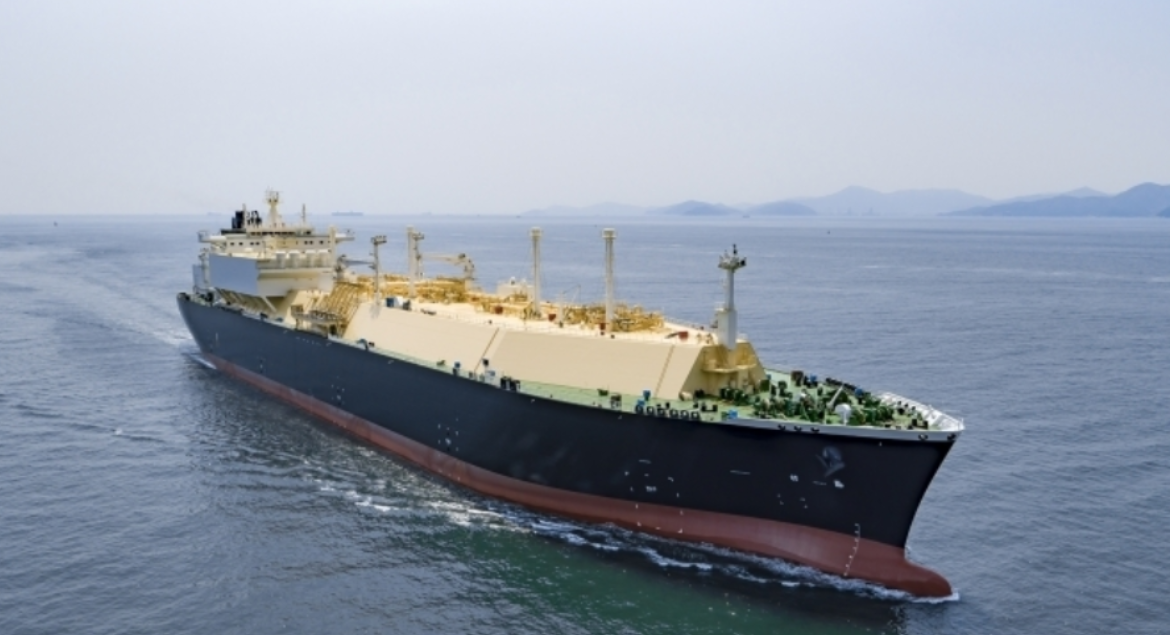
QatarEnergy, the state-owned oil and gas giant, plans to build a fleet of 200 liquefied natural gas (LNG) carriers. This means that in addition to the 128 new vessels ordered under its historic LNG fleet expansion project, the energy giant will place orders for at least 70 additional newbuilds.
Saad Sherida Al-Kaabi, Minister of State for Energy Affairs and President and CEO of QatarEnergy, announced at the world’s largest LNG industry exhibition “LNG 2026” held in Doha on February 2 local time: “Within the coming years, QatarEnergy will operate approximately 200 LNG carriers to build the world’s largest LNG carrier fleet.”
Saad Sherida Al-Kaabi emphasized: “To support this fleet expansion plan, QatarEnergy has launched one of the largest new shipbuilding programs in industry history, placing orders for 128 new LNG carriers under this initiative. Thirty-eight vessels from this order have already been delivered, with the remaining ships scheduled for delivery at a rate of one every three weeks starting in 2026.”
Reports indicate that robust LNG demand is a key driver behind QatarEnergy’s push for additional orders. Saad Sherida Al-Kaabi anticipates that natural gas demand will persist for decades during the energy transition period.
To meet global demand, QatarEnergy plans to expand natural gas production, aiming to account for approximately 40% of the world’s new LNG supply over the next decade. Through major projects initiated several years ago, QatarEnergy’s annual LNG production will double from 77 million tons to 160 million tons, with 142 million tons coming from the North Field—the world’s largest single gas field.
It is understood that QatarEnergy’s historic LNG fleet expansion project was launched in 2020, with over 100 new vessels ordered from Chinese and South Korean shipbuilders under this initiative.
Specifically, China’s Hudong-Zhonghua Shipbuilding has secured orders for a total of 36 vessels across two types: 12 174,000 m³ LNG carriers and 24 271,000 m³ QC-Max LNG carriers. South Korea has secured over 90 vessels, with Hyundai Heavy Industries, Samsung Heavy Industries, and Hanwha Ocean securing 34, 33, and 31 vessels respectively—all conventional 174,000 m³ LNG carriers.
In recent years, LNG carriers have gradually become the main battleground for competition between Chinese and South Korean shipbuilders. In 2022, Chinese and South Korean shipbuilders secured orders for LNG carriers of 56 and 115 vessels respectively, with market shares of 32.5% and 67.5%.
In 2024, the order gap between Chinese and South Korean shipbuilders in the newbuild LNG carrier market narrowed significantly. Chinese shipbuilders secured 28 vessels, while South Korean counterparts secured 48 vessels, resulting in China’s market share rising to 42.8% and South Korea’s falling to 57.2%. More notably, Hudong-Zhonghua Shipbuilding emerged as the top LNG carrier builder in 2024, securing 24 vessels.
In 2025, the newbuilding market for LNG carriers showed signs of weakness, with annual orders totaling only 37 vessels. Except for 3+3 vessels secured by Hudong-Zhenhua and 2 vessels by Hanwha Philly Shipyard in the United States, all remaining orders were secured by South Korean shipbuilders.
Entering 2026, the order trend for LNG carriers has gradually improved. As of February 2, a total of 22+5 vessels have been ordered globally. Chinese and South Korean shipbuilders have secured 13+5 and 9 orders respectively, with Chinese yards currently leading the race.
With QatarEnergy officially announcing a major shipbuilding project involving over 70 LNG carriers, Chinese and South Korean shipbuilders are expected to engage in a new round of fierce competition for orders.