


New York-listed tanker owner DHT Holding is accelerating its fleet renewal program, agreeing to sell its Very Large Crude Carrier (VLCC) “DHT Bauhinia” for $51.5 million.
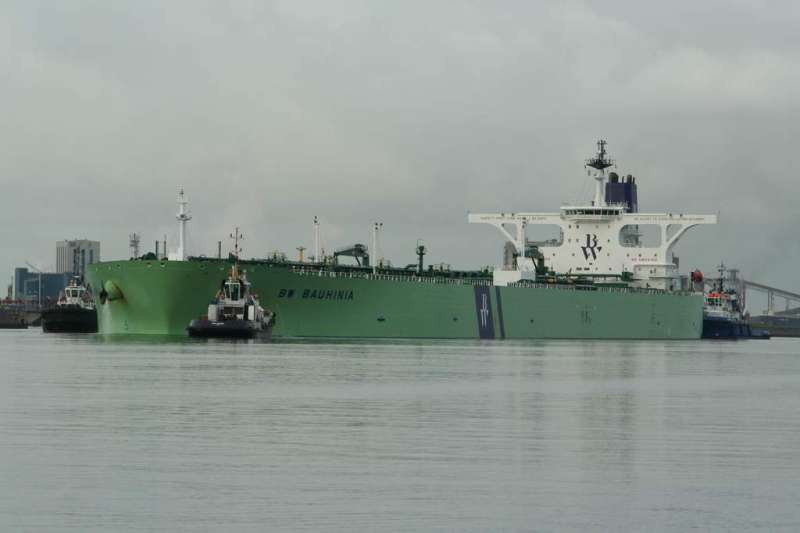
The DHT Bauhinia is currently debt-free, and the transaction is expected to generate a gain of $34.2 million for the company. Data shows the vessel measures 332 meters in length and 58.04 meters in width.
The DHT Bauhinia, with a deadweight tonnage of 301,000 tons, was constructed by Daewoo Shipbuilding & Marine Engineering (now Hanwha Ocean). As the oldest vessel in DHT’s fleet, it is scheduled to be transferred to its new owner in June or July 2026.
To accelerate fleet renewal, DHT sold four relatively old VLCCs last year: the “DHT China” and “DHT Europe”, which were announced for sale at the end of December 2025, for a total price of US$101.6 million; and the “DHT Lotus” and “DHT Peony”, which were announced for sale earlier in 2025, for a total price of US$103 million.
Both the “DHT China” and “DHT Europe” were built by Hyundai Heavy Industries and delivered in 2007. They are now over 18 years old and are expected to be delivered to their new owners in the first quarter of 2026. The “DHT Lotus” and “DHT Peony” were built by Bohai Shipbuilding Heavy Industry and delivered in 2011. Both have a deadweight tonnage of 320,000 tons and have been delivered to their new owners.
In addition to the sale of the vessel, DHT has already taken delivery of the 320,000 DWT VLCC “DHT Antelope” earlier this year. Built by Hanwha Ocean, the vessel is 331 meters long, 60 meters wide, has a summer deadweight of 281,800 tons and compliance with Tier III emission standards.
According to its official website, DHT is an independent crude oil tanker company currently operating a fleet of nearly 30 VLCCs worldwide. Its operations are managed through integrated management companies based in Monaco, Norway, Singapore and India. Amid robust asset valuations, DHT continues to monetize aging vessels while optimizing its fleet structure. This approach frees up capital and secures returns, positioning the company to capitalize on the next phase of the tanker cycle.