


On December 12, shipping giant Hapag-Lloyd announced on its official website that it had signed a shipbuilding contract with Chinese shipyard CIMC Raffles for eight methanol dual-fuel container vessels. The investment exceeds US$500 million, with each vessel costing around US$62.5 million.
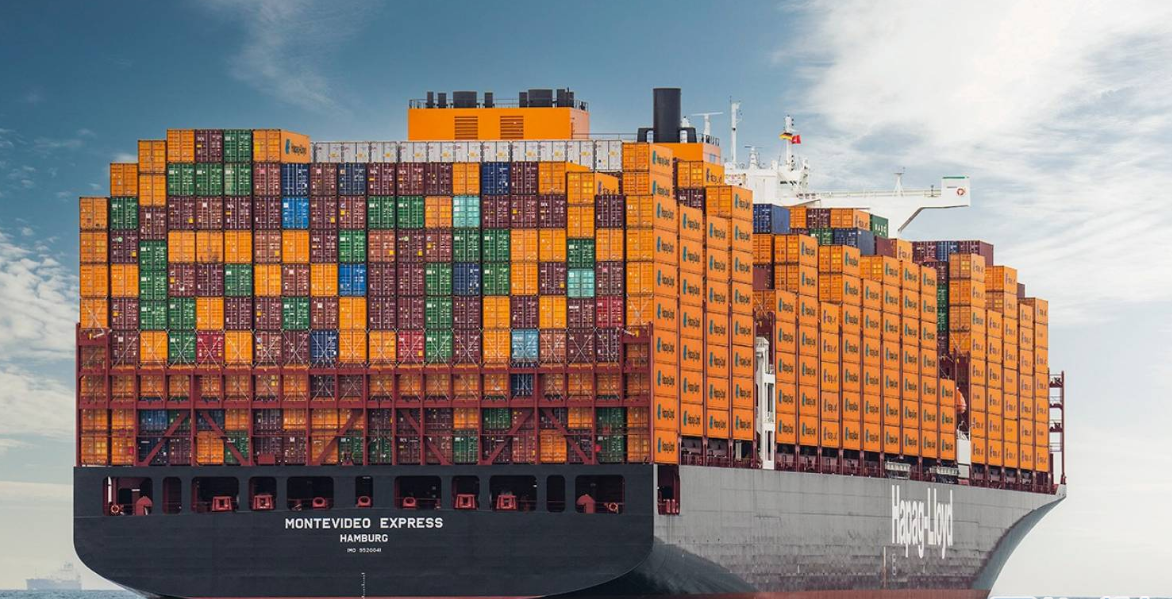
This batch of container vessels has a capacity of 4,500 TEU and is scheduled for delivery between 2028 and 2029. The new vessels are equipped with methanol dual-fuel engines, achieving a 30% improvement in energy efficiency compared to older vessels of the same class and will be able to save up to 350,000 metric tons of CO₂ per year when using methanol propulsion. The ships, which are part of Hapag-Lloyd’s first newbuild project involving this sustainable propulsion technology, will complement the growing portfolio of dual-fuel container ships in the company’s fleet: At present, a total of 37 dual-fuel liquefied natural gas (LNG) units that can also operate using biomethane are in operation or planned.
In addition, in April 2024, Hapag-Lloyd had already agreed with Seaspan Corporation to have five 10,100 TEU container ships converted to dual-fuel methanol propulsion in 2026 and 2027. Moreover, in November 2024, Hapag-Lloyd had concluded an agreement with the Chinese energy producer Goldwind for the supply of 250,000 metric tons of green methanol per year. The green methanol, which will consist of a mixture of biomethanol and e-methanol, will reduce greenhouse gas emissions by at least 70 percent and thereby comply with all current sustainability certifications.
Furthermore, it was decided that another 14 newbuildings in the size classes 1,800 TEU (4 units), 3,500 TEU (6 units) and 4,500 TEU (4 units) will be chartered on a long-term basis. The ships will be delivered between 2027 and 2029. As previously announced on November 13, 2025, Hapag-Lloyd is thus investing in a total of 22 new vessels in the segment with a capacity of less than 5,000 TEU.
“Continuously modernizing our fleet is firmly anchored in our Strategy 2030. The new ships will help replace older tonnage, further decarbonize the Hapag-Lloyd fleet, and reduce our dependence on the charter market. What’s more, operating these state-of-the-art ships will be much more cost-efficient,” said Rolf Habben Jansen, CEO of Hapag-Lloyd AG.
Hapag-Lloyd remains committed to its goal of being a driver of sustainability in container shipping and to the gradual decarbonization of its fleet. By 2030, the company plans to reduce the absolute greenhouse gas emissions of its fleet operations by around one third compared to 2022. Net-zero fleet operations are to be achieved by 2045.