


Reuters reported on June 16 that, sources familiar with the matter said, QatarEnergy is prepared to quickly resume production at the Ras Laffan liquefied natural gas (LNG) plant. Within a month, the company is expected to restore full-capacity production at facilities unaffected by the conflict with Iran.
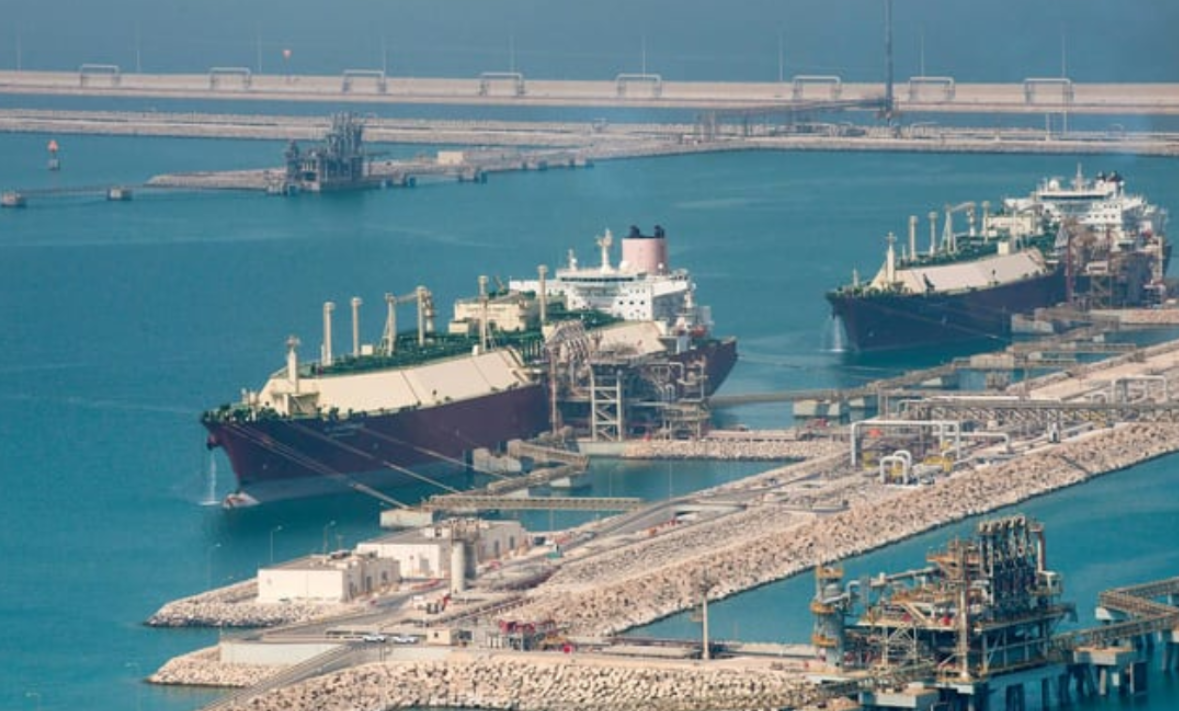
The CEO of QatarEnergy stated that during the attacks in March of this year, two LNG production lines and one gas-to-liquids (GTL) plant operated by QatarEnergy were damaged, resulting in a 17% loss in Qatar’s LNG export capacity. It will take several years to repair these damaged facilities.
Sources familiar with the matter point out that production capacity at the remaining facilities—which had been shut down due to the blockade of the Strait of Hormuz (a key route for oil and gas exports)—can be quickly restored. The issue going forward lies in the efficiency of LNG carriers entering port and loading cargo once navigation through the strait resumes. In other words, the core issue is shipping and logistics, not production capacity.
Although the United States and Iran have reached a framework agreement on a ceasefire and the reopening of the Strait of Hormuz, only about a dozen LNG carriers have successfully passed through the strait since the war broke out in late February.
Currently, shipping companies are still awaiting safety assurances for navigation through the strait, including mine clearance operations in the shipping lanes, which could delay the resumption of normal shipping operations by several more weeks.