


A recent report by the U.S. Congressional Budget Office (CBO) reveals that the U.S. Navy’s proposed plan to design and build a new class of nuclear-powered battleships is projected to cost US$275 billion over the next thirty years and place unprecedented strain on the U.S. shipbuilding industry.
The analysis forecasts that the first ship of the planned 15 “Trump-class” nuclear-powered guided-missile battleships (BBGN) will cost approximately US$23.4 billion to build, with the subsequent 14 ships costing an average of about $18 billion each. In terms of 2026 dollars, the total cost of the program from 2027 to 2056 is estimated at approximately US$275 billion.
CBO’s estimate is much higher than the U.S. Navy’s previous forecast for the Trump-class conventionally powered battleships. Before the “Golden Fleet” shipbuilding plan converts the project to nuclear power in 2027, the first ship is expected to cost about US$15.1 billion, and the average cost of subsequent ships is about US$10.2 billion.
European military media report that the Trump-class nuclear-powered battleship represents a type of vessel the U.S. Navy has not built since the end of World War II; with a full-load displacement of approximately 35,000 tons—more than three times that of the Arleigh Burke-class destroyer—it will be equipped with a variety of weapon systems.
Despite the staggering cost, CBO pointed out that the operating costs of the Trump-class nuclear-powered battleships are expected to be reduced during their service because they do not need to use traditional fuel. However, the agency stated that there is currently insufficient information to estimate the specific savings.
U.S. Defense Shipbuilding Ambitions Put Heavy Pressure on Domestic Shipbuilding Industry
Perhaps even more noteworthy than the staggering US$275 billion price tag is the heavy burden the “Trump-class” nuclear-powered battleship program would impose on the U.S. shipbuilding industry, a sector already in decline.
CBO data indicates that, under the U.S. Navy’s 2027 shipbuilding plan, annual spending on large surface combatants would surge from the originally projected $11 billion to approximately US$19 billion, with a corresponding increase in the construction volume of major surface combatants.
By 2035, U.S. shipyards will need to more than double their annual production capacity for large surface combatants compared to original plans. Overall, annual production capacity for large surface combatants is set to increase by approximately 60%, while capacity for small and medium surface combatants will decrease by about 40%. Consequently, the CBO warns that absorbing such a massive increase in capacity “could pose a challenge for the shipbuilding industry.”
Compounding these concerns, U.S. shipyards continue to grapple with labor shortages and production delays. The CBO notes that destroyer programs now take an average of about 11 years from funding to delivery—compared to just five years in the 2000s—while construction schedules for aircraft carriers and submarines are also falling behind plan.
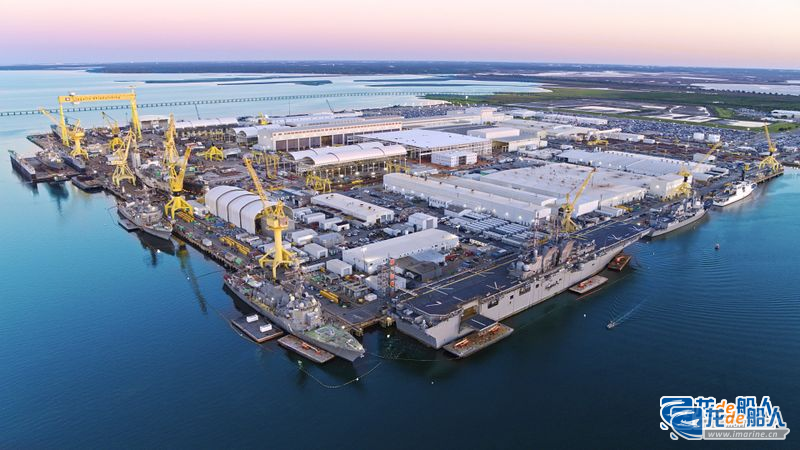
Under U.S. Navy plans, Newport News Shipbuilding is slated to handle the final assembly of the Trump-class nuclear-powered battleship, as it is currently the only shipyard in the United States qualified to build nuclear-powered surface combatants. However, given that the shipyard is already engaged in the construction of Ford-class aircraft carriers and nuclear submarines, assigning the battleship project to the facility has sparked serious concern within the U.S. industry regarding the potential strain on its production capacity.
The CBO also warned that commencing construction of the Zumwalt-class nuclear-powered battleships before their design has fully matured—a common issue in U.S. defense shipbuilding programs—could further drive up costs and exacerbate schedule delays. The agency noted that although the U.S. plans to place an order for the lead ship in 2028, the class remains in the early stages of design.
The U.S. Navy believes that digital engineering, modular construction, and AI-based design tools will help mitigate schedule risks. However, the CBO points out that the program faces significant execution challenges, citing the troubled construction histories of various U.S. defense shipbuilding projects, such as the Constellation-class frigate.