


Driven by factors such as fleet renewal and geopolitical considerations, shipowners’ demand for new vessel construction remains robust. In the first nine months of 2026, the number of new shipbuilding orders globally surpassed 2,800—reaching an 18-year high.
According to data from Clarksons, a total of 2,806 new vessels—amounting to 145.2 million gross tons—were ordered globally between January and September of this year. The volume of new shipbuilding orders for the first nine months of 2026 is already approaching the historical record of 173.9 million gross tons set for the full year of 2007. Based on the current pace of order growth, the total volume of new shipbuilding orders for 2026 is on track to surpass the 2007 peak, setting a new all-time record.
As of September 30, 2026, the global shipbuilding orderbook stands at 9,699 vessels, totaling 435.8 million gross tons (GT)—surpassing the previous historical peak of 422 million GT recorded in October 2008. The current global fleet comprises 117,811 vessels, totaling 1.8 billion GT. A key difference between the current market cycle and the 2008 peak is that, back then, the orderbook represented 52% of the global fleet’s capacity, whereas today that figure stands at only 24%.
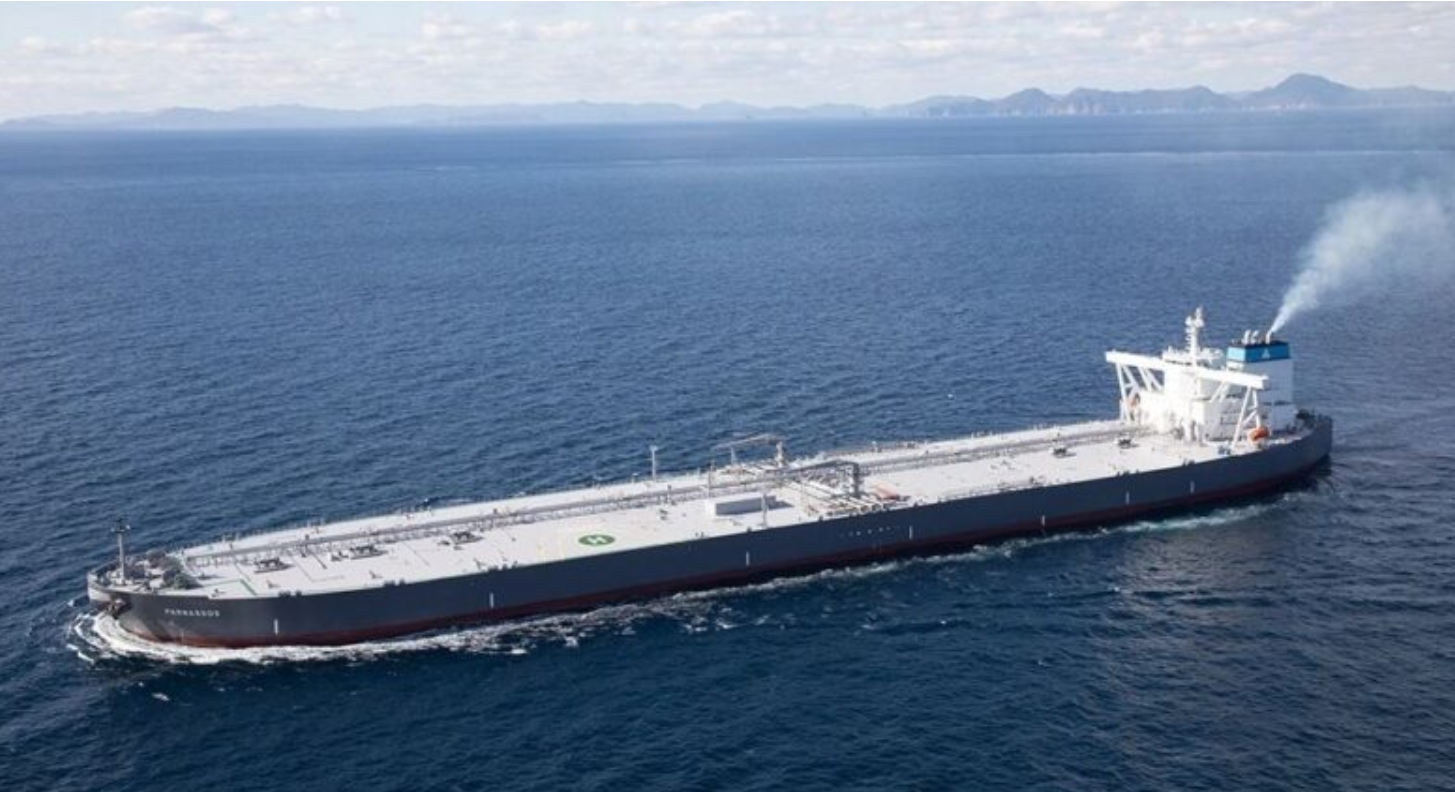
In the 2026 newbuild market, the tanker segment stands out as a primary driver behind the surge in new vessel orders. The heightened demand for new tonnage has led to the emergence of several new entrants among tanker-building shipyards this year.
Commenting on this trend, Rebecca Galanopoulos, a senior content analyst at the maritime valuation firm VesselsValue, noted: “In the current wave of new ordering, the willingness of tanker owners to place orders with relatively new shipyards is driven not only by strong charter rates, but also by the fact that established tanker-building yards have reached full capacity—a key factor prompting owners to adjust their shipbuilding strategies.”
Take, for instance, the Very Large Crude Carriers (VLCCs) that have seen a surge in popularity this year. Driven by growing market demand for new vessels, several shipyards—including Hudong-Zhonghua, CIMC Raffles, Wison Clean Energy, and Wuhu Shipyard—have secured their first-ever VLCC orders, marking their entry into this new market segment.
Specifically, Dynacom has placed an order with Hudong-Zhonghua for twelve 307,000-dwt VLCCs, with construction scheduled to begin in October 2027. Bruton has ordered four 319,000-dwt VLCCs from CIMC Raffles, a project that has already entered the substantive construction phase. United Overseas Group has commissioned six (plus an option for four more) 319,000-dwt VLCCs from Wison Clean Energy, with work already underway at the company’s Nantong base. Meanwhile, Navios Maritime Partners has placed an order with Wuhu Shipyard for four 319,000-dwt VLCCs, with an option for an additional four.
Regarding the speed at which new shipyards are securing orders, Rebecca Galanopoulos points to the industry “dark horse” Hengli Heavy Industries as an example: “In less than four years, Hengli Heavy Industries has rapidly ascended from a newcomer to one of the world’s leading shipbuilders. This case clearly illustrates how quickly new market entrants can capture a significant share of orders, given the current global capacity crunch.”