


Industry source reports indicate that the bankrupt Mangalia shipyard in Romania held its second auction on July 29 with a starting price of €184 million (approximately $213 million), but received no bids. The first auction, held on June 29, also failed to attract any bidders. The shipyard has now laid off over a thousand workers.
Despite a lack of market interest, Mangalia’s creditors have decided to maintain the initial asking price (excluding VAT) of €184 million—a figure €100 million (approximately US$116 million) higher than the shipyard’s liquidation value of around €84 million. The creditors have resolved to hold at least six rounds of auctions for the shipyard; the third round is scheduled for August 28, with the starting price remaining at €184 million.
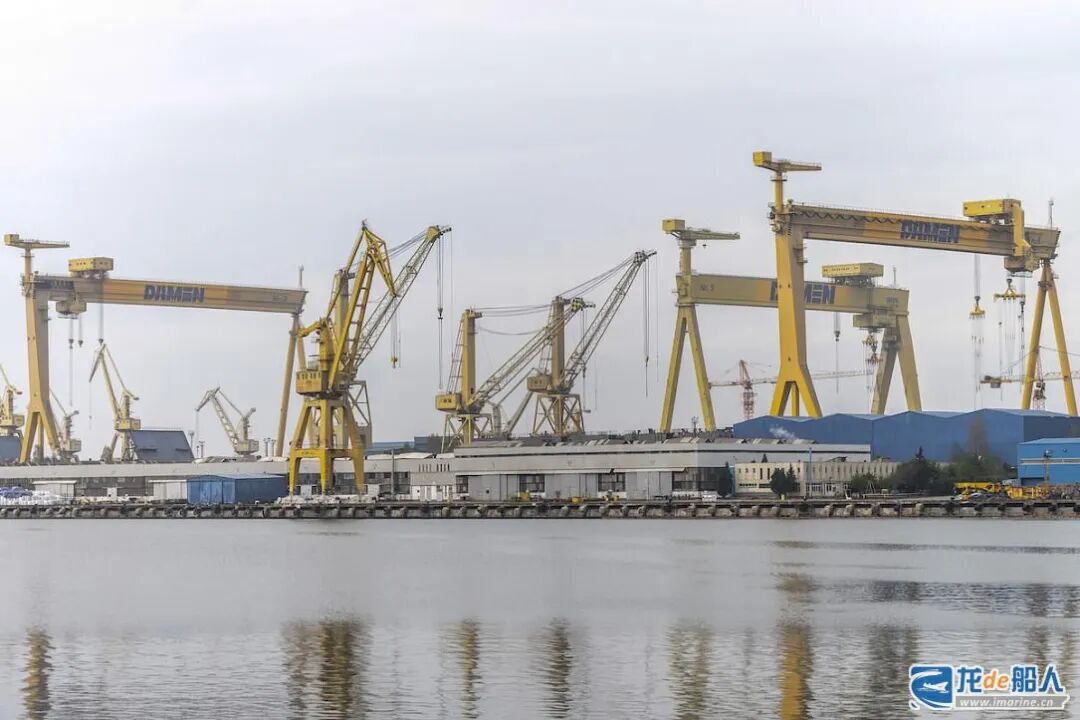
As previously reported, Mangalia faces debt recovery claims totaling approximately 2 billion Romanian lei (roughly US$441 million) from 191 institutions and companies; since its parent company, Damen Shipyards Group, and its subsidiaries are the largest creditors, Damen controls the creditors’ meeting.
This auction is organized by the judicial liquidation agency CITR and involves the sale of the shipyard’s assets in their entirety, comprising the real estate and movable assets necessary to maintain production operations; accounts receivable and equity interests are excluded from the transaction. Operational assets refer to the set of assets required to ensure business continuity, including land, buildings, facilities, equipment, inventory, stock materials, and on-site accommodation facilities.
It is worth noting that, in an effort to save Mangalia, Romania stated it would award defense shipbuilding projects to shipping companies “interested in making long-term investments in the Mangalia shipyard.”
Subsequently, reports emerged that German defense giant Rheinmetall had secured a defense shipbuilding contract worth €920 million from Romania for four vessels, utilizing the EU’s SAFE fund.
Consequently, Rheinmetall had been viewed for months as the potential “savior” of the Mangalia shipyard; however, the company was notably absent from the two previous rounds of auctions. When asked for the reason, a Rheinmetall spokesperson stated: “Please understand that, as a matter of principle, the company does not comment on ongoing business matters.”
Following the conclusion of the first round of auctions, Romania’s Minister of Economy stated bluntly: “The future of Mangalia is effectively in the hands of CITR and Damen Shipyards rather than the Romanian government, as the former holds approximately 97% of the bankruptcy claims.”
Romania’s Minister of Economy has valid grounds for concern, as the sale terms set by Damen Shipyards—the primary creditor—stipulate a starting price of €184 million (more than double the shipyard’s liquidation value) and require that the asset be offered at that same price in at least six consecutive auctions.
Therefore, Romanian authorities stated: “Prospective buyers of the Mangalia shipyard may be waiting for the price to fall back to its true value.”
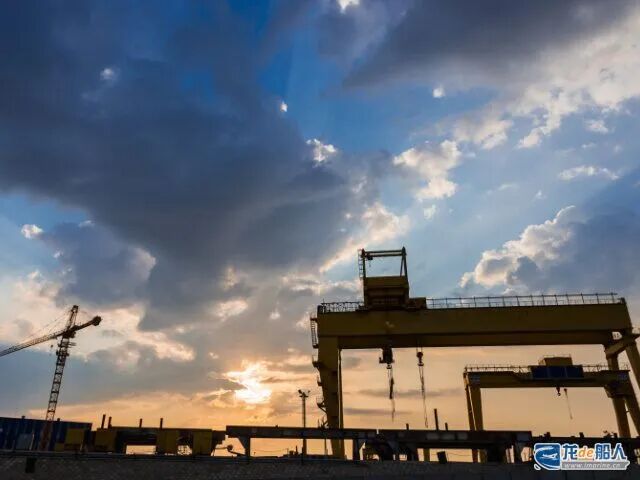
Established in 1976 as the 2 Mai Mangalia Shipyard, the facility is one of Romania’s largest shipbuilding bases, featuring three dry docks.
In 2018, Damen Shipyards became the shipyard’s largest shareholder—holding a 51% stake—through an equity acquisition. To secure management control, Damen transferred a 2% stake to the Romanian state-owned enterprise Santierul Naval 2 Mai at no cost, thereby making the latter the majority shareholder.
In 2023, Damen lost management control of Mangalia due to new Romanian corporate governance laws and announced its withdrawal from the venture. Damen filed for the shipyard’s bankruptcy in May 2024, and bankruptcy proceedings were initiated in June.
Amid the decline of the European shipbuilding industry, this leading Romanian shipyard could not escape the fate of bankruptcy. Prior to this, Mangalia had suffered a prolonged dearth of orders, having secured no commercial shipbuilding contracts since 2020.
The bankruptcy has resulted in the layoff of approximately 1,000 employees. The current sale aims to transfer the shipyard’s operating assets in their entirety, with the hope that the facility can resume operations under new ownership.