


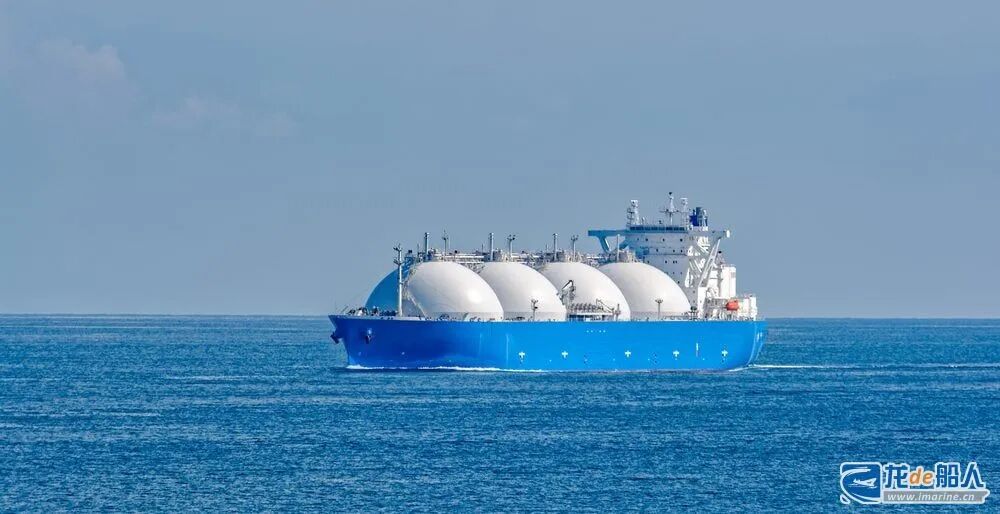
The latest analysis from Wood Mackenzie shows that Europe’s increasingly stringent emissions regulations are beginning to reshape the economics of shipping, leading to growing divergence within the global liquefied natural gas (LNG) carrier fleet.
The report warns that engine technology is becoming a key factor in determining whether LNG carriers remain commercially viable: modern vessels are increasingly favored, while older vessels face rising compliance costs, which could accelerate vessel retirement and fleet transformation.
Wood Mackenzie notes that the global LNG shipping industry is under pressure from multiple environmental regulations, including the EU Emissions Trading System (EU ETS), the EU FuelEU Maritime Act, the International Maritime Organization’s (IMO) proposed net-zero framework, the Carbon Intensity Indicator (CII), and the existing Energy Efficiency Index (EEXI). The combined impact of these regulations has led to significant differences in cost structures across different vessel types.
Itzel Torruco, an LNG freight researcher at Wood Mackenzie, said: “ “The LNG carrier fleet is gradually splitting into two distinct categories: newer LNG carriers equipped with dual-fuel low-speed engines (ME-GI) have lower methane emissions and face significantly reduced compliance costs on European routes; meanwhile, compliance expenses for older steam-turbine and dual-fuel diesel-electric (DFDE) LNG carriers are mounting, increasingly eroding their market competitiveness.”
This shift stems from the European Union’s Emissions Trading System (EU ETS), which concluded its transition period on January 1, 2026, expanding its coverage to 100% of emissions and incorporating methane and nitrous oxide into its regulatory scope. Methane leakage—a long-standing operational challenge for LNG-powered vessels—will now face direct economic penalties under the European regulatory framework.
Wood Mackenzie notes that by 2030, LNG carriers powered by DFDE operating on European routes may face significant compliance costs, making it difficult for such vessels to secure charter contracts in the future. The firm estimates that the combined impact of the EU Emissions Trading System and the EU Maritime Fuel Act could drive the actual cost of ultra-low-sulfur fuel oil to approximately $1,256 per ton by 2030, compared to about $705 per ton under the International Maritime Organization’s proposed framework.
Itzel Torruco noted: “Many shipowners initially invested in DFDE-powered LNG carriers as a compliance solution, but now face a much harsher reality. Moreover, the window for retrofitting and scrapping vessels is narrowing, yet the market has not yet fully reflected this situation.”
Due to the higher fuel consumption and emission levels of steam-powered vessels, this class of LNG carriers has long been considered a priority for scrapping.
However, Wood Mackenzie believes that greater attention should be paid to the mounting pressure on DFDE-powered LNG carriers, many of which were once viewed as low-emission alternatives. The report notes that DFDE-powered LNG carriers are unlikely to be scrapped, and there is a growing preference for converting them into floating storage and regasification units (FSRUs).
The report states that the next key turning point for the LNG shipping industry may come in December 2026, when governments will vote at the IMO’s Marine Environment Protection Committee (MEPC 85) meeting to decide whether to formally adopt the IMO’s net-zero emissions framework.
The framework, which withstood pressure to reopen negotiations at the MEPC 84 meeting earlier this year, now incorporates LNG combined with upstream carbon capture and storage as a potential near-zero-emission pathway. Wood Mackenzie stated that the outcome of the December vote will determine whether the global industry moves toward a more unified compliance system or continues to navigate overlapping regional and international regulations.
Itzel Torruco said, “ “The vote in December 2026 will be the most far-reaching for LNG shipping in the past decade. If the IMO framework is adopted and the EU recognizes it as compliant with the Paris Agreement, the compliance framework that operators have spent two years building will be significantly simplified. If the vote fails, the overlap between the EU Emissions Trading System, the EU Maritime Fuel Act, and the IMO framework will become a permanent feature of the operational landscape.”
Currently, LNG remains the mainstream alternative marine fuel for deep-sea shipping, and shipowners continue to invest heavily in new LNG-powered vessels. Wood Mackenzie believes that LNG will remain the most cost-effective compliant marine fuel at least until the mid-2030s, but its future competitiveness will increasingly depend on ship technology, regulatory developments, and the availability of low-carbon fuels such as bio-LNG.