


Vietnamese media outlet The Investor reports that PetroVietnam Marine Shipyard JSC (PV Shipyard), a subsidiary of PetroVietnam’s national industrial and energy group, has achieved profitability for the second consecutive year after nearly a decade of losses, marking initial progress in its restructuring efforts. However, the shipyard’s historical losses and debts still cast a shadow over its path to recovery.
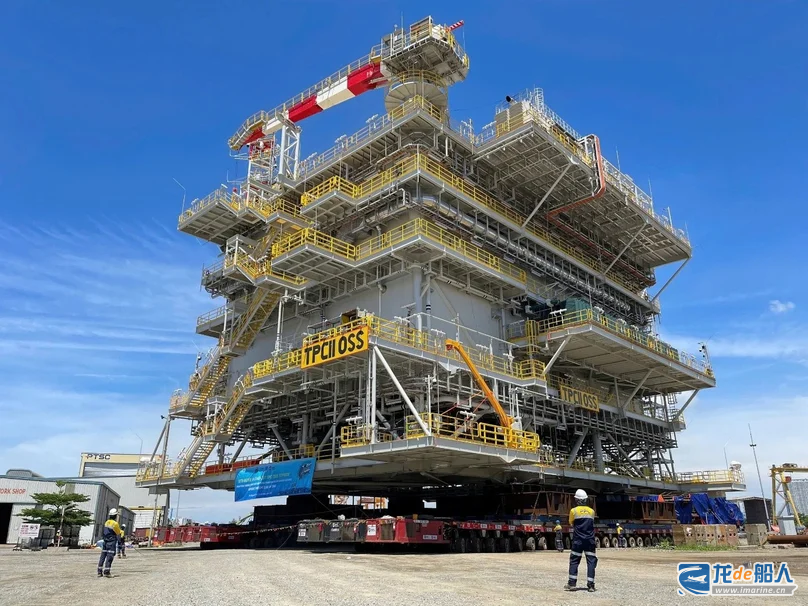
According to PV Shipyard’s Q4 2025 financial report, the shipyard achieved annual revenue of VND 1.29 trillion (approximately USD 49.26 million), a 21.3% increase compared to VND 1.0633 trillion in the same period last year. Pre-tax profit reached VND 8.8 billion (approximately USD 336,000), marking the second consecutive year of profitability after a meager profit of VND 177 million (approximately USD 6,760) in 2024. Previously, the shipyard had suffered losses for eight consecutive years.
Reports indicate that PV Shipyard’s operating profit last year did not come from its core shipbuilding business (nearly VND 5.3 billion), but given the shipyard’s long-standing financial difficulties, this performance still demonstrates a substantial improvement and is seen as an initial success of the shipyard’s restructuring measures.
During the restructuring, PV Shipyard’s board of directors consisted of six members, two of whom were from PetroVietnam Technical Services (PVS), the shipyard’s largest shareholder with a 28.75% stake.
Although PVS does not hold a controlling stake, it played a key role during the restructuring by allocating projects to PV Shipyard, including Transition Piece (TP) and jacket fabrication works, as well as offshore substation works such as Baltica 2 and Fengmiao 1 undertaken for PVS customers.
Analysts at Vietcap Securities predict that Vietnam’s oil and gas exploration and development spending will increase by approximately 60% year-on-year in 2026, primarily driven by continued funding for the Block B gas project, which is expected to bring more business to PV Shipyard through PVS. Strong oil prices are also expected to support upstream activity and improve the prospects for companies related to offshore construction and manufacturing.
Despite industry optimism about PV Shipyard’s strong performance and two consecutive years of profitability, the shipyard continues to face severe financial challenges. By the end of 2025, PV Shipyard had accumulated losses exceeding VND 1.09 trillion (approximately USD 41.62 million), with shareholders’ equity standing at negative VND 493 billion (USD 18.83 million). Its short-term liabilities also surpassed short-term assets, raising market concerns about its ability to continue operations.
Additionally, PV Shipyard is burdened by a long-term entrusted loan of nearly VND 597 billion (approximately USD 22.8 million) managed by PVcomBank, which incurs annual financial expenses exceeding VND 60 billion. This loan severely strains the shipyard’s cash flow, hindering its recovery process.
PV Shipyard has now proposed that its shareholders seek support from PetroVietnam to write off or waive interest and extend the principal repayment period by ten years, thereby alleviating financial pressure and providing investment space for future projects, particularly in the renewable energy sector. The shipyard’s weak financial capabilities have prevented it from obtaining bank financing or performance guarantees, limiting its ability to bid for EPC contracts in Vietnam and forcing it to rely on low-margin subcontracting.
In addition, the shipyard faces other risks: nearly 40 hectares of land leased since 2007 at the Sao Mai-Ben Dinh oil and gas service port may incur over VND 400 billion (approximately USD 15.27 million) in land lease taxes, and uncertainty surrounding the recovery of VND 58.4 billion in bad debts from AMECC Mechanical Construction Joint Stock Company. The report states that these unresolved issues remain major obstacles to the recovery of this nearly 19-year-old shipyard.