

According to public documents obtained by Reuters, international oil giants operating in Brazil have joined forces to oppose the proposed merger between offshore engineering giants Saipem and Subsea 7. On December 5, Brazil’s antitrust regulator (Cade) requested the two companies involved in the proposed merger to provide new relevant data for its investigation.
The Brazilian Petroleum Industry Association (IBP), the industry representative body for international oil giants operating in Brazil, stated in a November filing with CADE that the merged entity would be renamed Saipem7. It argued that the new company’s market position would enable it to raise costs, delay project timelines, and compel certain clients to sign exclusive long-term contracts.
The report stated that the proposed merger between Saipem and Subsea7 has heightened market competition concerns.
In addition to IBP’s submission, French energy giant TotalEnergies has also filed a research report with regulators detailing the merger’s impacts. The report states that no measures can eliminate market concerns regarding Saipem7’s potential monopoly position in the subsea umbilicals, risers, and flowlines (SURF) sector. ExxonMobil had previously raised competition concerns in this same field.
TotalEnergies documents indicate that only 12 vessels globally possess the specialized capabilities required for deepwater or harsh-sea-condition SURF projects, with eight of these originating from the combined Saipem fleet. Additionally, the company has raised concerns about monopolistic risks in potential growth sectors for energy firms, such as facility decommissioning services and offshore wind power.
During the earnings call on November 20, Subsea7 CEO John Evans said the merger is expected to be completed in the second half of 2026, and noted that the review of Cade is “progressing on schedule”.
As early as September this year, ExxonMobil, Petrobras, and rival TechnipFMC had requested Cade to conduct a special analysis, demanding either the blocking of the merger or the implementation of remedies such as asset divestitures to preserve competition in the Brazilian market.
Public documents also reveal that in addition to receiving input from IBP, major oil companies, and oilfield service providers, Cade officials held meetings with regulatory authorities from the United States, Mozambique, the United Kingdom, and other countries. The UK has recently approved this merger.
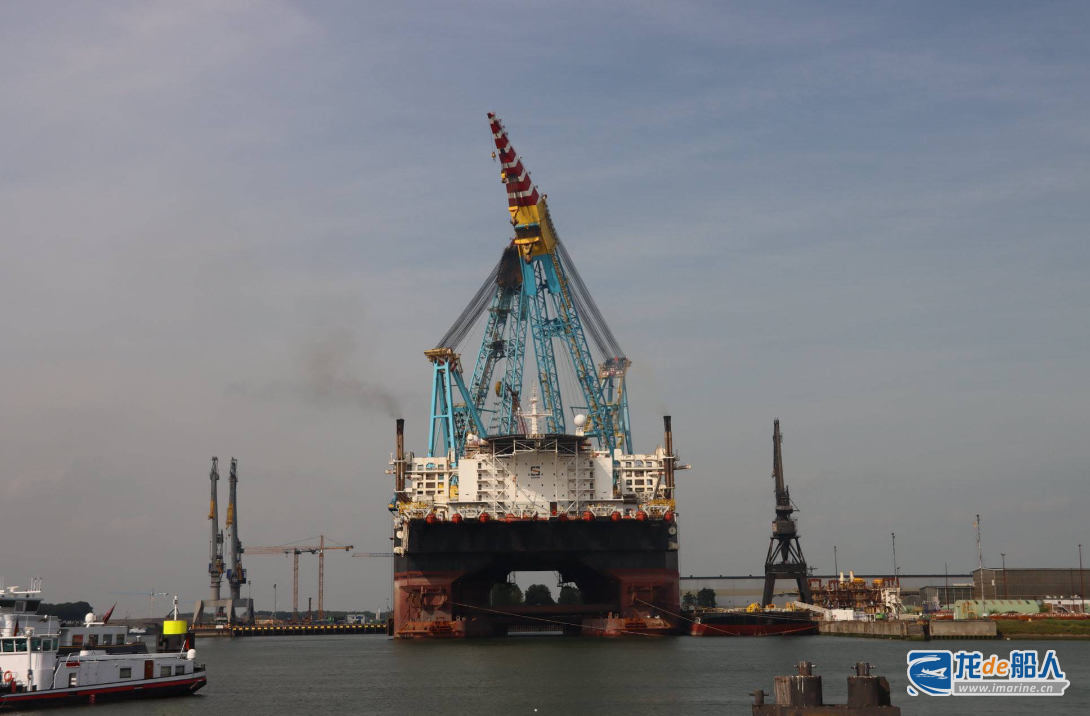
As leading companies in the offshore engineering sector, Saipem and Subsea7 operate globally. In July this year, Saipem and Subsea7 announced the signing of a binding merger agreement, with plans to complete the merger in the second half of 2026. Upon completion, the combined group will have an order backlog of €43 billion, revenue of around €21 billion, and core profits exceeding €2 billion.
The combined offshore giant will employ approximately 44,000 people, including over 9,000 engineers and project managers, and operate a diversified fleet of more than 60 vessels. With operations spanning over 60 countries worldwide, the company will deliver a comprehensive portfolio of offshore and onshore services—from drilling, engineering, and construction to full-lifecycle field services and decommissioning—across all water depths, from shallow to ultra-deepwater environments.