


The application of hydrogen energy in the transportation sector is constantly expanding—from cars and buses to tractors, and now even extending to the shipbuilding sector.
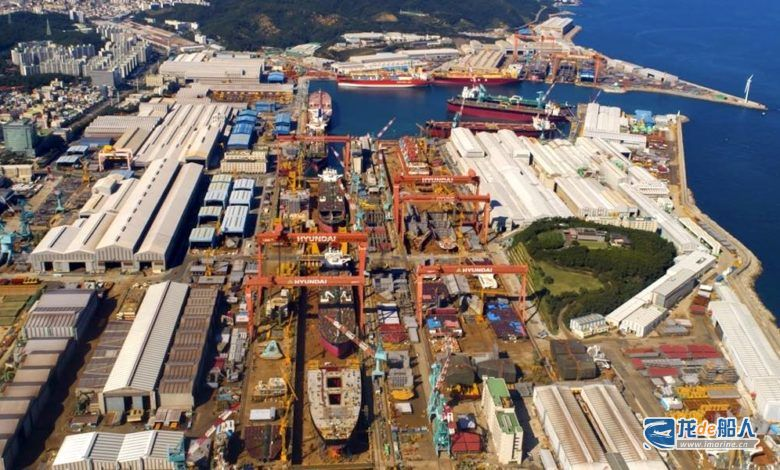
Recently, HD Korea Shipbuilding & Offshore Engineering (HD KSOE), the intermediate holding company for HD Hyundai Group’s shipbuilding business, and Pusan National University signed a multilateral memorandum of understanding (MOU) to jointly develop hydrogen fuel cell systems for commercial vessels. This marks a significant cross-industry breakthrough as automotive hydrogen energy technology expands into the maritime sector.
Under the agreement, the partners will develop a dedicated hydrogen fuel cell and hybrid propulsion system for vessels, integrating hydrogen-diesel hybrid engines with fuel cell technology. This technology is based on Hyundai Motor’s fuel cell platform, which has already been mass-produced and applied in vehicles.
Hydrogen-blended diesel engines, by mixing hydrogen with conventional diesel fuel during combustion, are expected to reduce harmful emissions and improve efficiency, outperforming conventional marine engines. The integrated system will be designed by HD KSOE, with Hyundai Motor providing the marine-optimized fuel cell, and Busan National University conducting testing, evaluation, and demonstration work through its Hydrogen Ship Technology Center.
The three partners have set their technological application goals on eco-friendly vessels such as liquefied hydrogen carriers. Hyundai Motor plans to advance R&D following the completion of the maritime demonstration phase, and will subsequently collaborate with HD KSOE to achieve broader commercial deployment.
It is worth noting that Hyundai Motor is not the only automaker attempting to maximize the benefits of fuel cell technology by entering the shipping sector. Japanese automotive giant Toyota has also developed fuel cell systems suitable for maritime applications.