


HD Hyundai is pursuing a differentiation strategy, under which its domestic shipyards in South Korea focus on building high-value-added vessels, while outsourcing the construction of ordinary commercial vessels—such as bulk carriers and oil tankers, where price competition is intense—to overseas shipyards, thereby competing with Chinese shipyards by keeping costs low. Currently, the company is accelerating its expansion into India’s shipbuilding industry and plans to establish India as its third-largest overseas shipbuilding production base, following Vietnam and the Philippines.
At the same time, the Indian government is vigorously promoting fleet expansion and the development of its domestic shipbuilding industry. By consolidating vessel demand from the public sector and implementing policies such as providing subsidies and upgrading shipyard infrastructure, the government ensures that these orders are fulfilled by domestic shipyards. This creates a favorable environment for HD Hyundai to establish a presence in India.
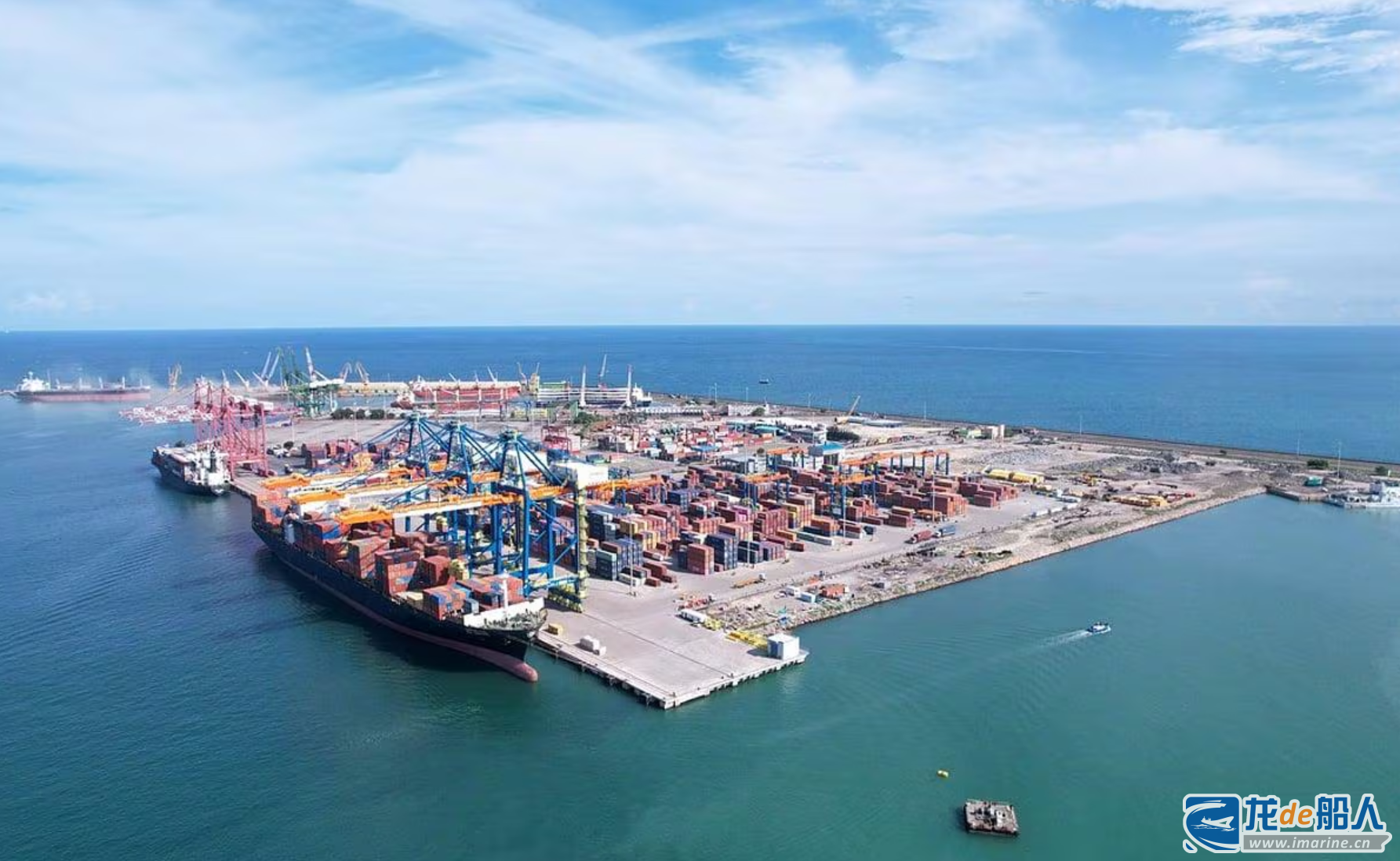
HD Hyundai Invests in an Indian Shipyard
According to earlier reports, HD Hyundai signed a Memorandum of Understanding (MoU) with NSHIP TN and Sagarmala Development Company Limited (SMFCL) in New Delhi this past April. Under the agreement, HD Korea Shipbuilding & Offshore Engineering (KSOE) will construct a new shipyard in Thoothukudi with an annual shipbuilding capacity of 2.5 million gross tons (GT). The total investment for the Thoothukudi shipyard project is set to reach $4 billion, with an additional investment of approximately $400 million allocated for infrastructure such as breakwaters and dredging.
Prior to the shipyard commencing operations, initial vessel orders are still being built in South Korea; HD Hyundai will train the shipyard’s employees—first imparting production and operational expertise—before deploying them to the Tuticorin shipyard to facilitate a gradual transition to the Indian production system.
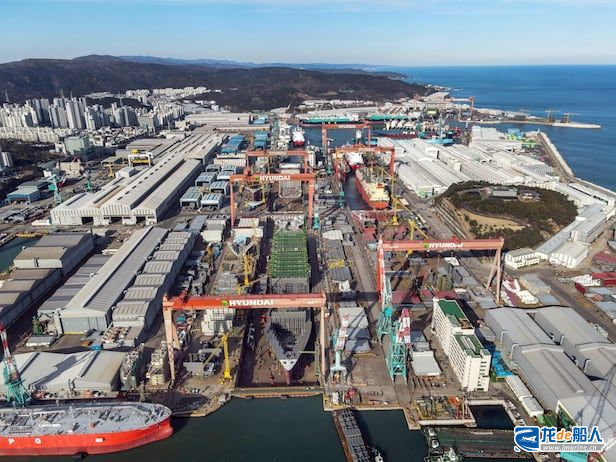
India’s Public Sector Alone Has a Demand for 437 Vessels
According to data from the Directorate General of Maritime Affairs (DGMA), the Indian government has identified a total demand of 437 vessels for the public sector. Tenders for 62 of these vessels will begin in March 2027, with a projected total investment of 2.2 trillion rupees (approximately $22.968 billion). The 437 vessels break down as follows: 267 bulk carriers, oil tankers, and container ships to be acquired by the state-owned shipping company SCI by 2047; 59 vessels for state-owned oil and gas companies; 100 environmentally friendly tugs for major ports; and 11 dredgers for state-owned dredging enterprises.
India is significantly expanding its fleet because, while the country’s trade volume continues to grow, it faces a severe shortage of its own vessels, resulting in massive freight costs flowing overseas. By 2025, cargo carried by Indian-flagged vessels will account for only 6.08 percent of the total, and India will pay approximately $75 billion annually in freight charges to foreign shipping companies—an amount approaching India’s annual defense budget.
The Indian government also aims to boost the domestic shipbuilding industry while expanding its local fleet. Industry analysis suggests that while India benefits from low labor costs, its productivity is correspondingly low. According to data from SK Securities, the hourly wage for shipyard workers in India is only $3 to $4—lower than in China. However, in terms of Compensated Gross Tonnage (CGT), the labor cost per CGT stands at $620, which is more than double that of China ($300).
To address shortcomings in production efficiency, the Indian government provides subsidies ranging from 15% to 25% of the vessel price for domestically built ships and invests in upgrading shipyard infrastructure to attract overseas shipbuilding enterprises. Meanwhile, state governments—such as those of Andhra Pradesh and Gujarat—have begun developing large-scale shipbuilding industrial clusters, engaging in fierce competition to secure production technologies and operational expertise.
Currently, in addition to HD Hyundai, Samsung Heavy Industries has also partnered with the Indian private shipbuilder Swan Defense to advance local operations such as ship design, procurement, and production management.
Industry insiders note that HD Hyundai cannot secure all 437 ship orders in India; therefore, the key to whether South Korean shipbuilders can establish a foothold in India lies in their ability to effectively improve the country’s relatively low production efficiency.