

Japan has launched a five-year subsidy program worth 15.1 billion yen ($95 million) aimed at accelerating orders for ships powered by hydrogen, ammonia, methanol, and batteries.
Launched jointly by Japan’s Ministry of Land, Infrastructure, Transport and Tourism, the program provides subsidies of up to 50 percent of the cost of equipment for hydrogen, ammonia, and battery-powered vessels, and up to one-third of the cost for methanol and hybrid-powered vessels.
The subsidy covers engines, fuel tanks, fuel supply systems, propulsion batteries, and shore power equipment, among other items. It applies only to new equipment installed on newly built vessels and does not cover the entire cost of ship construction.
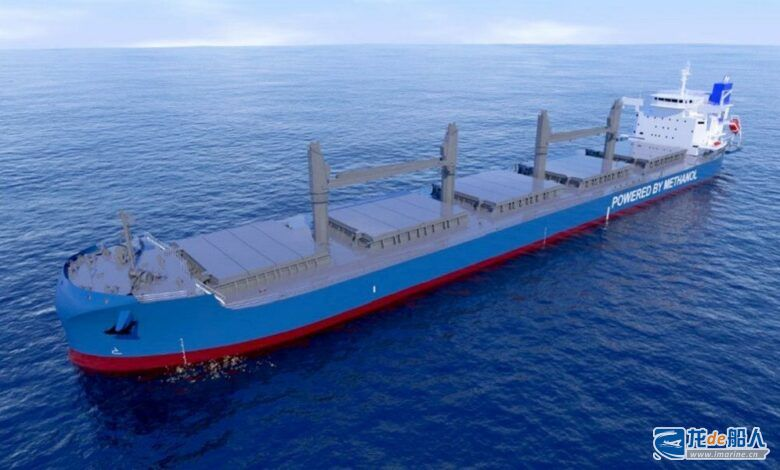
For international trade vessels, the subsidy is limited to hydrogen- and ammonia-powered vessels; for vessels operating on domestic Japanese routes, methanol-powered, all-electric battery-powered, and hybrid vessels are all eligible to apply for the subsidy.
According to information released by Japan, the program has an initial budget of 1.2 billion yen and will run through January 2031. The deadline for the first round of applications is December 3, 2026.
In addition, the Japanese government is providing support for the use of low-emission steel in new shipbuilding.
Currently, Japan has been increasing government support for alternative marine propulsion technologies. Projects supported by the Japanese government include onshore testing of hydrogen-powered marine engines and the research and development of a 40,000-cubic-meter liquefied hydrogen carrier, which is scheduled to begin demonstration operations by 2030.