


AET Tankers, the tanker shipping subsidiary of Malaysia International Shipping Corporation (MISC), is expanding its order book and has reportedly placed an order for several new dual-fuel vessels with a private Chinese shipbuilder as part of its fleet renewal and rebuilding program.
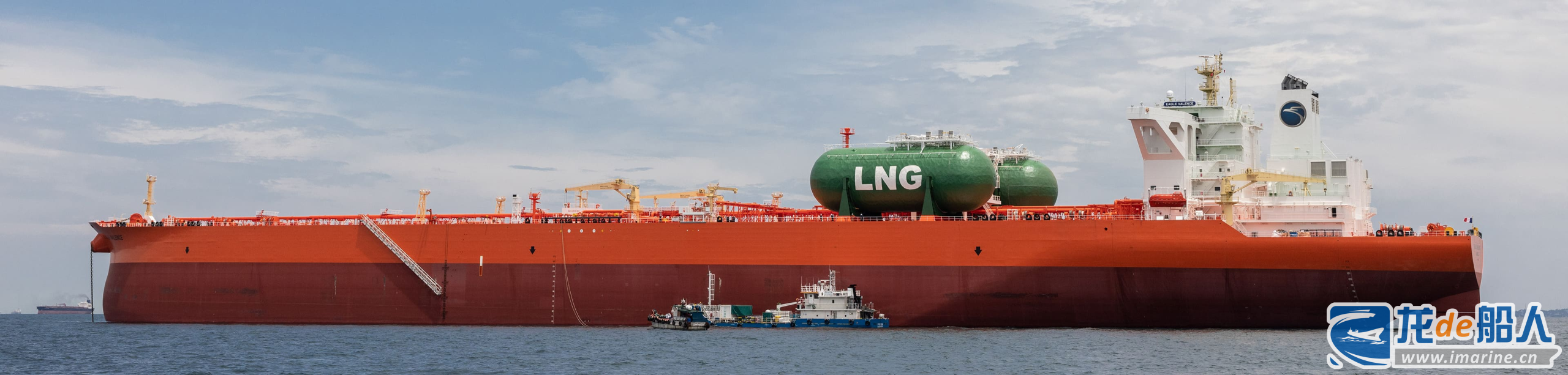
According to TradeWinds, AET Tankers has signed a contract with Hengli Heavy Industries for the construction of a fleet of VLCCs. The new vessels will feature an LNG dual-fuel design, with a total construction cost exceeding $500 million.
The specific order size and cost per vessel have not yet been disclosed, but sources and shipbrokers indicate that the fleet may consist of 4 to 6 vessels, with an estimated cost of approximately $138 million per vessel. Shipbrokers note that Hengli Heavy Industries typically builds conventional-fuel VLCCs for approximately $119 million; converting to an LNG dual-fuel configuration would increase construction costs by about $19 million.
Regarding industry rumors about the LNG dual-fuel VLCC order, a spokesperson for AET Tankers stated that the company does not comment on market rumors and will release official announcements through formal channels once concrete information becomes available.
According to its official website, AET Tankers is a tanker shipping company under Malaysia’s MISC Group. Established in 1994, it has over 30 years of operational history and primarily serves global energy companies, refineries, and oil traders, committed to meeting the world’s evolving energy transportation needs. Excluding the order from Hengli Heavy Industry, AET Tankers currently operates a fleet of 16 dual-fuel tankers, comprising 11 in-service vessels and 5 newbuilds.
According to Shanghai Imarine Tech’s order database, the five newbuilds will be constructed by shipyards in China and South Korea—specifically, three by Dalian Shipbuilding and two by Samsung Heavy Industries. The orders were placed between 2024 and 2026, with deliveries scheduled to begin in the second half of 2027.
In April 2024, Dalian Shipbuilding signed a contract with AET Tankers for two liquid ammonia dual-fuel Aframax tankers, marking the first collaboration between the MISC Group and China State Shipbuilding Corporation. This represents the world’s first order for liquid ammonia-fueled tankers and is another landmark vessel type for Dalian Shipbuilding, following the world’s first LNG dual-fuel VLCC and the world’s first methanol dual-fuel VLCC. In early 2026, AET Tankers once again selected Dalian Shipbuilding to jointly build the world’s first hybrid-powered Suezmax shuttle tanker.
An order for two LNG-dual-fuel Suezmax tankers from Samsung Heavy Industries was announced in November 2025, with delivery expected in 2029. This order marks AET Tankers’ achievement of dual-fuel coverage across all tanker types, including Aframax tankers, shuttle tankers, Suezmax tankers, and VLCCs.
AET Tankers is currently moving forward with a fleet renewal program aimed at building an energy-efficient and environmentally friendly fleet. Between the third quarter of 2025 and February 2026, the company sold four conventional-fuel VLCCs: the 300,200 DWT “Bunga Kasturi Lima,” built in 2007; the 298,500 DWT “Bunga Kasturi Enam” built in 2008, and the 311,900 DWT “Eagle Vancouver” and “Eagle Varna” built in 2013.
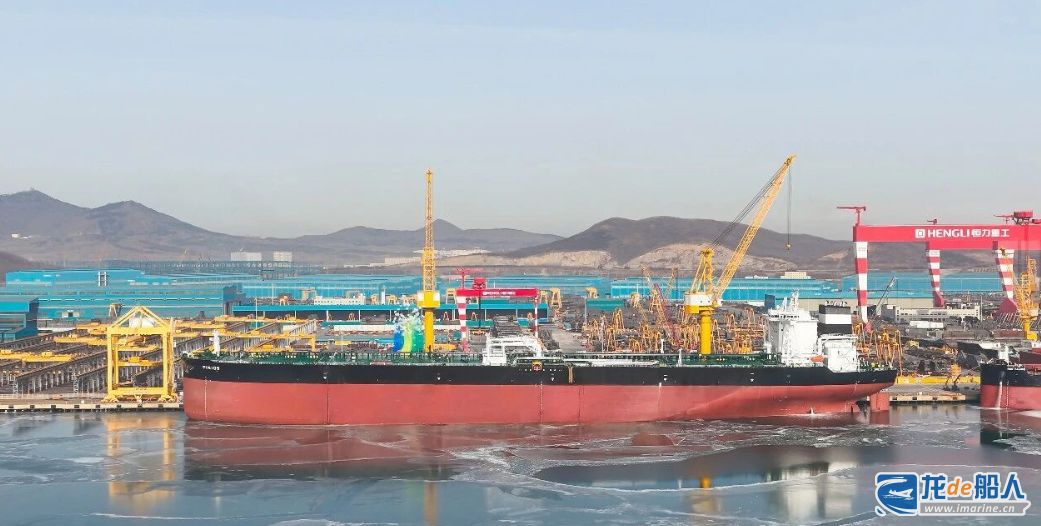 For Hengli Heavy Industries, VLCCs have been the shipyard’s primary order type this year. According to data released in early April, Hengli Heavy Industry secured orders for 108 new vessels in the first quarter of 2026, with 76 of them coming from the tanker segment, accounting for as much as 70%. Breaking down the tanker orders further, they include 54 VLCCs, 18 Suezmax tankers, and 4 LRII product tankers. VLCC orders accounted for 50% of the total orders in the first quarter and 71% of the total tanker orders.
Amid this surge in orders, Hengli Heavy Industry is actively expanding its production capacity. Its listed entity, *ST Songfa, has had its fundraising plan for three major shipbuilding capacity expansion projects accepted by the Shanghai Stock Exchange (SSE). The commissioning of these projects will help Hengli Heavy Industry improve overall construction efficiency, shorten shipbuilding cycles, and enhance delivery capacity and efficiency, thereby consolidating its core competitive advantages and market position in the shipbuilding industry.
As a shipyard that has been in full operation for only three years, Hengli Heavy Industry’s rapid growth makes it a dark horse in the global newbuild market that cannot be overlooked. With 17 vessels scheduled for delivery in 2025—a significant increase from the four delivered in 2024—it is currently China’s second-largest builder of bulk carriers and oil tankers.
According to BRS Shipbrokers, based on deadweight tonnage of the order book, in 2025, Hengli Heavy Industries ranked second globally with 272 vessels and 41.6 million DWT in its order book. Its order book accounts for 12.5% of the total orders held by Chinese shipbuilders and 8.8% of the global total, with orders currently booked through 2030.