


Hong Kong-based shipowner Teying Shipping is aggressively expanding its fleet and has placed orders for up to eight LR2 product/crude oil tankers with two Chinese shipyards. Earlier this year, the company sold a Very Large Crude Carrier (VLCC), netting a profit of over $10 million.
Market sources revealed that Teying Shipping has placed orders for 2+2 115,000 DWT LR2 product/crude oil tankers with Lianyungang Wuzhou Shipbuilding Heavy Industry Co., Ltd. and Lianyungang Helitong Shipbuilding Heavy Industry Co., Ltd., respectively, totaling 4+4 vessels, with deliveries expected to begin in 2028.
Neither Teying Shipping nor the two shipbuilders have disclosed financial details of the orders, but shipbrokers estimate the construction cost per vessel at approximately $68 million. Based on this calculation, if all option vessels are exercised, the total construction cost for the eight newbuilds would be approximately $544 million (equivalent to approximately 3.7 billion RMB).
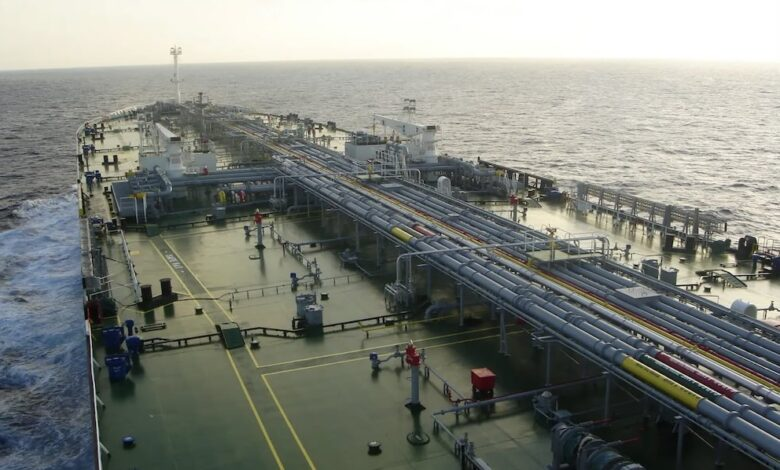
Hong Kong-based shipowner Teying Shipping is aggressively expanding its fleet and has placed orders for up to eight LR2 product/crude oil tankers with two Chinese shipyards. Earlier this year, the company sold a Very Large Crude Carrier (VLCC), netting a profit of over $10 million.
In early 2026, Teying Shipping announced the sale of the 297,200 DWT VLCC “Asian Lion” to a Greek shipowner for approximately $60 million. Built in 2009, the vessel is now 17 years old. Teying Shipping acquired it in 2025 as a secondhand vessel for approximately $49 million. This sale means the shipowner has made a profit of about $11 million (approximately 74.59 million RMB) by reselling the vessel in less than a year.
As a shipowner primarily focused on speculative tanker investments, this new ship order marks a significant shift in Teying Shipping’s development strategy. With the first shipbuilding project now underway, the company’s fleet is set to expand significantly.
It is worth noting that for this shipbuilding initiative, Teying Shipping did not opt for leading shipbuilders but instead selected two relatively smaller shipyards located in Lianyungang, Jiangsu Province.
Records indicate that Lianyungang Wuzhou Shipbuilding Heavy Industry was established in 2007 and is located in Lianyungang, Jiangsu Province. It occupies a total area of 880,000 square meters and boasts a 1.1-kilometer coastline. The facility is equipped with multiple slipways of various tonnages, a 10,000-ton outfitting wharf, a 20,800-square-meter painting shop, and 48,000 square meters of shipbuilding facilities, including hull, engine, electrical workshops, among other shipbuilding facilities. The yard primarily builds small and medium-sized oil tankers and bulk carriers.
Wuzhou Shipbuilding Heavy Industry first disclosed the construction of an LR2 product/crude oil tanker in 2024, marking the shipbuilder’s first project for a vessel exceeding 100,000 deadweight tons. The main engine equipment is supplied by Yu Chai Marine Power Co., LTD. (YMP).
Lianyungang Helitong Shipbuilding Heavy Industry was established in 2007 and is located in Lianyungang, Jiangsu Province. It occupies a total area of 680,000 square meters and has a coastline of 560 meters. The recent contract to build up to four LR2 product/crude oil tankers for Teying Shipping will set a new order record for the shipyard, as its currently available order and delivery records primarily consist of small and medium-sized bulk carriers and multipurpose vessels.
It is understood that Helitong Shipbuilding Heavy Industry is currently advancing its expansion and renovation projects (Phase II), which include the development of smart workshops and upgrades to shipbuilding slipways. The project underwent an environmental impact assessment public notice in April 2022. Key construction components include shipbuilding slipways, dry docks, shipyard basins, integrated manufacturing workshops, machining workshops, and sandblasting and painting workshops. Upon completion, the project will establish an annual production capacity of 190,000 metric tons for new shipbuilding and the ability to repair 60 vessels per year.