


The offshore support vessel (OSV) market has exhibited a development trend drastically different from the cycles of the 2000s and 2010s. The order book for platform supply vessels (PSVs) and anchored handling tug supplys (AHTSs) is only 4% of the active fleet, a record low in recent years.
Twenty years ago, when oil prices reached $100 per barrel and exploration and development budgets surged, OSV owners placed massive orders. By early 2008, the order book for PSVs and AHTSs under construction peaked at over 900 vessels, equivalent to more than one-third of the operational fleet.
During the market recovery following the 2008 financial crisis, OSV owners again aggressively ordered new vessels, and by 2017, the global OSV fleet had grown to nearly 5,000 vessels. As a result, these two waves of orders led to a severe oversupply in the offshore vessel market, with the entire 2010s spent absorbing excess capacity.
Currently, with Brent crude oil prices exceeding $100 per barrel and the offshore oil and gas market continuing its recovery, orders for oOSVs account for only 4% of the existing fleet, far lower than the 34% and 15% in the previous two market recovery cycles.
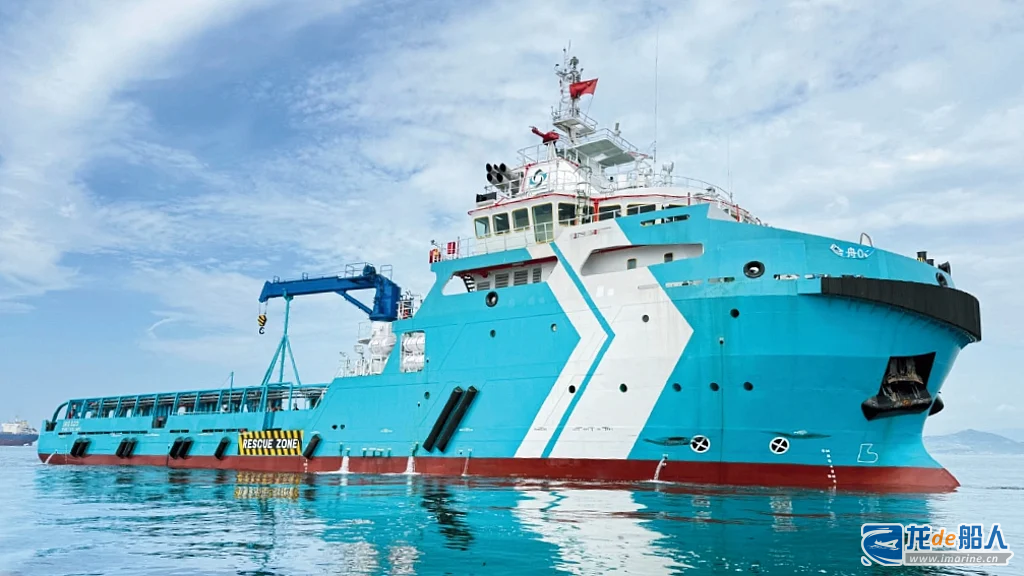
Data from maritime data and cargo management platform Veson Nautical shows that there are currently 179 OSVs under construction globally, mainly PSVs and AHTSs being built by Chinese shipyards, as well as a small number of customized PSVs for Petrobras. Furthermore, there are currently no orders for high-specification AHTSs exceeding 12,000 horsepower globally. Veson Nautical analysts suggest that upcoming deliveries of offshore engineering vessels will not change the supply landscape of the high-end fleet.
This situation indicates that offshore engineering vessel owners are maximizing the remaining service life of their existing fleets, a stark contrast to the aggressive shipbuilding strategies of the previous two market recovery cycles.
In the shipbreaking market, the scrapping volume of offshore vessels peaked at 130 vessels in 2018 and has now essentially stagnated. Veson Nautical data shows that only three OSVs have been scrapped so far in 2026, while many vessels originally slated for retirement after 20 years of service are currently undergoing maintenance and repairs in shipyards to extend their lifespan. Currently, the average age of PSVs and AHTSs is over 20 years, and fleet utilization rates are high.
Veson Nautical points out: “Having experienced two rounds of ‘ordering during price surges and then witnessing price collapses,’ shipowners are making a drastically different choice during this recovery period: rather than ordering new vessels, they are focusing on making their existing fleets operate more efficiently and for longer.”
With increased exploration and production budgets, and competition from Brazil, Australia, and the North Sea for increasingly scarce high-quality PSVs and high-specification AHTSs, daily charter rates and asset values for offshore vessels have reached multi-year highs.
The economic logic for offshore shipowners to order new ships has reversed, and the reason is obvious: in the previous cycle, shipowners who placed excessive orders for ships suffered heavy losses, and now few shipowners are willing to place orders rashly.
However, Veson Nautical analysts believe this cycle may be unfavorable to shipowners with too few orders. Given shipyards’ long delivery cycles of 3 to 4 years, new orders placed now may arrive during the most strained supply and demand situation in the offshore engineering market. Meanwhile, modern, high-specification offshore vessels will be flexibly deployed in offshore wind power and subsea engineering operations after 2030.