


Thenamaris, the Greek shipowner controlled by Nikolas Martinos, has officially entered the newbuilding market for Very Large Ammonia Carriers (VLACs) by signing shipbuilding contracts with a Chinese shipyard, aiming to further expand its gas transportation business.
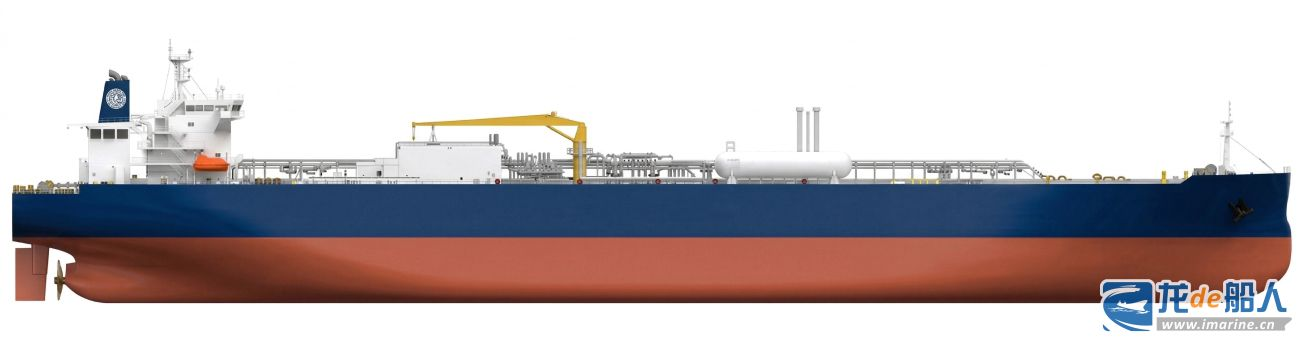
Fleet data from Thenamaris indicates that the company has placed an order with Jiangnan Shipyard—a subsidiary of China State Shipbuilding Corporation (CSSC)—for two 90,000 m³, dual-fuel LPG-powered VLACs, with delivery expected in 2029. The new vessels will be equipped with shaft generators, two fully pressurized deck tanks, and Dual-fuel Everllence (MAN) 6G60ME-C10/5-LGIP-HPSCR main engines.
In 2026, Jiangnan Shipyard was particularly active in securing VLAC orders. In addition to two new vessels for Thenamaris, the shipbuilder has secured orders for two 90,000 m³ VLACs each from Singapore-based East Pacific Shipping and Tianjin Southwest Shipping. Based on the unit construction cost for East Pacific Shipping’s vessels, the total value of the six new buildings is approximately $600 million.
With the latest orders, Jiangnan Shipyard has secured contracts for 24 new vessels across three types in 2026, including 12 18,000 TEU LNG dual-fuel container ships, 6 90,000 m³-class VLACs, and 6 LNG carriers. The total construction cost for the 12 large dual-fuel container ships is 16.788 billion yuan (approximately $2.458 billion), with delivery expected between 2028 and 2029.
According to its official website, Thenamaris was founded in 1972 and currently operates a diversified fleet covering tankers, bulk carriers, container ships, and gas carriers, totaling approximately 90 vessels.
In 2011, the company expanded its business into the gas carrier sector by establishing Thenamaris LNG. Its first LNG carrier and LPG carrier were added to the fleet and entered service in 2013 and 2017, respectively. In 2022, Thenamaris ConBulk was established to manage the container and bulk carrier businesses separately; prior to this, these operations had been managed jointly with the company’s tanker fleet.
In 2011, the shipowner expanded its business into the gas transportation sector by establishing Thenamaris LNG; its first LNG carrier and LPG carrier entered service in 2013 and 2017, respectively. In 2022, Thenamaris ConBulk was established to manage container and bulk carrier operations; prior to this, these operations had been managed jointly by Thenamaris and its tanker fleet.
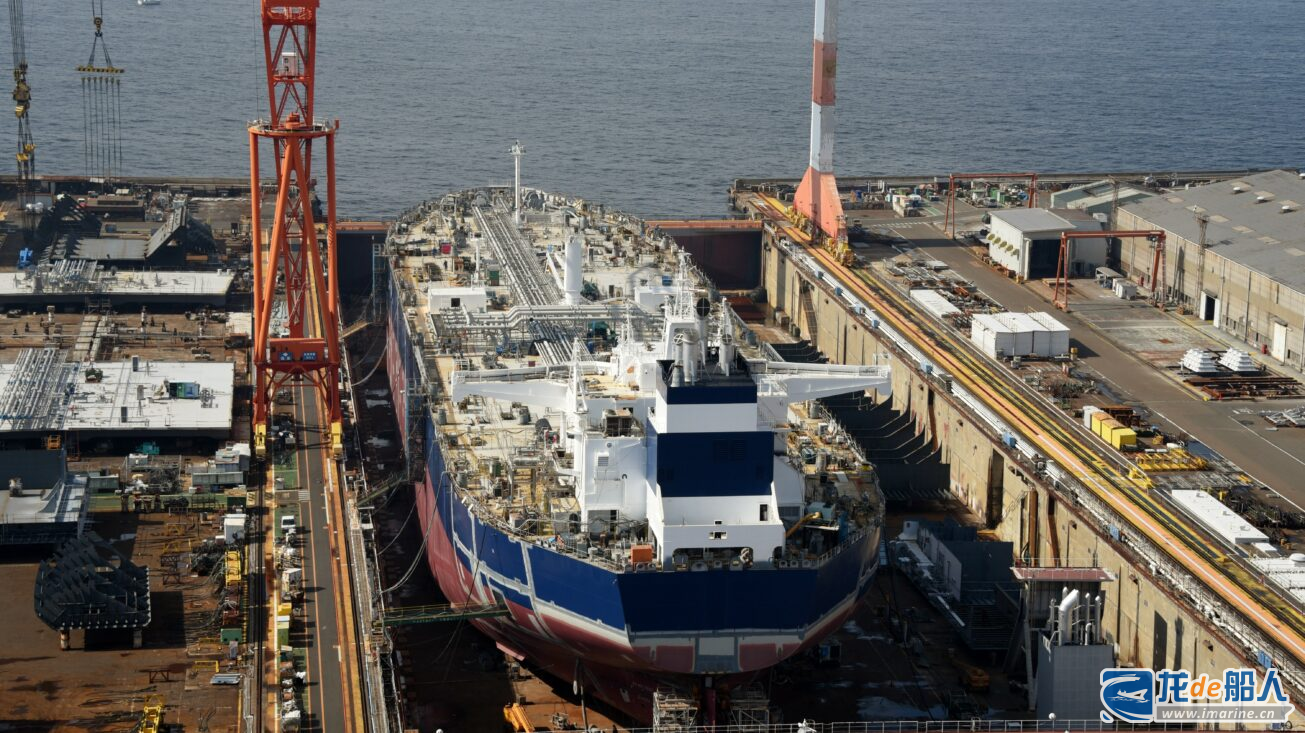
In addition to the two VLACs being built by Jiangnan Shipyard, Thenamaris also has two 158,000 DWT Suezmax tankers under construction at Waigaoqiao Shipbuilding, a subsidiary of CSSC. These vessels are scheduled for delivery in the fourth quarter of 2027. The newbuilds comply with the latest industry standards and are equipped with scrubbers and various energy-saving technologies to ensure optimal operational performance.
In the Suezmax tanker sector, Thenamaris has also been highly active in the secondhand market. The shipowner has become the registered owner of the Seajewel (formerly Stena Sunshine), a 159,000 DWT Suezmax tanker built in 2013. The vessel was previously listed for sale in November 2025 at a price between $57.5 million and $58.5 million, though no deal was concluded at that time. In March 2026, shipbrokers reported that Stena Bulk had sold the vessel to a Greek shipowner for approximately $62.5 million.
With the addition of the Seajewel to its fleet records, Thenamaris has officially concluded the acquisition of its third Suezmax tanker in recent months. The shipowner had previously purchased the 2022-built Seavoyager and Searacer (formerly named Emeraldway and Sunriseway, respectively), with the reported sale price for each vessel standing at approximately $88 million.
In addition to purchasing vessels, Thenamaris is also selling older vessels as part of its fleet renewal strategy.
According to data from the official website, Thenamaris currently operates a tanker fleet of 52 vessels, including Very Large Crude Carriers (VLCCs), Suezmax tankers, Aframax tankers, and MR2 product tankers, transporting various liquid cargoes across major commercial shipping routes worldwide; The gas carrier fleet consists of 13 vessels, including 6 LPG carriers and 7 LNG carriers; the bulk carrier fleet consists of 23 vessels, ranging in size from Ultramax to Newcastlemax, transporting various cargoes worldwide; and the container ship fleet consists of 2 vessels, both of which are modern designs.