


On March 13, the Korea Customs Service announced that it would expand the scope of off-site work permits, authorizing the performance of maintenance, repair, and overhaul (MRO) for U.S. Navy vessels—as well as shipbuilding operations—at general terminals located outside of bonded factories.
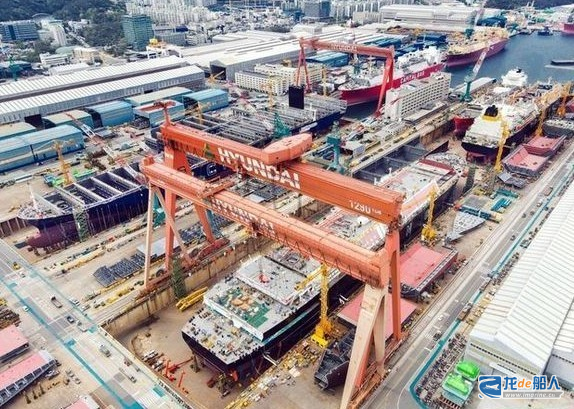
The Korea Customs Service stated that the support measures introduced for initiatives such as the U.S. Navy vessel MRO program are designed to address the shortage of shipbuilding facilities facing the Korean shipbuilding industry—a result of the surge in vessel orders—and thereby enhance the industry’s export competitiveness.
According to reports, bonded factories are designated zones where foreign raw materials may be processed and manufactured without the payment of customs duties; currently, over 95% of the export value of South Korea’s major high-tech industries relies on such facilities. Under the new measures, the Korea Customs Service will extend customs duty deferral benefits—equivalent to those granted to bonded factories—to operations conducted at general cargo terminals.
Meanwhile, the Korea Customs Service plans to expand the scope of authorized locations to permit the storage of large-scale raw materials—such as steel plates—at sites outside of bonded factories, while also streamlining the procedures for the inbound and outbound movement and inventory management of raw materials, thereby facilitating autonomous management by enterprises.
Prior to the announcement of the latest incentives for the shipbuilding industry, the head of the Korea Customs Service visited the shipbuilding export site at HD Hyundai Heavy Industries’ Ulsan shipyard and held a meeting with company representatives.
An official from the Korea Customs Service stated: “We will actively support the shipbuilding industry in expanding its global market share in high-value-added vessel segments—such as LNG carriers and ultra-large container ships—while simultaneously enhancing its competitiveness within the defense industry.”