


On October 16, Nanjing Tanker Corporation (NJTC) issued an announcement regarding the results of the bid for the construction of four new LR2 product and crude oil tankers. The announcement stated that Dalian Shipbuilding Industry Corporation (DSIC) was awarded the contract.
According to the bidding documents, the project involves the construction of four LR2 oil tankers that will comply with the International Maritime Organization’s Tier III emissions standards and meet the requirements of Phase III of the IMO Energy Efficiency Design Index (EEDI).
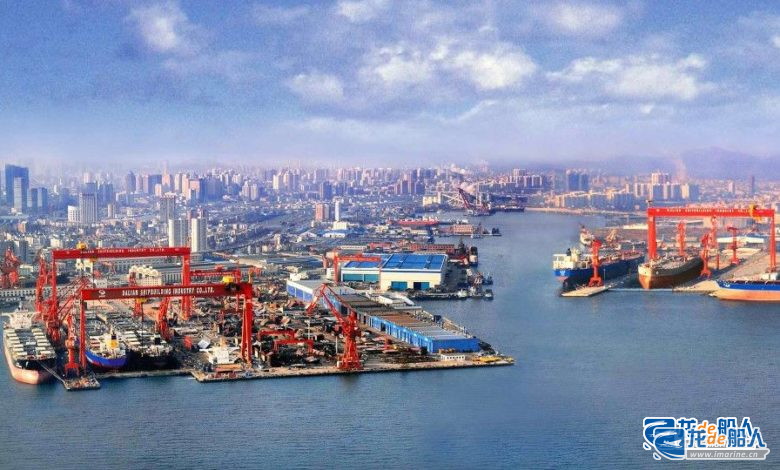
Based on publicly available information, including the four vessels recently awarded, NJTC has ordered multiple new vessels from DSIC since 2025. In August 2025, NJTC signed a contract with DSIC for the construction of two 115,000 DWT refined oil/crude oil tankers, scheduled for delivery in October 2028. This order marked NJTC’s official entry into this tanker market segment. In September, NJTC announced it had placed an order with DSIC for two 65,000 DWT PANAMAX tankers, scheduled for delivery in the second half of 2028.
In 2024, NJTC launched a fleet renewal program and has since placed orders for more than 20 new vessels with several domestic shipyards. So far this year, NJTC’s orders have also included three 6,600 DWT stainless steel chemical tankers from China Merchants Jinling Shipyard (Yangzhou) Dingheng, one 7,600 m³ LPG carrier from China Merchants Shipbuilding Nanjing Shipyard, and four 50,000 DWT chemical/product tankers from Guangzhou Shipyard International.
According to available information, NJTC is a specialized company under China Merchants Group engaged in tanker transportation and a key backbone enterprise under China Changjiang National Shipping (Group) Corporation involved in river-sea combined transport. The company was founded in 1993, listed on the A-share market in 1997, and is headquartered in Nanjing. At present, NJTC owns and controls a total of 73 vessels, with a total capacity of 2.78 million deadweight tons and an annual transport capacity of more than 44 million tons.