


Fincantieri, a global leader in high-complexity shipbuilding, is accelerating the transformation of its shipyards through the integration of advanced robotics, Physical AI, and next-generation automation systems, with the aim of making production processes increasingly efficient, safe, and competitive.
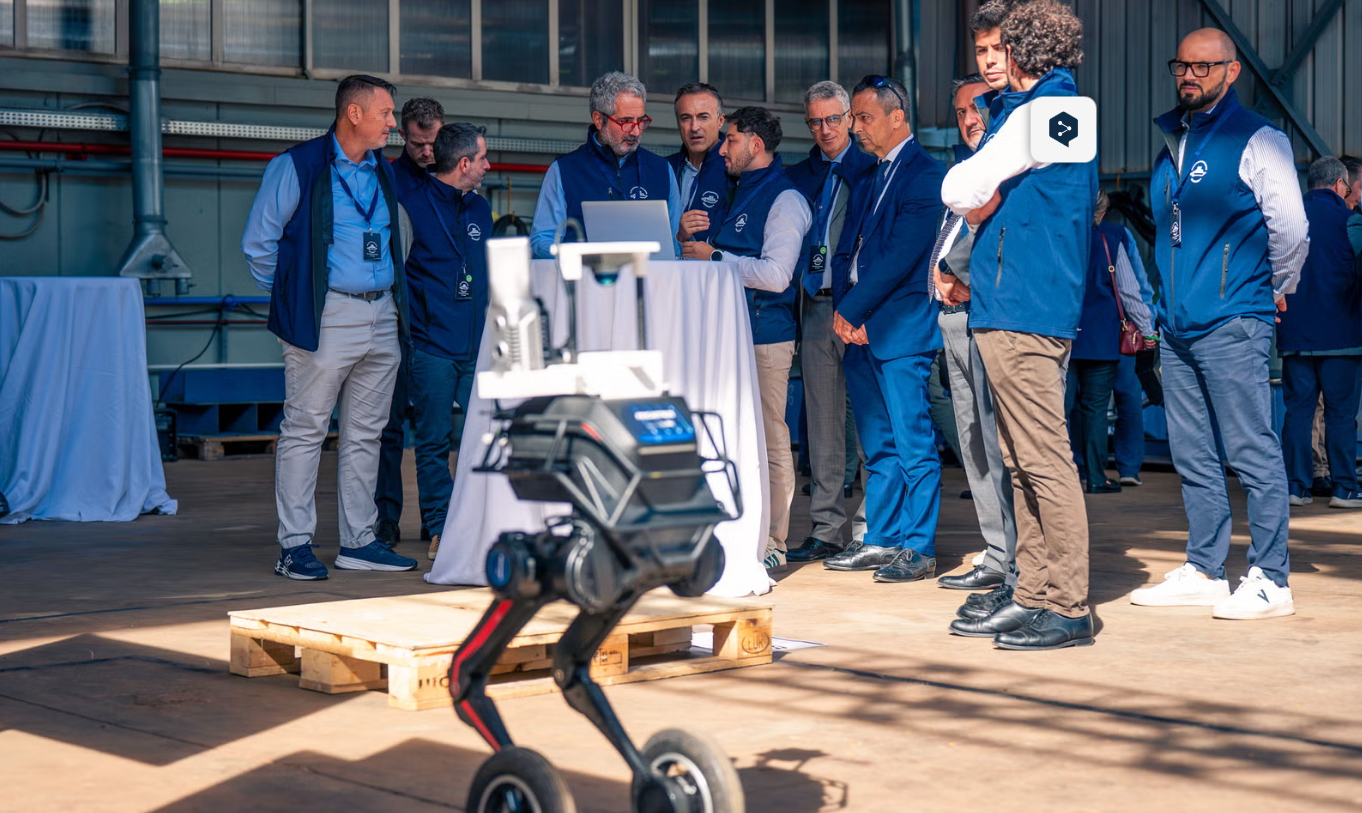
This is the vision behind BOOST² – The Shipyard of the Future, the industrial innovation program launched by the Group three years ago to identify, develop, and integrate new technologies into its production processes. Throughout its journey, the initiative has engaged more than 450 Fincantieri employees across 13 shipyards in Italy and abroad, including facilities in Romania and the United States, fostering direct interaction with operational needs and actively involving people in the development of new solutions. As part of the Industrial Plan, the program provides for investments of almost 100 million euros. The programme’s latest achievements were presented yesterday at the Castellammare di Stabia shipyard through demonstrations of solutions already in operation, technologies currently undergoing validation, and applications destined for further evolution.
Following an initial phase focused on technology scouting and experimentation, the program is now geared towards accelerating the transition from innovation to industrial deployment, supporting the adoption of new solutions in day-to-day operations and their progressive rollout across the Group’s shipyards. This approach builds on the results achieved so far and aims to further strengthen the integration of technologies, industrial expertise, and the practical needs of production.
In this context, collaboration with the innovation ecosystem plays a key role. Through its Open Innovation strategy, Fincantieri identifies and selects technology partners in Italy and internationally, including SMEs and start-ups, to develop and tailor solutions to the specific needs of the shipbuilding industry. The direct involvement of people and production teams is an integral part of the process, enabling field testing, accelerating adoption, and ensuring that technologies can be scaled and replicated across different manufacturing environments.
At the heart of the program are Physical AI, which enables intelligent systems to interact with the physical world, and collaborative robotics, with applications designed to support people in carrying out the most complex tasks. These technologies are complemented by Digital Twin solutions for the digital management of shipyard assets and processes, Smart Supply Chain systems, additive manufacturing, and automated solutions for industrial equipment. The objective is to unlock the full potential of these technologies by progressively integrating them into operational workflows and strengthening the connection between design, planning, and production.