


The European Union (EU) has imposed sanctions on several major Russian shipyards, including key submarine manufacturers, naval vessel repair facilities, and yards engaged in commercial shipbuilding.
On October 12, the EU announced that it had blacklisted 826 Russian companies and 743 executives, adding them to the EU sanctions list. This marks the largest single expansion of the sanctions list since the Russia-Ukraine conflict began in February 2022.
This 930-page sanctions list includes dozens of shipyards, ship repair yards, ship design agencies, and marine equipment suppliers. Overall, the list covers the vast majority of business activities in the Russian shipbuilding industry.
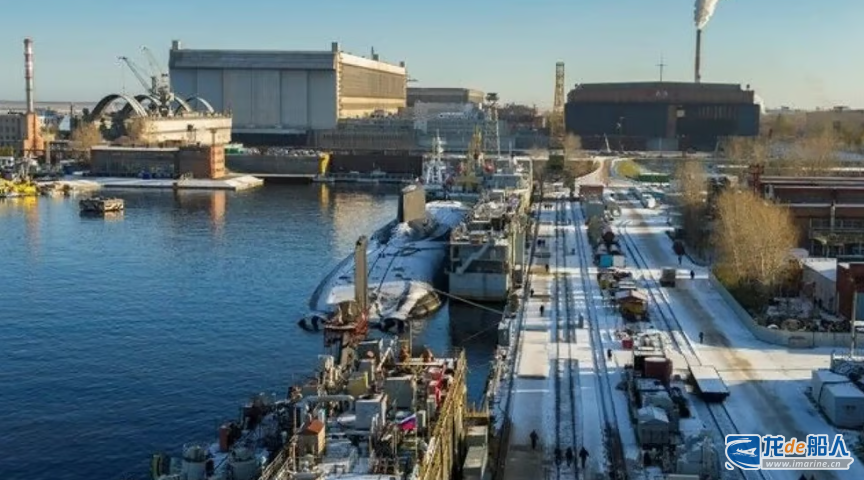
The report noted that the EU’s latest sanctions list includes 23 Russian shipyards and ship repair facilities, many of which are affiliated with the United Shipbuilding Corporation (USC). The corporation is Russia’s largest shipbuilding conglomerate, accounting for approximately 80 percent of Russia’s total new shipbuilding tonnage, and has already been subject to severe sanctions.
The Russian shipyards most recently sanctioned include: the Admiralty Shipyards in St. Petersburg, the Sevmash Shipyard in Severodvinsk, the Amur Shipbuilding Plant in the Russian Far East, and Severnaya Verf (a large shipyard in St. Petersburg).
The sanctions list is not limited to major Russian naval shipyards; it also encompasses Vyborg Shipyard, Sredne-Nevsky Shipyard, Nevsky Shipbuilding and Ship Repair Plant, and Vympel Shipbuilding Plant—facilities that handle both commercial and defense shipbuilding projects.
At the same time, several Russian shipyards—including Zvezdochka (a major base for submarine maintenance and modernization), Dalzavod (responsible for support services for the Russian Pacific Fleet), and the 13th, 33rd, and 82nd Ship Repair Yards in Sevastopol—have been added to the list of sanctioned entities.
Given that several major shipyards in Russia’s shipbuilding industry serve both military and commercial markets, the scope of the EU’s latest sanctions list is particularly noteworthy.
For instance, Sevmash serves as the core facility for Russia’s nuclear submarine construction program; Admiralty Shipyards focuses primarily on building conventionally powered submarines; Severnaya Verf is responsible for constructing naval surface combatants; the Amur Shipbuilding Plant builds vessels for the Russian Pacific Fleet; Vyborg Shipyard specializes in icebreakers and offshore equipment; and the Nevsky Shipbuilding and Ship Repair Plant constructs both commercial vessels and government-service ships.
The sanctions measures announced by the EU mandate the freezing of assets belonging to the relevant entities and prohibit EU individuals and companies from making funds or economic resources available to the listed entities. However, the sanctions themselves do not impose a blanket ban on the use of Russian-built vessels, nor do they entirely prohibit the construction and delivery of civil commercial ships by sanctioned shipyards.
The sanctions announced by the EU provide for the freezing of assets of the entities concerned and prohibit EU individuals and companies from making funds or economic resources available to the listed entities. However, the sanctions themselves do not impose a comprehensive ban on the use of Russian-built vessels, nor do they comprehensively prohibit civilian commercial ships built and delivered by sanctioned shipyards.
Unlike the EU’s sanctions against Russia’s “shadow fleet”—which primarily target vessels involved in transporting Russian oil and circumventing Western restrictions—the latest measures are aimed at Russia’s shipbuilding and naval maintenance infrastructure, including facilities responsible for building, repairing, and maintaining military vessels.
The sanctions regulation was published in the Official Journal of the EU on October 12 and entered into force on the same day.