


The U.S. Congress has added a provision to the National Defense Authorization Act (NDAA) prohibiting the use of defense funds to commission foreign shipyards to build U.S. Navy vessels; this move could jeopardize the “MASGA” (Make American Shipbuilding Great Again) cooperation initiative between South Korea and the United States.
South Korean media reports indicate that during its deliberations on the Fiscal Year 2027 National Defense Authorization Act, the U.S. House Armed Services Committee passed an amendment explicitly stipulating that “no funds from the U.S. Navy’s budget may be used to procure combat vessels built by foreign shipyards.”
Maine Democratic Representative Jared Golden, who introduced the amendment, stated: “U.S. defense spending should support American jobs. It is absolutely unacceptable to have some surface ships built by foreign shipyards and foreign workers, as this would threaten American industry, jobs, and national security.”
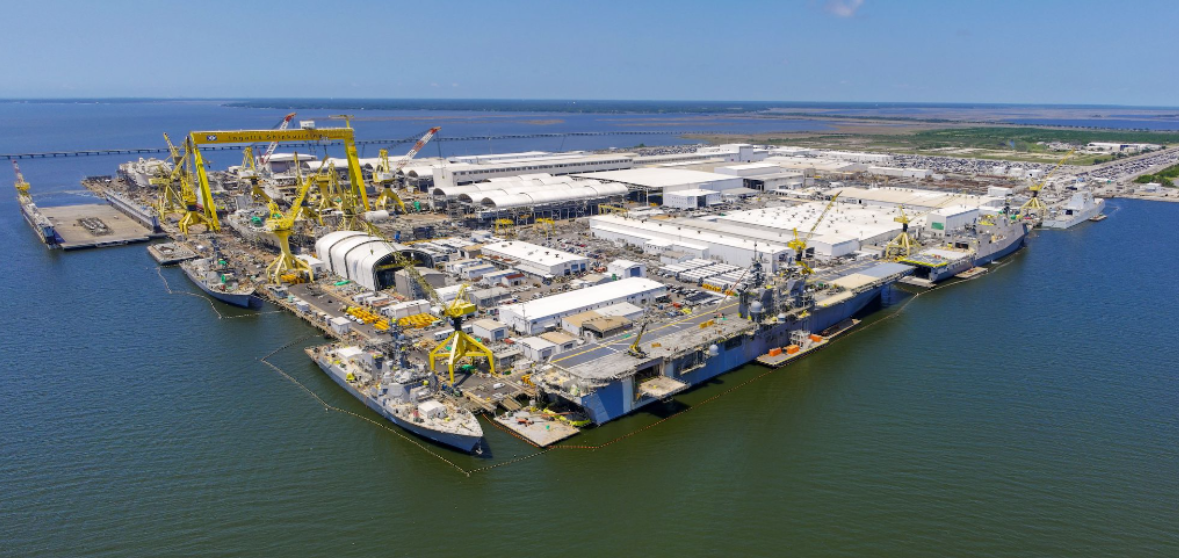
The amendment highlights the divergence in positions between the U.S. administration and the U.S. Congress, which holds the actual authority over the budget: while the Trump administration intends to utilize the production capacity of foreign shipyards, the U.S. Congress opposes this approach.
Former U.S. Secretary of the Navy John Phelan said in April: “We have been tasked with exploring the possibility of procuring combat vessels overseas. If this moves forward, we will give priority to countries such as South Korea and Japan, as well as their shipbuilders.” U.S. Secretary of State Marco Antonio Rubio also told Congress earlier this month: “One provision of the agreement with South Korea allows for certain vessels to be built not only in the United States but also at South Korean shipyards.”
Earlier this month, the U.S. defense media outlet Breaking Defense reported that the U.S. Department of Defense is considering commissioning South Korean or Japanese shipyards to build U.S. Navy vessels. Potential candidates include three South Korean shipyards—HD Hyundai Heavy Industries, Hanwha Ocean, and Samsung Heavy Industries; three Japanese shipyards—Mitsubishi Heavy Industries, Kawasaki Heavy Industries, and Japan Shipbuilders’ Association. The proposed defense shipbuilding project is valued at $1.85 billion, and the funding is part of the U.S. Department of Defense’s $350 billion budget reconciliation plan.
In contrast, the U.S. Congress has taken a completely different stance. At a hearing of the U.S. Senate Armed Services Committee held on May 19, Senator Angus King (I-Maine) stated bluntly: “ ‘Entrusting the destroyer program to shipyards in South Korea and Japan is an extremely bad idea. Even if they are allies, it is unreasonable to hand over such a critical defense shipbuilding project to foreign shipyards. If we want to rebuild the U.S. domestic shipbuilding industry, we must reserve these orders for American shipyards.’”
Roger Wicker, the Republican chairman of the Mississippi Senate Armed Services Committee, said, “Whether it involves building ship sections or entire vessels, any outsourcing of U.S. shipbuilding work overseas must be stopped.”
Based on the above, South Korean media believe that although the amendment to the U.S. National Defense Authorization Act still needs to pass a full House vote and undergo the conference committee process, given the strong opposition from relevant lawmakers to overseas shipbuilding, some analysts suggest that implementing a policy to utilize shipyards in allied countries such as South Korea will face significant political obstacles, which are highly likely to affect the MASGA project.