


On December 16, Samsung Heavy Industries announced that it had signed a contract with South Korean mid-sized shipyard HSG Sungdong Shipbuildingg for the full outsourcing construction of two medium-sized oil tankers. Combined with the two Suezmax tankers contract signed on November 14, HSG Sungdong Shipbuilding’s total shipbuilding capacity has increased to four vessels.
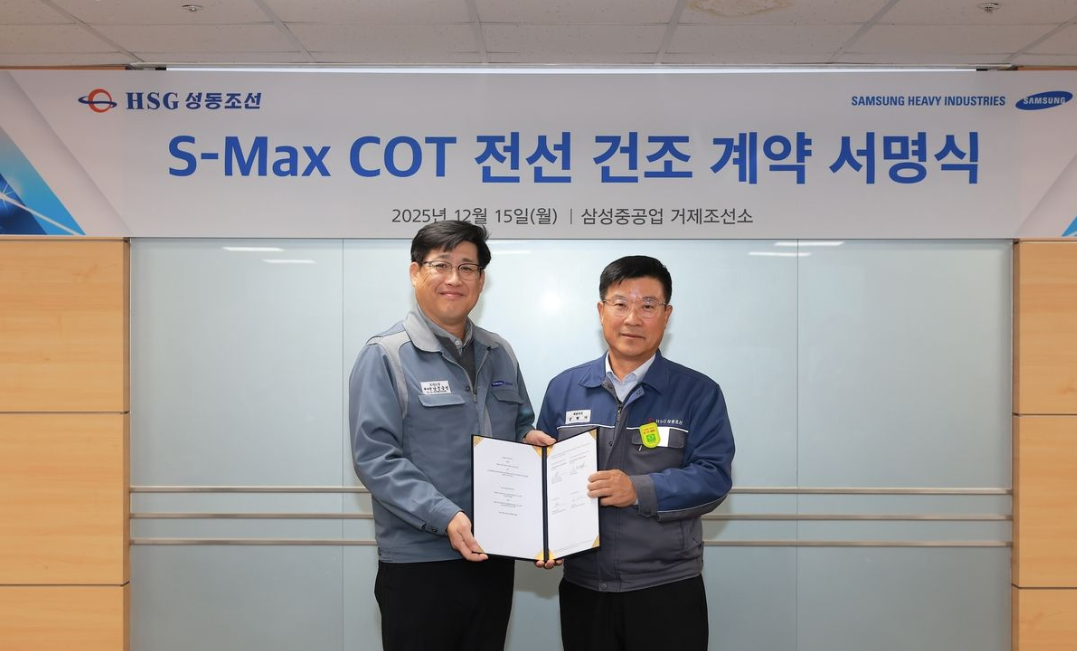
Samsung Heavy Industries emphasized that this model of shipbuilding collaboration with domestic Korean shipyards will strengthen the synergistic growth of the ecosystem for small and medium-sized shipbuilding enterprises in Korea. It is particularly expected to contribute to expanding job opportunities and revitalizing the local economy in the Gyeongsangnam-do region.
It is understood that Samsung Heavy Industries and HSG Sungdong Shipbuilding entered into a strategic partnership in July 2025 to “build a symbiotic collaborative development model.” This move by Samsung Heavy Industries aims to leverage synergies with mid-sized Korean shipyards, enhance process efficiency, and strengthen shipbuilding competitiveness.
In the following months, Samsung Heavy Industries dispatched several technical personnel responsible for shipbuilding quality and processes to HSG Sungdong Shipbuilding to maintain a permanent presence at the shipyard, ensuring the quality of the outsourced orders.
It is understood that Samsung Heavy Industries selected HSG Sungdong Shipbuilding as its first mid-sized Korean shipyard partner, primarily valuing its construction experience, production systems, technical personnel, and its ability to deliver quality and on-time performance comparable to large shipyards.
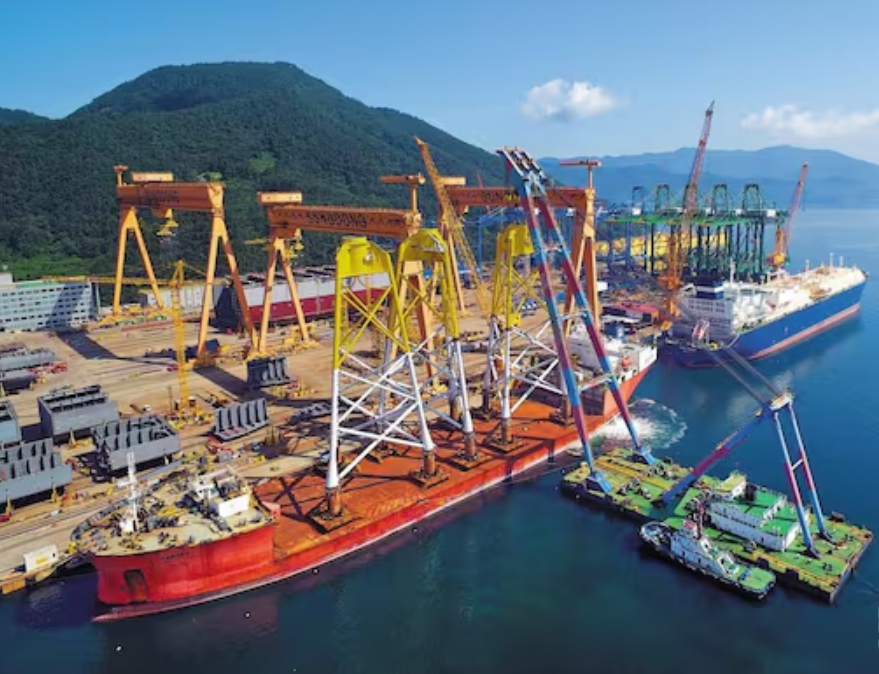
HSG Sungdong Shipbuilding, formerly Sungdong Shipbuilding & Marine Engineering, once focused on tanker construction as its core business. In 2007, its order backlog ranked eighth globally, with oil tankers being the shipyard’s primary vessel type.
Due to the downturn in the shipbuilding industry, HSG Sungdong Shipbuilding began bankruptcy reorganization in 2018, but its core assets were preserved. including a 360,000-square-meter large dry dock, a 2-kilometer-long wharf, and a 900-ton giant crane. These shipbuilding facilities remain fully operational. The yard has also developed a unique competitive edge distinct from other mid-sized Korean shipbuilders by pre-assembling large hull sections in dry docks and minimizing lifting operations, thereby shortening construction cycles.
Following its acquisition by HSG Heavy Industries in 2020 and subsequent renaming to HSG Sungdong Shipbuilding, the company’s core business has been ship block construction. Over the past several years, it has undertaken projects for Samsung Heavy Industries, including the construction of ship blocks and half-hulls, but has yet to secure any full-vessel orders directly from shipowners. The inability to independently secure new shipbuilding orders is reportedly attributed to difficulties in obtaining bank guarantees from Korean financial institutions.
By undertaking Samsung Heavy Industries’ full-ship outsourcing construction projects, HSG Sungdong Shipbuilding will not only expand its business scope but also secure a stable order pipeline, thereby accelerating the shipyard’s return to full-ship construction. According to the plan, HSG Sungdong Shipbuilding will commence the steel-cutting ceremony for its first vessel in December 2026, marking the shipyard’s return to full-ship construction after an eight-year hiatus.