


Recently, the renowned shipbuilding magazine Maritime Reporter & Engineering News released its “World’s Best Ships of 2025” list, featuring six vessels: the “R/V David Packard”, the “BYD Shenzhen”, the “Frederick Paup”, the “Boreas”, the “Wind Ally”, and the “Amelia Island”. Three of these were built by Chinese shipyards, two by American shipyards (both dredgers), and the other, a research vessel, was built by a Spanish shipyard.
It should be noted that as a long-established U.S. publication, the ranking released by Maritime Reporter & Engineering News exhibits a pronounced domestic bias. The two U.S.-built vessels featured on the list fall significantly short in both scale and technological sophistication compared to the high-end dredgers constructed by Chinese shipyards during the same period. This disparity undermines the list’s objectivity and diminishes its value as an industry reference.
Three vessels from Chinese shipyards
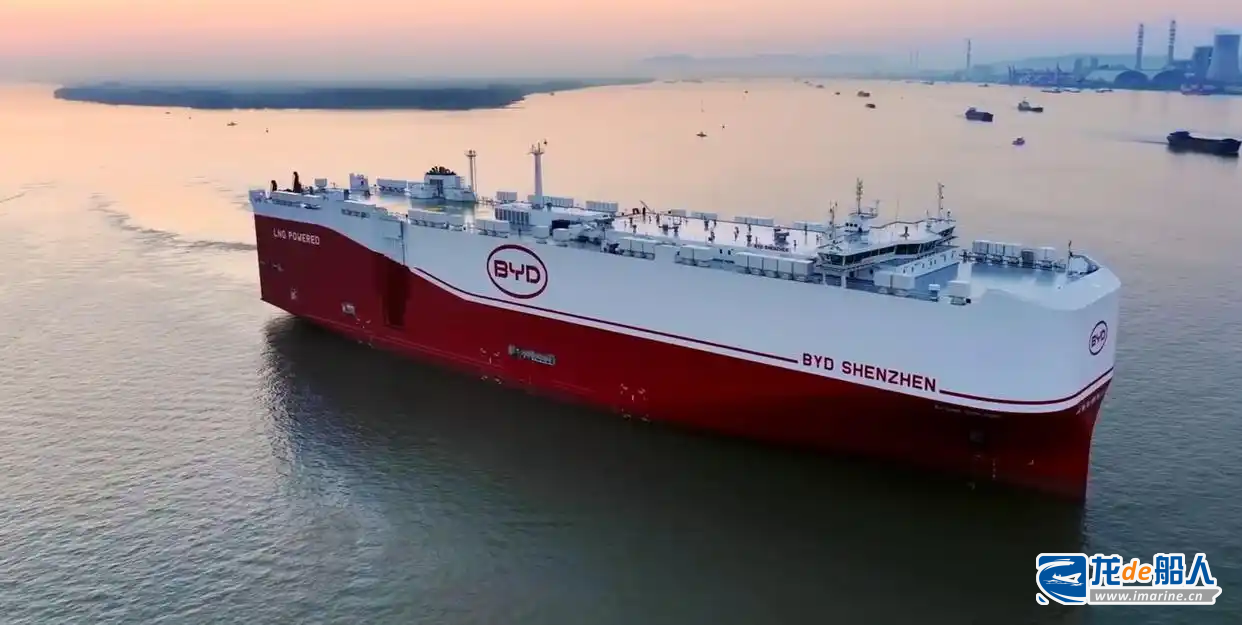
Vessel Name: BYD Shenzhen
Vessel Type: PCTC
Owner: BYD
Shipyard: China Merchants Jinling Shipyard (Nanjing)
Reason for Inclusion: World’s largest LNG dual-fuel PCTC
The “BYD Shenzhen” is 219.9 meters long, 37.7 meters wide, has a design draft of 9 meters, a design speed of 18.5 knots, and can carry 9,200 vehicles. The vessel uses LNG dual-fuel propulsion and is equipped with various energy-saving measures such as energy-saving devices and drag-reducing and anti-fouling paint. It is also the first to install and apply BYD’s box-type battery packs and shaft generators, boasting advantages such as green environmental protection, intelligent efficiency and other technological advantages. It is currently the world’s largest LNG dual-fuel car carrier. This vessel is BYD’s fourth self-operated professional PCTC and was officially delivered on April 22, 2025.

Vessel Name: Boreas
Vessel Type: Wind Turbine Installation Vessel
Owner: Van Oord (Netherlands)
Shipyard: CIMC Raffles
Reason for inclusion: The world’s largest and most sustainable wind turbine installation vessel, and the first of its kind equipped with methanol dual-fuel engines.
The Boreas, the world’s largest and most sustainable wind turbine installation vessel and the first of its kind equipped with methanol dual-fuel engines, was delivered on January 8, 2025. The vessel measures 175 meters in length overall, 63 meters in beam, with a pile leg length of 126 meters. It has a maximum operating water depth of 80 meters and accommodates a crew of 135. It boasts a maximum lifting capacity of 55,000 tons, a deck area exceeding 7,000 square meters, a main crane capacity of 3,310 tons, and a boom height of 155 meters. Designed specifically for transporting and installing next-generation offshore wind turbines and large foundations, the vessel can install turbines with a total height of up to 300 meters and a capacity of 20 MW.
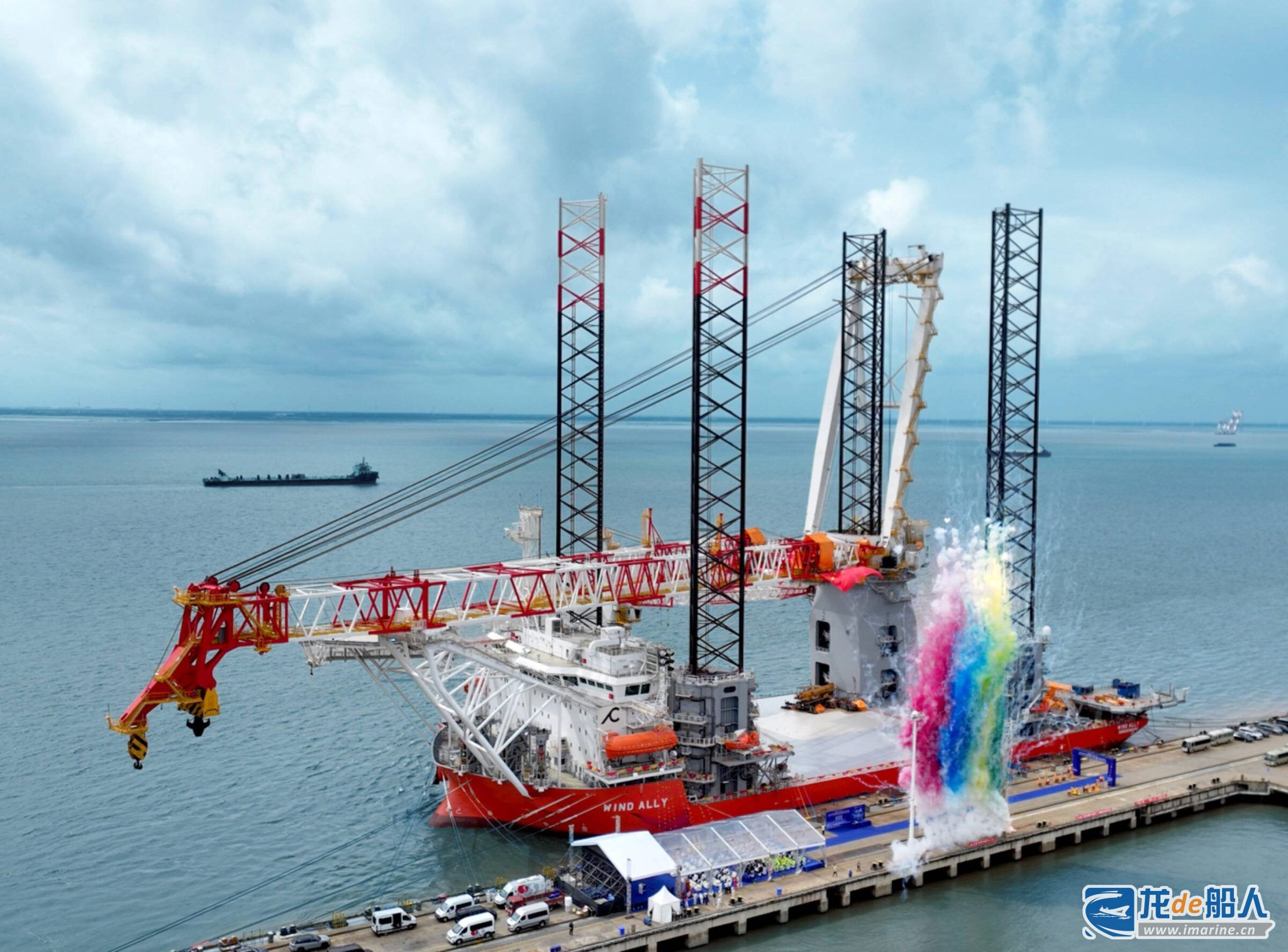
Vessel Name: Wind Ally
Vessel Type: Wind Turbine Installation Vessel
Owner: Cadeler
Shipyard: COSCO SHIPPING Offshore Engineering, Qidong
Reason for inclusion: The first vessel of three Class A wind turbine installation vessels ordered by Cadeler
The Wind Ally was custom-built to meet the growing scale and complexity of offshore wind turbines and foundations. Its hybrid design enables rapid switching between foundation installation and turbine installation modes. The vessel was delivered on September 25, 2025. The vessel accommodates 130 crew members and installation technicians, features a deck area of 5,600 square meters, and boasts a payload capacity exceeding 18,000 tons. With a maximum lifting capacity of 3,300 tons and a lifting height of 39 meters, it can transport up to six XXL monopiles per voyage. This capability reduces the number of trips required per project installation, significantly enhancing operational efficiency.
Two vessels from U.S. shipyards
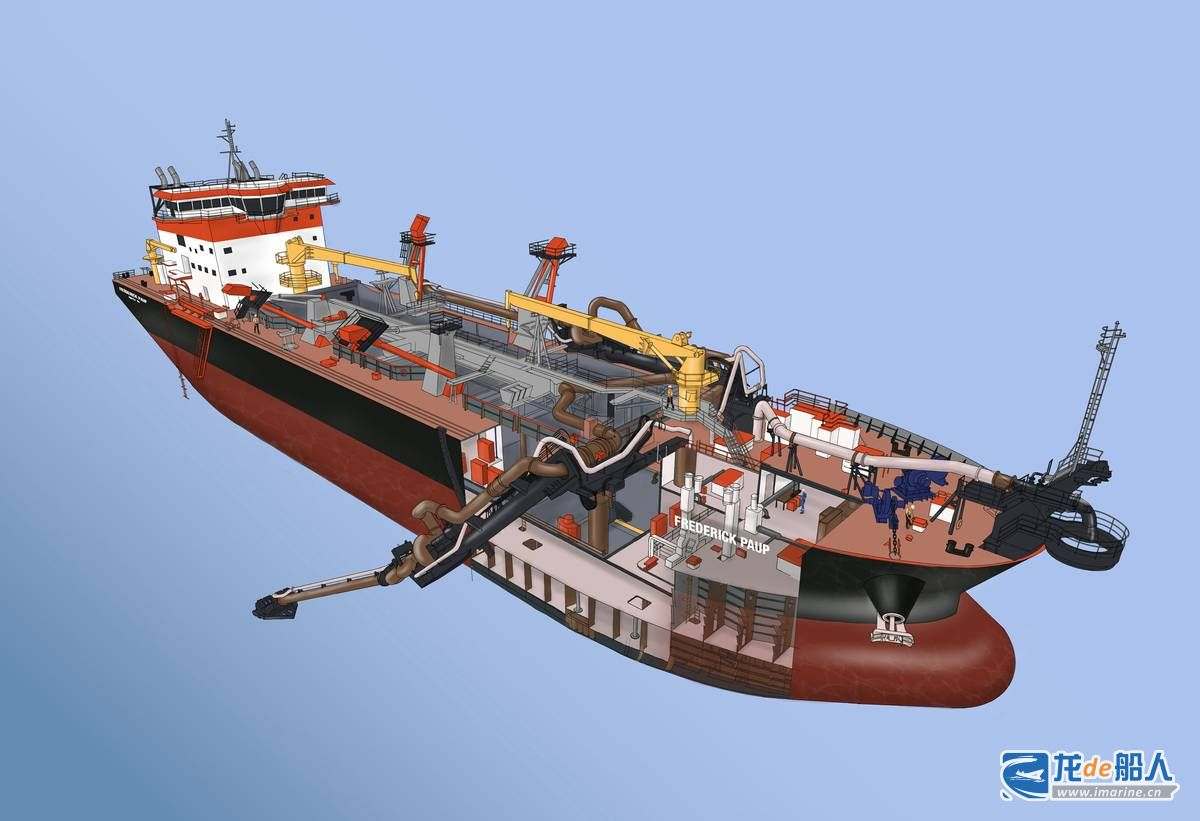
Vessel Name: Frederick Paup
Vessel Type: Trailing suction hopper dredger
Owner: Manson Construction
Shipyard: AmFELS Shipyard, USA
Reason for inclusion: Largest American trailing suction hopper dredger (formerly Keppel America)
The “Frederick Paup” is the largest trailing suction hopper dredger in the United States, designed and built specifically to meet the needs of the US dredging market. It has a rated power of 25,000 horsepower, a hopper capacity exceeding 11,468 cubic meters, and is scheduled for delivery in 2025. The vessel is 128 meters long, 24.7 meters wide, and 9.9 meters deep, with a design draft of 9.45 meters and a design speed of 14 knots. It is classed by the American Bureau of Shipping (ABS) and uses a diesel-electric propulsion system equipped with Tier 4 emission standard engines, offering high fuel efficiency and excellent environmental performance.
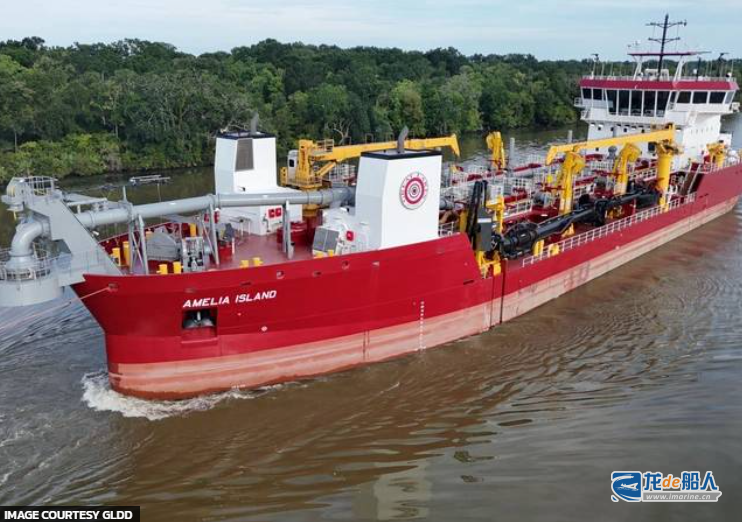
Vessel Name: Amelia Island
Vessel Type: Trailing Suction Hopper Dredger
Owner: Great Lakes Dredge & Dock Corporation (GLDD)
Shipyard: Conrad Shipyard, USA
Reason for inclusion: The latest Jones Act-compliant trailing suction hopper dredger built by GLDD, the largest dredging service provider in the United States.
The Amelia Island is specifically designed for efficient and safe dredging operations in the shallow, narrow waters along the U.S. coastline. With a length of approximately 105.5 meters, a beam of 21 meters, and a draft of 7 meters, with a total installed power of 16,500 horsepower. It is equipped with two 800-millimeter diameter suction pipes, capable of dredging to a maximum depth of 30.5 meters, and boasts a cargo capacity of 4,840 cubic meters. Featuring a highly automated design, the vessel is suitable for diverse operational scenarios including beach nourishment, coastal protection, channel deepening, and maintenance dredging.
One Vessel from Spanish Shipyard

Vessel Name: R/V David Packard
Vessel Type: Research Vessel
Owner: Monterey Bay Aquarium Research Institute (MBARI)
Shipyard: Freire Shipyard
Reason for Inclusion: MBARI’s flagship deep-sea research vessel
The “R/V David Packard” is a diesel-electric flagship deep-sea research vessel built by MBARI in the United States, and is scheduled for delivery in the spring of 2025. Weighing approximately 1200 tons, it is 50 meters long, 12.8 meters wide, and has a draft of 3.6 meters. It boasts a maximum speed of 12 knots, a crew of 30 (12 crew members and 18 researchers), and an endurance of 21 days. The vessel is equipped with all necessary amenities for living, working, and other needs. Its focus is on deep-sea exploration, research into the impacts of climate change, seabed topography mapping, and coastal ecological monitoring. It also supports marine data collection related to beach conservation and waterway maintenance, serving the scientific research needs of the US West Coast and the Northeast Pacific.