


According to Nikkei, several Japanese companies in the shipping and shipbuilding sectors will jointly develop ammonia-fueled pure car and truck carriers (PCTCs) to advance the decarbonization of the shipping industry. The participating companies include NYK Line, Kawasaki Kisen Kaisha (“K” Line), Shin Kurushima Dockyard, Japan Marine United (a subsidiary of Imabari Shipbuilding), Kyokuyo Shipyard, and JERA.
Specifically, NYK Line and “K” Line will act as shipowners, ordering four ammonia-fueled PCTCs to be built by Shin Kurushima Dockyard, Nihon Shipyard, and Kyokuyo Shipyard. The vessels are scheduled for delivery by 2030, with JERA set to supply the ammonia fuel required for their operation.
Starting in 2029, JERA plans to transport ammonia—sourced from locations such as Louisiana in the United States—to its Hekinan Thermal Power Station. From there, the ammonia will be transferred to the PCTCs via specialized ammonia bunkering vessels.
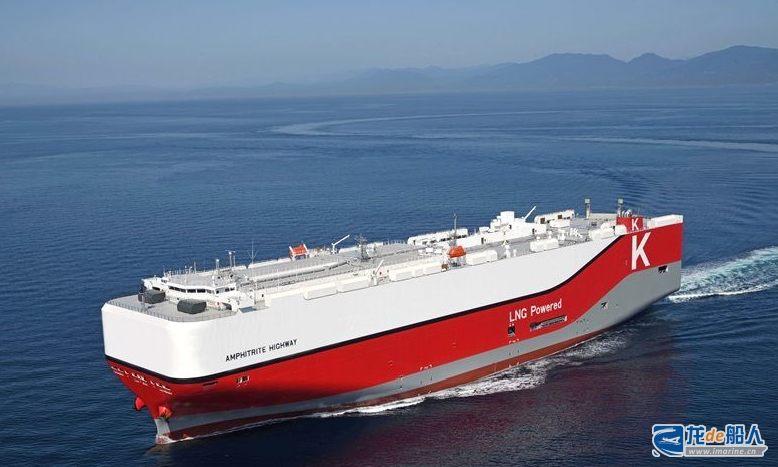
Although large vessels have traditionally relied primarily on heavy fuel oils, the International Maritime Organization (IMO) has set a goal for the shipping industry to achieve net-zero emissions by 2050. In an effort to reduce carbon emissions, there has been a growing trend in recent years toward using liquefied natural gas (LNG) as a marine fuel. Furthermore, alternatives such as ammonia, hydrogen, and methanol are gaining significant attention as next-generation marine fuels due to their lower carbon footprints.
However, the widespread adoption of vessels powered by these next-generation fuels faces a major hurdle: the fuel supply chain. For shipowners, even if they commission vessels designed to run on these new fuels, the vessels cannot enter service if the ports of call lack the necessary bunkering infrastructure. Additionally, the market faces the significant challenge of how to lower the costs of these new fuels, which currently remain higher than those of traditional heavy fuel oils.
PCTCs primarily operate between export ports located near automotive manufacturing plants and key export destinations. Compared to bulk carriers—which transport commodities like iron ore, coal, or grain—or oil tankers carrying crude oil, PCTCs follow relatively fixed routes and call at a consistent set of ports. This makes them better suited for the adoption of next-generation marine fuels that rely on a limited network of bunkering (refueling) facilities.