


On 31 August 2026, in the presence of Emmanuel Macron, President of the French Republic, and Ulf Kristersson, Prime Minister of Sweden, Mikael Granholm, Director-General of the FMV (the Swedish Defence Materiel Administration), and Pierre Éric Pommellet, Chairman and CEO of Naval Group, signed the contract for the procurement of four defence and intervention frigates (FDI) for the Royal Swedish Navy, less than four months after Sweden announced its selection of the FDI.
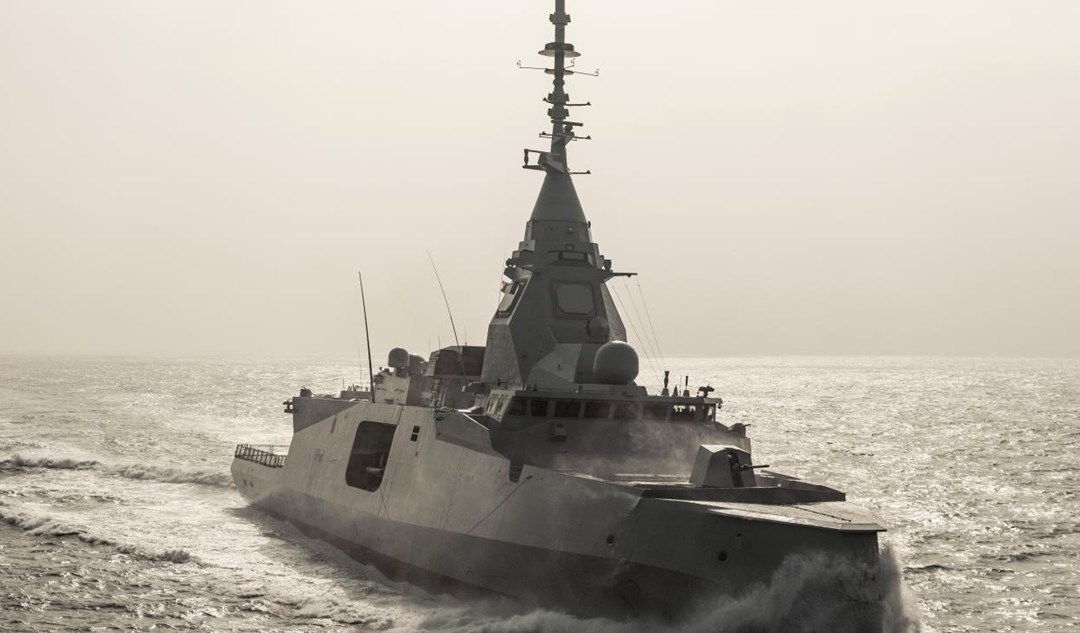
Swedish officials stated that the four frigates, with a total value of approximately 47 billion Swedish kronor (about $4.897 billion), will be designated the “Luleå” class and will all be built in France. The first ship, “HMS Luleå”, is scheduled for delivery in 2030, while the remaining three—named “HMS Norrköping”, “HMS Relleborg”, and “HMS Halmstad”—are expected to be delivered in 2032, 2033, and 2034, respectively.
Contractors for this frigate program were selected through a competitive bidding process. The defense shipbuilding groups participating in the bidding included France’s Naval Group, a consortium comprising the U.K.’s Babcock (BAB.L) and Saab, and Spain’s Navantia.
Following a fierce bidding process, Swedish authorities announced in May 2026 that France Naval Group had been selected as the preferred supplier for the frigate project. The two parties then entered into nearly four months of exclusive negotiations, ultimately finalizing this major defense contract in late August of the same year.
According to reports, the French Naval Group is one of the few shipbuilding groups in the world with comprehensive design and construction capabilities for defense shipbuilding projects, including aircraft carriers, nuclear submarines, and capital ships, and is able to provide a full range of services, including design, construction, integration, dismantling, and maintenance. In 2025, the group generated revenue of 4.679 billion euros (approximately $5.434 billion) and employed over 17,000 full-time workers.