


Sinokor Maritime, a long-established South Korean shipping company that embarked on a frenzied buying spree of Very Large Crude Carriers (VLCCs) several months ago, has seen its VLCC fleet approach the 100-vessel milestone.
Rebecca Galanopoulos, an analyst at shipping firm Veson Nautical, noted in her latest market report that so far in 2026, Sinokor Maritime has dominated the secondhand VLCC acquisition market, purchasing a total of 73 VLCCs for nearly $6 billion.
This unprecedented buying spree has been financially backed by the world’s largest shipowner, Mediterranean Shipping Company (MSC). According to Veson Nautical data, the nearly $6 billion spent on these acquisitions equals the combined total of the next eight largest tanker buyers globally. Earlier this year, MSC acquired a 50% stake in Sinokor Maritime, becoming a joint controller of the company alongside Zhong Jiaxian (transliteration).
According to Clarksons data, Sinokor Maritime currently operates 93 VLCCs with a total carrying capacity exceeding 28.3 million deadweight tons; its overall tanker fleet comprises 162 vessels. Based on fleet size, Sinokor Maritime has become the world’s largest tanker operator.
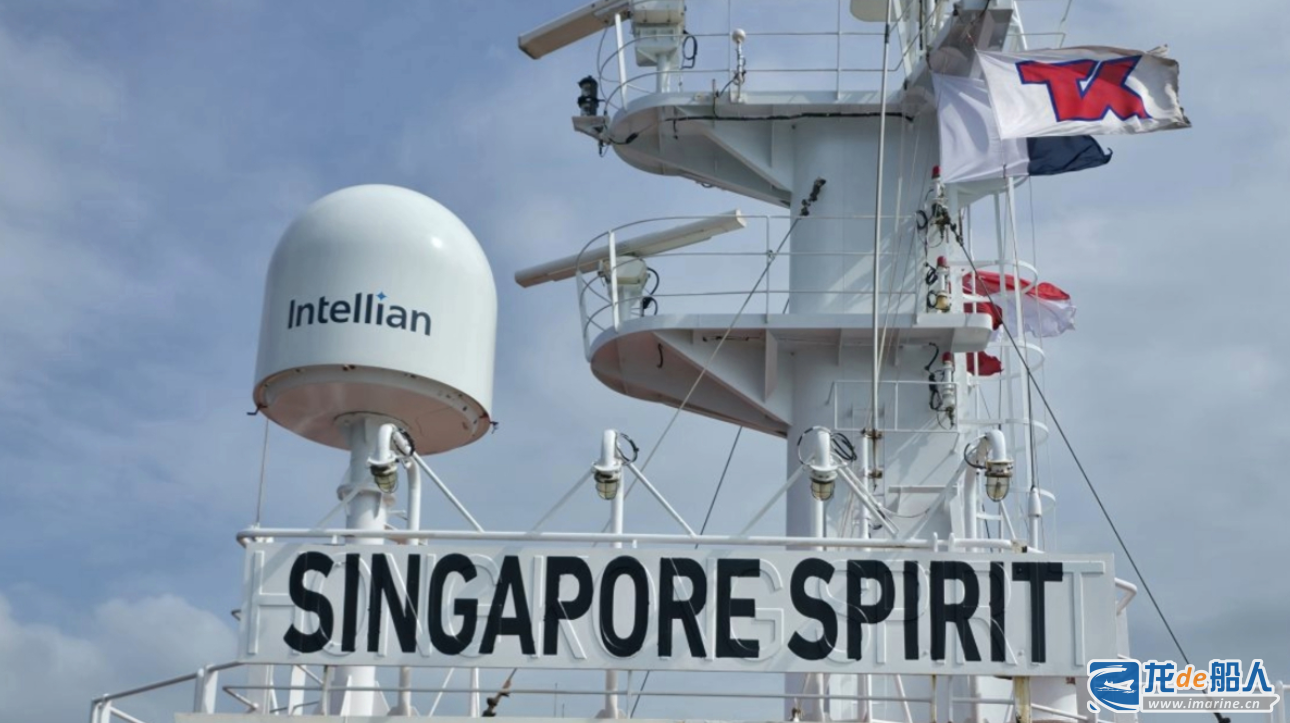
Overall, the secondhand oil tanker market experienced explosive growth in 2026. According to the latest monthly report from BRS Shipbrokers, a total of 428 oil tankers changed hands from January through mid-August 2026, compared to just 370 vessels traded during the first three quarters of 2025.
Rebecca Galanopoulos noted in her analysis that the crisis in the Strait of Hormuz was the primary driver of market sentiment in the tanker sector in 2026. AIS data shows that as shipowners and charterers weighed the risks of operating in the region, there was a significant shift in the navigation patterns of vessels transiting the Persian Gulf.
Rebecca Galanopoulos explained, “Market demand for oil tankers capable of flexibly adapting to alternative trade routes continues to rise, directly driving up secondhand vessel prices; current asset prices have reached multi-year highs.”
Rebecca Galanopoulos also noted: “Sinokor Maritime’s large-scale acquisitions directly reflect this market demand. Although the freight market is currently absorbing the costs of rerouting and rising insurance premiums caused by the ongoing crisis, shipowners continue to fiercely compete for capacity. Whether this acquisition momentum can be sustained will largely depend on the geopolitical situation and developments in the Strait of Hormuz.”
The analysts concluded in their report: “Given that VLCC prices have reached their highest level since 2008, the more likely trend going forward is stabilization rather than further acceleration, although owners with aging fleets may still view this as an excellent opportunity to upgrade their fleets before any market correction occurs.”