


The market for new Very Large Crude Carriers (VLCCs) in 2026 can be described as having “so many orders that it’s impossible to keep track of them all”: new orders are being secured almost every week, and this year has already become the strongest on record for the VLCC segment.
On July 15, Maritime Strategies International (MSI), an international maritime strategy consulting firm headquartered in London, UK, released a report showing that in the first half of 2026, global shipowners placed orders for a total of 177 VLCCs, amounting to 54.5 million deadweight tons.
The VLCC order capacity for the first half of the year alone has already far exceeded the annual record of 32.6 million deadweight tons set in 2006. This means that even if no further orders are placed by shipowners in the second half of 2026, the volume of VLCC orders contracted this year will still break the annual record, making 2026 the strongest year for shipbuilding in the history of this segment.
In terms of shipbuilding nations, Chinese shipbuilders secured approximately 89% of VLCC orders in the first half of 2026. Among them, Hengli Heavy Industries firmly held the top spot with a 55% market share, while Jiangsu Hantong Ship Heavy Industry Co., Ltd(HT) and Dalian Shipbuilding Industry co.,ltd.(DSIC) ranked second and third with market shares of 14% and 11%, respectively.
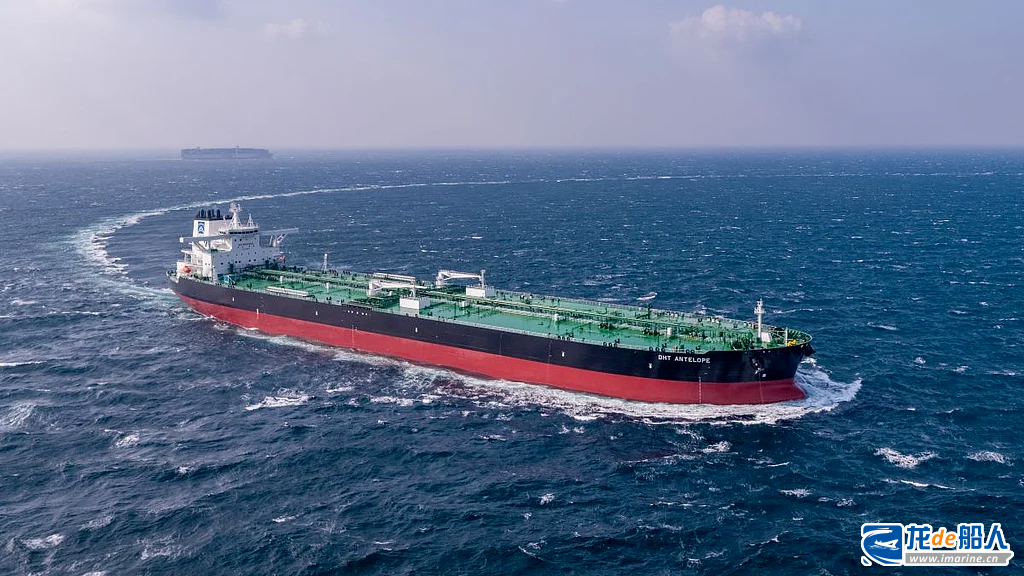
Driven by a surge in orders, as of June 2026, the ratio of VLCC orders on hand to the size of the existing fleet had soared to approximately 35 percent, compared with just 2 percent three years earlier. Although this ratio had reached 38 percent in 2006, the global VLCC fleet at that time was only about half its current size, underscoring the unprecedented scale of this VLCC ordering cycle.
An MSI analyst stated, “The market for new oil tanker construction in 2026 is exceptionally robust. Among the VLCCs ordered in the first half of this year, Western shipowners—primarily Greek—account for about half of the orders, while Asian shipowners account for about a quarter.”
The firm noted that for VLCCs ordered in the first half of 2026, approximately 83% of the delivery dates are scheduled for 2028 and 2029. “The number of VLCCs scheduled for delivery in 2028 has doubled compared to previous projections, which will place significant pressure on the future balance of supply and demand in the market.”
Across the entire crude oil tanker market, the latest analysis from shipping data provider Signal Ocean shows that, driven by a surge in VLCC orders, the global order book for crude oil tankers has now exceeded 600 vessels, surpassing the historical record set in 2008. With several months remaining until the end of 2026, the order volume is expected to rise further.
These orders are concentrated for delivery over the next three years, from 2027 to 2029. Crude oil tanker deliveries are projected to grow steadily in 2027, followed by a peak of 78 vessels in the fourth quarter of 2028.
Signal Ocean’s data also shows that the surge in deliveries at the end of 2028 will be driven primarily by VLCCs, which are expected to account for approximately 60% of the crude oil tankers scheduled for delivery that quarter, while Suezmax tankers are projected to account for about 30%.
After peaking in the fourth quarter of 2028, quarterly deliveries in the crude oil tanker market are expected to gradually decline: projected deliveries for the first through fourth quarters of 2029 are 43, 36, 41, and 26 vessels, respectively; in the first quarter of 2030, the figure is expected to drop to just 13 vessels, after which quarterly deliveries will fall to single digits.