


Recent data released by shipbroker Allied Shipbroking shows that between March and late May 2026, Greek shipowners confirmed orders for 115 new vessels; when optional orders are included, the total number of orders reaches 133. The delivery dates for this batch of new vessels are concentrated between 2027 and 2030.
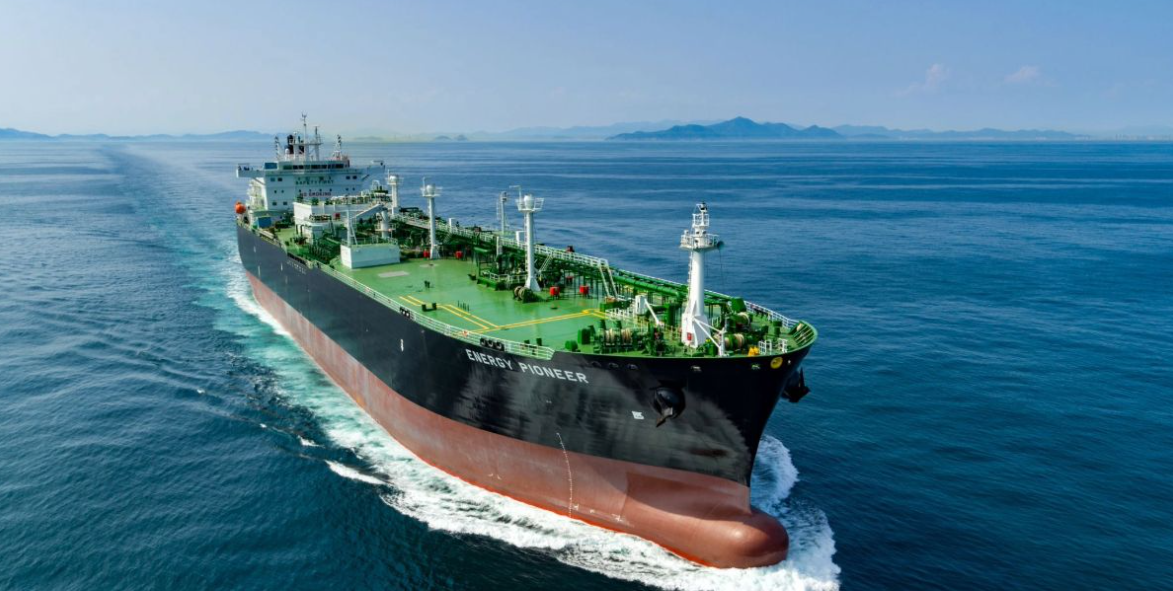
By vessel type, tanker orders lead this wave of newbuilds by Greek shipowners, with a total of 40 vessels ordered; container ships, bulk carriers, and liquefied gas carriers also maintain strong order trends, with 38, 25, and 12 vessels ordered, respectively.
Greek shipowners’ aggressive expansion into the tanker market during the recent surge in orders is closely linked to the evolving situation in the Strait of Hormuz.
In March, Greek shipowners placed confirmed orders for a total of 32 new vessels, with 23 of them concentrated in the Very Large Crude Carrier (VLCC) and Suezmax tanker segments. Major shipowners included Maran Tankers, Dynacom Tankers, Capital Group, Lavinia Tankers, Hellas, Arcadia Shipmanagement, Performance Shipping, and Golden Energy; most of these newbuilding projects were awarded to Chinese shipyards.
In other vessel segments, Seanergy Maritime ordered multiple bulk carriers; Costamare and Euroseas ordered several container ships; and Maran Gas expanded its fleet of liquefied natural gas (LNG) carriers.
In April, Greek shipowners placed orders for another 31 new vessels, but shifted their investment focus to container ships and Kamsarmax-class bulk carriers. For example, Costamare ordered 12 medium-sized container ships from Dalian Shipbuilding, while Euroseas ordered multiple feeder container ships from Yellow Sea Shipbuilding and CIMC Pacific Offshore.
The peak of this wave of orders from Greek shipowners occurred in May, coinciding with the run-up to the Greek International Maritime Exhibition, with a total of 52 newbuildings confirmed in a single month: Capital Group, Safe Bulkers, Cape Shipping, EuroDry, and DryDel Shipping were active in the dry bulk sector, while TMS Cardiff Gas, Navios Maritime Partners, and United Overseas Group primarily ordered oil tankers and gas carriers.
Allied Shipbroking stated: “Greek shipowners are not currently betting on a single shipping sector, but are instead undertaking a large-scale fleet renewal program. Despite rising geopolitical risks around the Strait of Hormuz, Greek shipowners continue to view the newbuild market as a key tool for their long-term fleet strategy.”
Regarding delivery schedules, Allied Shipbroking noted: “Greek shipowners are not merely purchasing short-term capacity; they are securing shipyard slots for the 2030s. This indicates that the investment is aimed at shaping the future fleet rather than meeting short-term needs.”