


Bloomberg reports that the global order book for Very Large Crude Carriers (VLCCs) has reached an all-time high, surpassing the surge seen in 2008—a period that ultimately resulted in market overcapacity and a prolonged slump in freight rates.
According to Clarksons statistics, the number of VLCC orders currently on hand at shipyards worldwide has reached 262. With each vessel capable of carrying approximately 2 million barrels of crude oil, the combined carrying capacity of these 262 VLCCs under construction totals 524 million barrels of crude oil, surpassing the historical peak set in October 2008.
By 2026, global shipowners have placed orders for 127 VLCCs, marking the highest annual total since 1973. Based on the ratio of orders under construction to the active fleet, the current order volume represents more than 25% of the existing fleet—still the highest level since 2011, when the VLCC market was still absorbing the order peak from 2008.
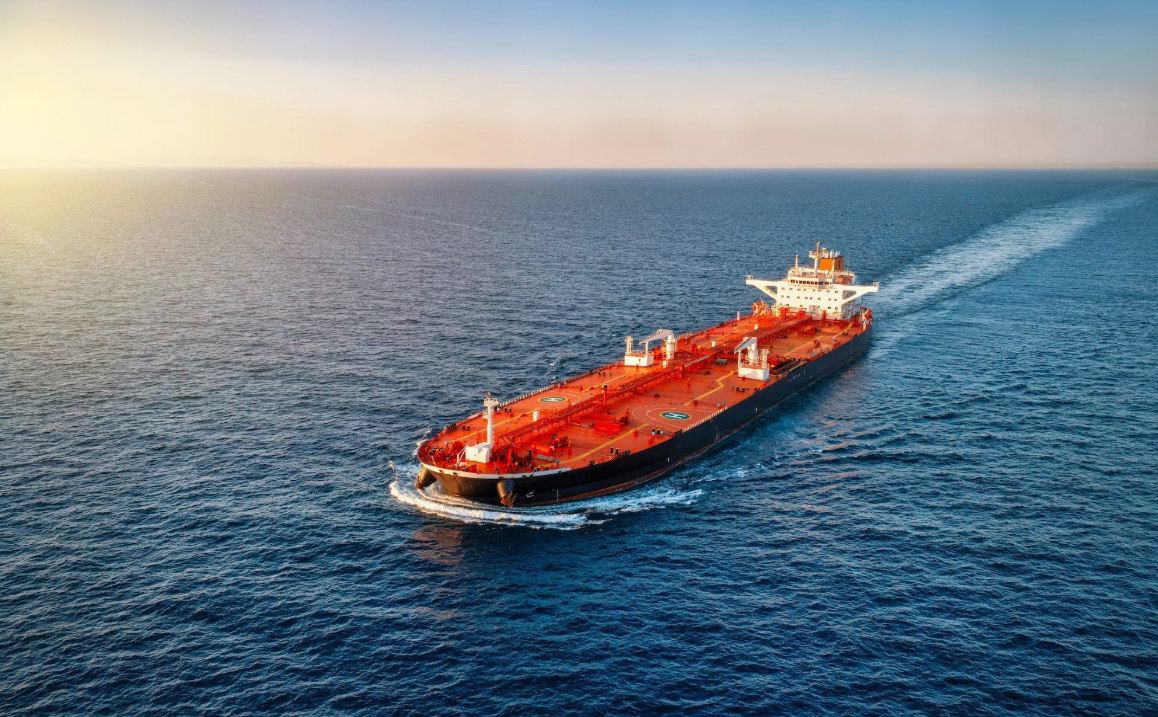
During the 2026 International Maritime Exhibition in Greece held last week, the current tanker boom and the potential risks it poses for triggering the next recession became a hot topic of discussion within the industry.
Driven by the conflict in the Middle East, the global shipping industry has undergone a reshaping of the market landscape, allowing shipping companies to reap substantial profits. Due to supply disruptions caused by the conflict, tanker freight rates have doubled compared to pre-conflict levels, surging to historic highs of hundreds of thousands of dollars per day during certain periods.
However, the ongoing disruption to traffic through the Strait of Hormuz has also significantly reduced cargo volumes. If the blockade persists, it could ultimately erode shipping companies’ earnings. Should the conflict ultimately dampen long-term demand, it will inevitably impact shipping companies’ profitability.
George Economou, founder of Greek shipping giant TMS Group, said, “The current situation is ‘slightly better’ than during the market boom of 2004–2008, but if this continues, it will be detrimental to the tanker industry.”
Shipbroker Braemar noted: “Recent tanker orders, particularly for VLCCs, are indeed a cause for concern, but newbuild deliveries can easily be offset by the retirement of older tankers, thereby keeping fleet growth at a manageable level.” The firm’s baseline forecast is that the tanker market will weaken over the next 12 months due to a lagging demand recovery and supply growth outpacing demand, followed by the phasing out of older, less fuel-efficient vessels beginning in the second half of 2027.
In contrast, Breakwave Advisors takes a more pessimistic view: “The recent sharp surge in freight rates has prompted shipowners to place a large number of newbuild orders, and the current order book is already above average. Although this supply-demand imbalance is modest in the short term, it is expected to create a significant negative balance in the long run, which could trigger a downturn.”
Bloomberg data shows that since the outbreak of the U.S.-Iran conflict, the combined market capitalization of the 15 largest publicly traded tanker companies once exceeded $60 billion. By early 2026, the combined market capitalization of these companies had fallen below $30 billion, but it doubled in just a few months. This sharp surge in market value underscores the booming market conditions in the tanker industry.
Sinokor Maritime, a long-established South Korean shipowner, has been aggressively acquiring VLCCs, serving as another key driver of the market’s fervor. With financial backing from Mediterranean Shipping Company (MSC), the world’s largest shipowner, Sinokor Maritime has recently been purchasing second-hand VLCCs at premium prices, with its cumulative purchases potentially exceeding 100 vessels.
Sinokor Maritime’s aggressive moves in the second-hand VLCC market have prompted several tanker owners to sell their VLCC assets in succession. This allows them to downsize their fleets, recoup capital, and use part of the proceeds to order new vessels, thereby driving up VLCC order volumes. At the same time, this move has driven a sharp surge in second-hand vessel prices. According to Clarksons data, the current selling price for a 10-year-old VLCC is approximately $115 million, reaching its highest level since 2008.
Halvor Ellefsen, a director at Fearnleys Shipbrokers UK, noted: “The current boom in the VLCC market bears a striking resemblance to the market conditions in 2008.”
Some shipowners have pointed out that the large number of sanctioned vessels makes newbuilding orders inevitable. Clarksons data shows that the average age of the VLCC fleet has reached its highest level since 1998, further intensifying the need for fleet renewal.
If we expand our view from the tanker fleet to the entire newbuilding market, the same risks are present. Currently, order volumes in the global newbuilding market have reached their highest level in 14 years.
George Youroukos, Executive Chairman of Global Ship Lease, a global container leasing giant, stated bluntly at the Capital Link Maritime Summit: “The biggest risk facing the shipping industry right now is that shipowners have excess capital and are placing orders blindly.”