


The takeover battle between two leading players in the dry bulk shipping sector is intensifying. Genco Shipping & Trading has rejected—for the third time—an all-cash acquisition offer from Greek dry bulk owner Diana Shipping. The latter has launched a scathing attack on Genco’s Board of Directors, accusing them of refusing to negotiate and of taking actions to hinder shareholders from realizing value following the rejection of the latest offer.
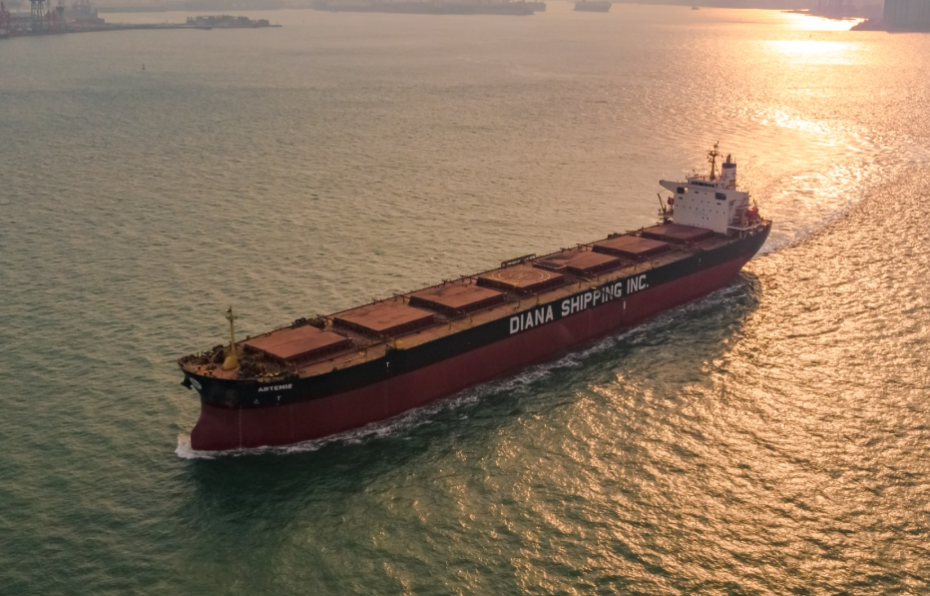
On June 2, Diana issued a strongly worded statement responding to Genco’s rejection of its all-cash takeover offer of $24.80 per share; the statement urged shareholders to replace six directors at Genco’s Annual Meeting of Shareholders on June 18 and to tender their shares directly to Diana’s takeover offer.
To date, Genco’s Board of Directors has rejected Diana’s acquisition proposal three times. As Genco’s largest shareholder, Diana stated that this latest rejection of its acquisition proposal “clearly confirms” that Genco’s directors have no intention of engaging in discussions regarding a potential transaction.
Diana has consistently offered to acquire Genco at approximately 1.0x its NAV, calculated based on the same VesselsValue broker valuations Genco itself used for more than five years, including for purposes of calculating the market value of Genco’s fleet in its Q4 2025 earnings presentation published in February 2026, which is still available on Genco’s website. When Genco became increasingly desperate in its six-month campaign to avoid engaging with Diana, instead of negotiating in good faith, it adopted a valuation methodology based on a range of sell-side analyst estimates it had never previously utilized for this purpose, with Genco separately calculating the market value of its fleet for its Q1 2026 earnings presentation based on valuations from two unnamed brokers. While Genco correctly notes that NAV estimates are intended to reflect a company’s liquidation value, the NAV estimates that Genco touts fail to take into account the cost of selling Genco’s fleet and liquidation, including brokerage fees and the massive severance expense Genco would incur under its recently adopted “retention plan.” The Genco Board of Directors (the “Genco Board”) is using self-serving and misleading NAV figures to avoid engagement, manufacture a basis for rejection, and further entrench itself rather than maximizing value for the shareholders they are supposed to serve.
Beyond Genco’s shifting NAV methodology, its unfounded demand for a control premium on top of already inflated analyst NAV estimates at cyclically high asset values is inconsistent with how publicly traded shipping companies have traded historically and are currently trading. Genco’s shares have traded at an average 30% discount to NAV since 2020, and shares of other dry bulk companies trade at similar discounts. Accordingly, a price at approximately 100% of NAV, like that proposed by Diana, already reflects a significant control premium. In fact, comparable shipping take-private transactions over the last five years have been completed at an average of only 82% of NAV. If the Diana offer is removed, the historical record is clear: Genco stock would likely revert toward approximately $18.00 per share as it returns to its historical trading discount. This works well for CEO John Wobensmith and Genco’s so-called “independent directors” who have little equity in the Company and may get to keep their roles at Genco. It does not work for Genco shareholders who will suffer from a much lower share price.
Diana’s NAV calculation for Genco, including a full breakdown of VesselsValue fleet valuations and balance sheet adjustments both inclusive and exclusive of Genco’s newly adopted severance plan.
Diana calls on the Genco Board to take two concrete steps that would demonstrate it is acting in good faith on behalf of shareholders:
• Full transparency on NAV calculations: Genco should provide a complete, line-by-line disclosure of the fleet values, balance sheet adjustments and per share figures underlying the NAV numbers it is using to justify its rejection of Diana’s offer. Not a range from sell-side analysts — a full accounting of the actual inputs. If Genco is confident in its numbers, they should be able to withstand scrutiny.
• An independent valuation process: Diana believes the time has come to take the NAV debate off the table by engaging in an objective, market-based process to reach a fair valuation. In this process, Diana and Genco would each select a broker to participate and the two parties would agree on a third. Diana is prepared to be bound by such a process and, if Genco is confident in its numbers, it should be as well.
Diana also calls on the Genco Board to remove its poison pill immediately and allow shareholders to make their own decision regarding Diana’s offer. Genco adopted its pill without shareholder approval, amended it multiple times without approval, and structured it to make any qualifying offer effectively impossible. Removing it would cost shareholders nothing and give them everything — the ability to act on a fully financed, all-cash premium offer without interference from an entrenched board.
Diana urges all Genco shareholders to vote the GOLD universal proxy card “FOR” each of its six independent nominees and WITHHOLD on Genco’s nominees. Diana also urges shareholders to tender their shares pursuant to Diana’s tender offer at $24.80 per share in cash. The proxy vote and the tender offer are independent of each other — shareholders can and should act on both opportunities.