

A series of legal disputes surrounding South Korea’s first domestically developed LNG cargo tank technology (“KC-1”) has concluded, with Korea Gas Corporation (KOGAS), the developer of the “KC-1” technology, ordered to pay substantial compensation to the shipbuilder.
According to the Chosun Ilbo, the Seoul Central District Court in South Korea recently ruled in a lawsuit filed by Samsung Heavy Industries against KOGAS, finding KOGAS primarily responsible and ordering it to pay Samsung Heavy Industries 299.597 billion won (approximately US$204 million) in compensation for losses incurred by the shipbuilder due to design defects in the “KC-1” system.
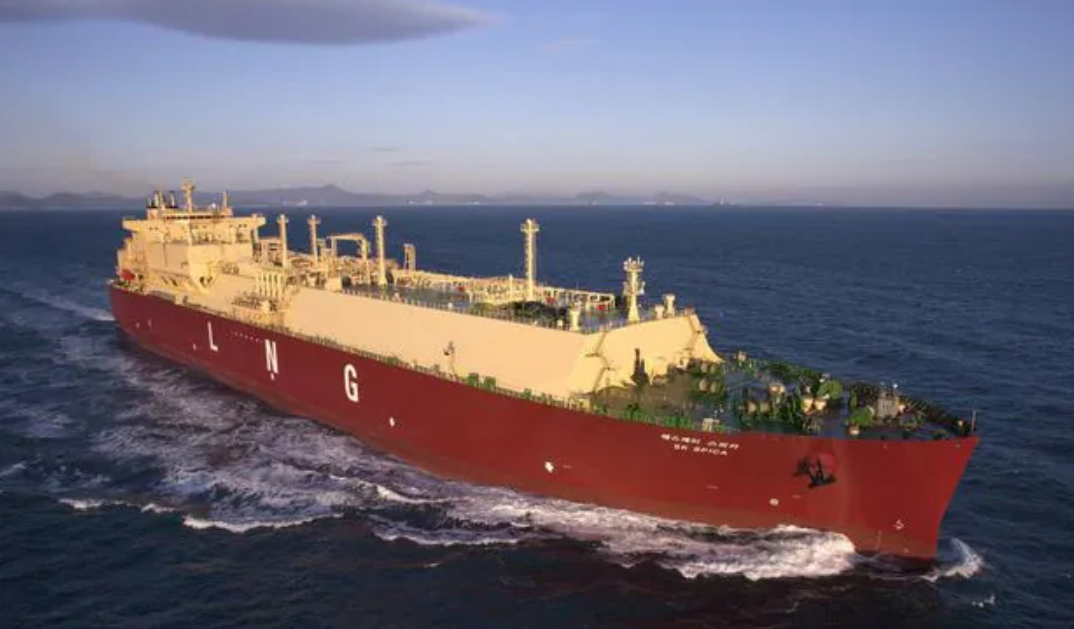
The two LNG carriers involved in this dispute are the “SK Serenity” and the “SK Spica”. Both vessels have a capacity of 174,000 m³ and are equipped with South Korea’s domestically developed first-generation LNG carrier technology, “KC-1”. Samsung Heavy Industries signed the construction contract with the shipowner, SK Shipping, in January 2015, and delivered the vessels in February and March 2018, respectively.
However, after delivery, SK Shipping discovered defects in the two vessels, including natural gas leaks, cracks, and ice on the outer walls. This necessitated four return trips to the shipyard for repairs, incurring costs exceeding 100 billion won. Since their delivery in 2018, the two newbuilds have never completed a single full voyage and have remained completely idle following a six-year suspension of operations.
SK Shipping claims that due to delays in repairing defects in the liquid cargo tanks, the company has suffered damages including depreciation of the vessel and loss of operation. Consequently, it has filed a damages claim against Samsung Heavy Industries at the London Maritime Arbitrators Association (LMAA).
In addition, SK Shipping filed a lawsuit in South Korea, claiming that KOGAS, which was responsible for developing the “KC-1” technology, should also be held liable and is seeking 115.8 billion won in compensation. Since 2019, Samsung Heavy Industries, SK Shipping, and KOGAS have been involved in multiple rounds of litigation regarding defects in these two LNG carriers.
In December 2023, the London Maritime Arbitrators Association ruled that Samsung Heavy Industries must pay SK Shipping substantial damages, citing defects in the LNG carrier’s cargo tanks constructed by the shipbuilder and the failure to fully repair them within a reasonable repair period.
In April 2024, Samsung Heavy Industries announced that it had paid 396.4 billion Korean won in compensation and 27.6 billion won in settlement fees to the shipowner, in accordance with the ruling of the London Maritime Arbitrators Association. At the same time, Samsung Heavy Industries maintained that the responsibility “rested entirely with KOGAS”, and therefore decided to file a lawsuit against KOGAS and seek compensation to recover the payments made to SK Shipping.
On January 16, 2026, a court in Seoul, South Korea, ruled that KOGAS was liable for damages. The court explained: “KOGAS should have exercised due diligence to develop flawless technology that would ensure the basic safety of the new cargo tanks, but failed to fulfill this obligation. This failure constitutes an illegal act caused by KOGAS’s negligence.”
However, the court also determined that Samsung Heavy Industries bore some responsibility, ultimately setting KOGAS’s compensation amount at 299.597 billion South won.
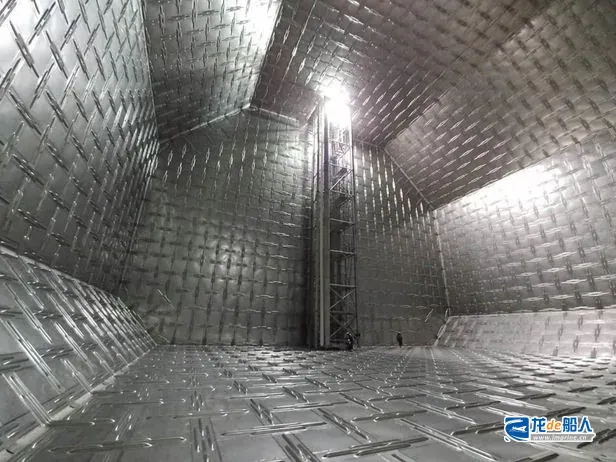
It is understood that “KC-1” is an LNG carrier cargo tank technology developed by South Korea over a period of 10 years. The cargo tank is a core and critical system of LNG carriers, a technology currently monopolized by France’s GTT.
According to South Korean media reports, for each LNG carrier built, South Korean shipbuilders have to pay GTT a patent royalty and design fee equivalent to 5% of the vessel’s price. This significantly reduces the shipbuilders’ profitability, which is why South Korea has been working to develop its own domestic LNG cargo tank technology.
Although the first-generation “KC-1” technology failed, South Korea is actively promoting its domestically developed second-generation LNG cargo tank technology, “KC-2,” and is focusing on improving the shortcomings of “KC-1.”
In October 2025, Samsung Heavy Industries announced that it had successfully installed and delivered the first domestically produced Korean LNG cargo tank, the “KC-2C,” on a 7,500 cubic meter commercial LNG carrier. The vessel has completed its maiden LNG transport mission from Tongyeong, South Korea to the Aewol LNG Terminal in Jeju. Samsung Heavy Industries stated that the next step will involve equipping the 174,000 m³ large LNG carrier with the “KC-2C” liquid cargo system.