


Former Navy Commander A, who served as a representative of a defense company, was sentenced to imprisonment for allegedly illegally transferring core technologies—including submarine design blueprints developed during the Daewoo Shipbuilding & Marine Engineering era (now Hanwha Ocean)—overseas. This marks the first time a South Korean court has confirmed the illegal leakage of defense technology to foreign entities for weapons development purposes.
According to South Korean media reports, the Changwon District Court recently sentenced A, a representative of a defense company, to two years and six months in prison for violating South Korea’s Foreign Trade Act. The court also imposed a fine of 15 billion won (approximately US$0.10 billion) and a forfeiture order of 95 billion won (approximately US$0.66 billion) on A’s defense company. Two former Daewoo Shipbuilding & Marine Engineering technicians who collaborated with A to steal technology were each sentenced to one year and six months in prison, while two other individuals involved received suspended sentences.
Previous reports indicated that the leaked submarine design blueprints from Daewoo Shipbuilding & Marine Engineering were for the DSME1400 submarine. The company received an $1.1 billion submarine order from Indonesia in 2011, with delivery completed in 2019. At the time, South Korean police believed the blueprints were leaked during a collaboration between an individual (A) and CSBC Corporation, Taiwan (Taiwanese state-owned enterprise) to build the submarine.
The judgment shows that in August 2019, a former South Korean Navy lieutenant commander, identified as A, signed a $110 million contract with a Taiwanese company to manufacture and supply submarine torpedo tubes and storage compartments. In October, after traveling to Taiwan, A obtained hundreds of classified submarine documents from former employees of Daewoo Shipbuilding & Marine Engineering through the email account of his Taiwanese branch. These documents included information on torpedo tube and storage compartment systems, detailed designs, and manufacturing drawings. A then transferred the basic design, detailed design, and production design drawings to Taiwan via USB drives, CDs, and other portable storage devices.
Pursuant to the nature of the supply agreement concluded between A and Taiwan and the provisions of the Republic of Korea’s Foreign Trade Act, the export of items designated as strategic goods requires authorization from the Minister of Trade, Industry and Energy or the head of the relevant administrative agency. If classified as military goods, authorization from the Director of the Defense Acquisition Program Administration is required.
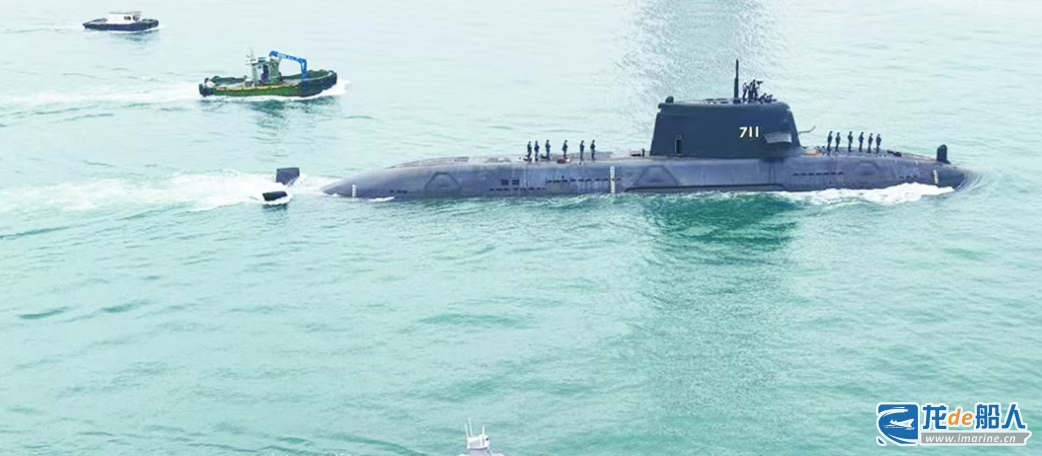
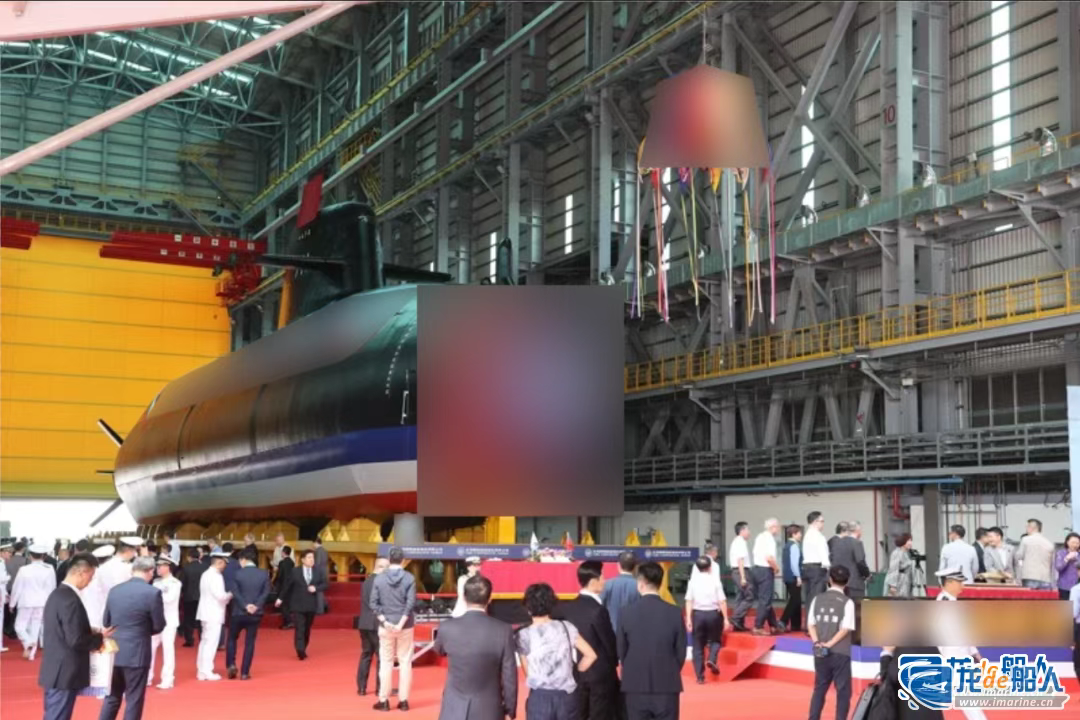
Originally lacking the relevant design drawings, A recruited four marine technicians from Daewoo Shipbuilding & Marine Engineering to participate in the crime. These four technicians went to Taiwan in August 2019 to participate in submarine construction. A South Korean court determined that the design drawings transferred by A and others were used in the construction of Taiwan’s first “indigenously built” submarine, the “Haikun”, scheduled for 2023.
In response to the court’s claims, A argued that the relevant drawings were based on reverse engineering drawings provided by Taiwan, and were refined and transformed into a design, and did not represent South Korea’s core technology. The reverse engineering drawings originated from submarines that Taiwan purchased from the Netherlands in the 1980s.
However, the court did not accept A’s defense. The reasons were: the contract clearly stipulated that the Taiwanese party providing the reverse engineering drawings did not enjoy intellectual property rights, and that the intellectual property rights belonged to A’s company; the export license was for the core drawings that were suspected of being leaked, not the so-called “refinement and conversion technology”.
Currently, the South Korean prosecution and A, among others, have appealed the first-instance verdict. The “Haikun” submarine involved in this technology leak was built in Taiwan at a cost of NT$50 billion and constructed by CSBC Corporation, Taiwan. It was launched on September 28, 2023, at CSBC Corporation, Taiwan’s Kaohsiung facility and is reportedly scheduled for delivery in 2025.