

New developments have emerged regarding the proposed merger between offshore engineering giants Saipem and Subsea7. In its latest quarterly financial report, Saipem disclosed that the proposed merger is now expected to be completed in early 2027, rather than in the second half of 2026 as previously anticipated.
The report indicates that the merger requires approval from 16 relevant antitrust regulatory bodies. To date, 13 of these authorities have granted their approval, while the European Commission, Australian regulators, and the Economic Community of West African States (ECOWAS) are still in the process of reviewing the proposed transaction.
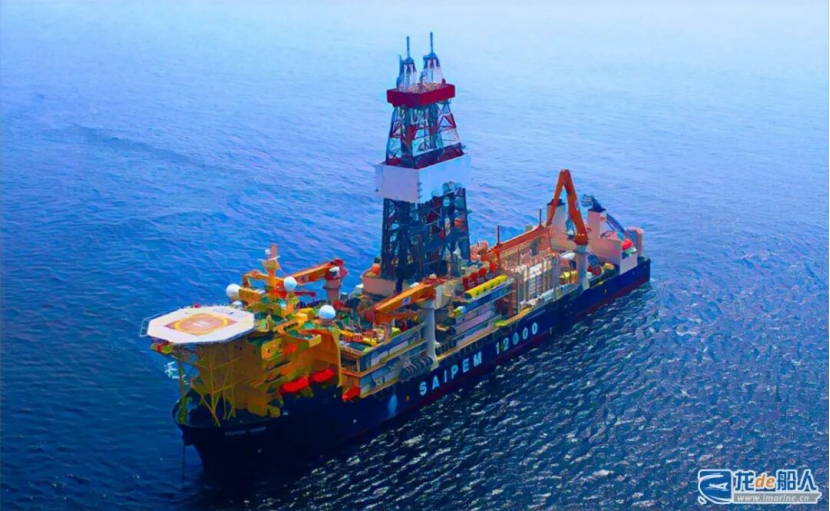
It is speculated that the delay in the proposed merger is closely linked to scrutiny by antitrust regulators, most notably the European Commission.
In July 2026, the European Commission launched an in-depth investigation into the proposed merger, citing concerns over reduced competition in the market for subsea umbilicals, risers, and flowlines (SURF). In August, the Commission announced a suspension of its review—effectively freezing the regulatory timeline as of August 25—pending the submission of supplementary information from Saipem and Subsea7. No further updates have been provided since then.
Australia’s antitrust regulator is conducting a detailed assessment of the potential impact of this proposed merger on offshore engineering services.
In addition, Brazil’s competition regulator, CADE, has granted conditional approval for the proposed merger, requiring Saipem and Subsea7 to sell the pipe-laying and heavy-lift vessel “Seven Borealis” to an independent buyer acceptable to the regulator. This measure is intended to preserve competition in deepwater subsea construction projects, with a particular focus on safeguarding projects in Brazil’s pre-salt oil fields. Subsea7 has already begun the process of seeking a buyer for the “Seven Borealis.”
The Egyptian competition authority also granted conditional approval, requiring Saipem and Subsea7 to cap profit margins on local project bids, subcontract at least 5% of the value of any won contracts to independent contractors, and submit annual compliance reports. These conditions remain in effect for three years, with the possibility of a two-year extension.
As previously reported, the proposed merger between Saipem and Subsea7 was first announced in February 2025, with a binding merger agreement signed in July of the same year. Under the terms of the agreement, the transaction will be structured as an EU cross-border statutory merger, in which Subsea7 will be merged into Saipem. The resulting entity will be named “Saipem7,” with each company holding a 50% equity stake in the new firm.
The two companies estimate that, starting from the third year following the completion of the merger, they will achieve annual synergies of €300 million. Based on 2024 figures, the combined group would have an annual revenue of approximately €21 billion, with a backlog of €430 billion as of March 2025.
The merged entity will have a workforce of approximately 44,000 employees and a fleet of over 60 vessels. Its operations will span more than 60 countries worldwide, covering offshore activities ranging from shallow-water to ultra-deepwater environments. The company will offer a comprehensive portfolio of offshore and onshore services—encompassing drilling, engineering, and construction—as well as full-lifecycle support for oilfields, including decommissioning services.
Currently, Saipem and Subsea7 are in ongoing discussions with the three remaining antitrust regulatory bodies to facilitate the completion of the transaction.