


The latest data from VesselsValue shows that the pace of new vessel deliveries in the Very Large Crude Carrier (VLCC) segment has accelerated significantly in 2026: 35 VLCCs have already been delivered this year, which is five times the total number of deliveries for all of 2025 (7 vessels).
This acceleration in deliveries is driven by a substantial order backlog. As of now, a total of 349 VLCCs worldwide are either on order or have been launched, with deliveries heavily concentrated in the coming years. Specifically, 125 and 113 vessels are expected to be delivered in 2028 and 2029, respectively.
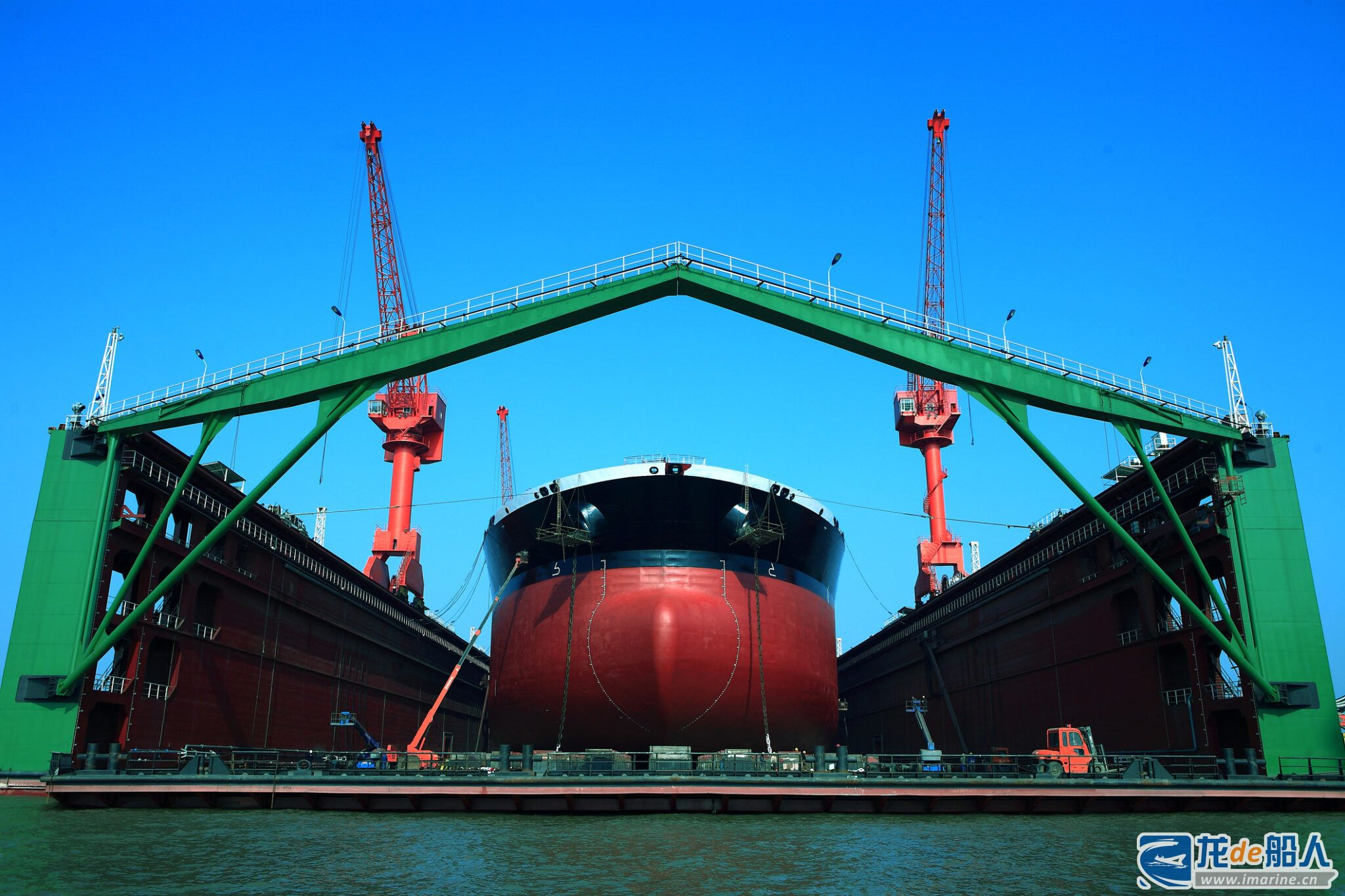
Chinese Shipbuilders Secure Over 70% of VLCC Orders
Data shows that Chinese shipbuilders holds orders for 268 VLCCs, accounting for approximately 77% of the global total, while South Korean and Japanese shipbuilders hold orders for 59 and 15 vessels, respectively. This means Chinese shipbuilders will be the dominant force in this VLCC delivery cycle.
According to VesselsValue data, of the 125 vessels scheduled for delivery in 2028, 106 will be built by Chinese shipyards.
In terms of new ship orders, global shipowners have ordered 219 VLCCs so far in 2026, far exceeding the 85 vessels ordered in all of 2025. Stronger demand for shipbuilding has simultaneously driven up the cost of new ships. Currently, the unit construction cost for a VLCC has risen to $144.51 million, a 15% increase year-over-year ($125.6 million), and is approaching the all-time high of $154 million set in October 2008.
With High Prices and Massive Orders, Why Is Demand Still Holding Steady?
Rebecca Galanopoulos, a senior content analyst at VesselsValue, stated that this surge in VLCC orders can no longer be explained solely by fleet renewal, as there are currently 349 VLCCs on order or under construction—nearly twice the number of VLCCs (183) that are 20 years old or older.
In recent years, overall tanker capacity has remained tight due to sanctions and geopolitical factors, and disruptions to shipping through the Strait of Hormuz have further exacerbated the shortage, driving VLCC spot rates to previously unimaginable levels. Supported by both tight capacity and soaring freight rates, VLCC investment returns remain attractive to shipowners despite the current high construction costs, so it is not surprising that they are placing orders.
Oil-producing countries in the Middle East are also one of the factors driving the surge in VLCC orders. Since navigation through the Strait of Hormuz has been disrupted, shipowners have generally been reluctant to transit the strait, prompting some oil-producing countries to consider acquiring or building their own VLCCs to ensure that their crude oil export capacity remains unaffected by external circumstances. This shift means that relevant shipowners are moving away from relying on chartering vessels on the open market toward taking direct control of the required shipping capacity; in addition to strong profitability, this will further boost demand for new shipbuilding.
Rebecca Galanopoulos pointed out that, in terms of the fleet’s age structure, the aging fleet also provides the market with room to adjust capacity. Currently, there are a total of 932 VLCCs in active service globally, with VLCCs aged 15 years or older accounting for 45.8% of the fleet, and 183 VLCCs aged 20 years or older. This means that if VLCC market conditions weaken in the future, a large number of older vessels may be considered for scrapping.
Overall, the global VLCC fleet is about to enter a period of rapid expansion rarely seen in recent years. Shipbuilding capacity is primarily concentrated in China, and the peak in deliveries will occur between 2028 and 2029.
To date, three factors—high profitability, tight supply of shipping capacity, and energy security concerns—have collectively offset the cost pressures resulting from construction costs nearing historic highs, thereby sustaining robust demand for newbuilds. Should market conditions change in the future, a significant portion of the aging fleet may be withdrawn from the market to alleviate supply-demand imbalances, and the balance between newbuild deliveries and scrapping volumes will become a key focus in the oil tanker market going forward.