


Data from DNV’s Alternative Fuels Insight (AFI) platform shows that in October, global shipowners placed orders for 53 vessels capable of running on alternative fuels, continuing a recovery trend that began this summer. In the third quarter, shipowners ordered 168 such vessels—the highest quarterly total in nearly two years. As of the end of October, a total of 364 alternative-fuel vessel orders had been recorded for the year.
In terms of fuel type, liquefied natural gas (LNG) remains the most popular choice, accounting for 30 new vessels in October—primarily within the container ship and car carrier segments, with 18 and 12 orders respectively. This is followed by liquefied petroleum gas (LPG) and ammonia, with 19 and 4 orders, respectively. The realization of orders for ammonia-fueled vessels marks another step toward the commercial application of this emerging fuel; however, the relevant propulsion technologies and supporting bunkering infrastructure remain in the early stages of development.
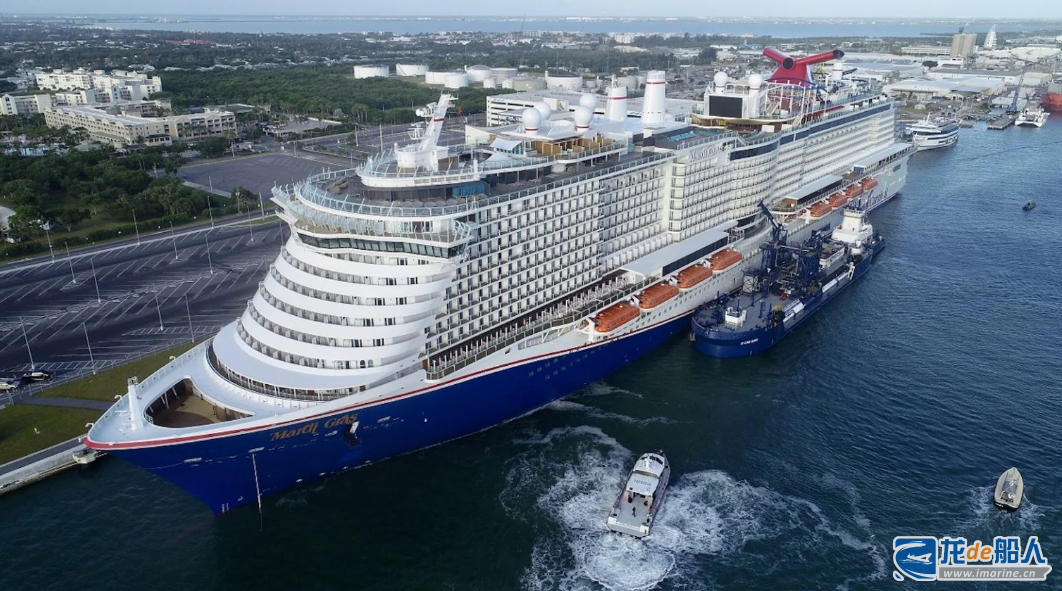
So far in 2026, global shipowners have placed orders for 230 LNG-fueled vessels, accounting for approximately 63% of the total orders for alternative-fuel vessels placed this year. By vessel type, container ships lead with 134 orders, followed by car carriers with 75; together, these two categories represent more than 90% of all LNG-fueled vessel orders in 2026.
Jason Stefanatos, Global Decarbonization Director for Maritime at DNV, stated: “The data on orders for alternative-fuel vessels in October further confirms the strong momentum in such orders that has persisted since the summer. A notable trend is that orders for LNG-fueled vessels remain concentrated primarily in the container ship and car carrier segments… LNG continues to hold a dominant position, supported by its relatively mature infrastructure and supply chain.”
In addition to a mature supply chain and an ever-expanding bunkering network, LNG-fueled vessels offer the potential for future retrofitting to accommodate low-carbon fuels—providing shipowners with greater flexibility when investing in vessels expected to remain in service for decades.
However, even as the adoption of LNG as a marine fuel grows, debate persists regarding its long-term environmental benefits—centered primarily on the issue of methane leakage. While LNG can reduce certain air pollutants compared to traditional marine fuels, its overall climate impact hinges on factors such as methane slippage and engine emissions.
Current order book data indicates that, despite the industry’s exploration of longer-term decarbonization solutions, shipowners continue to favor LNG—relying on its established commercial availability and mature infrastructure—over emerging alternative fuel technologies.