


This summer, orders for alternative-fuel vessels showed a marked recovery, with August recording the highest monthly order volume in nearly two years. LNG-dual-fuel container ships and car carriers were the key drivers of this surge in orders.
Data from the DNV Alternative Fuel Insights (AFI) platform shows that in August, global shipowners placed orders for a total of 52 alternative-fuel vessels, marking the highest monthly total since October 2024. Orders for alternative-fuel vessels were relatively weak in the first half of 2026, but based on the data from July (47 vessels) and August, orders for alternative-fuel vessels are showing signs of recovery.
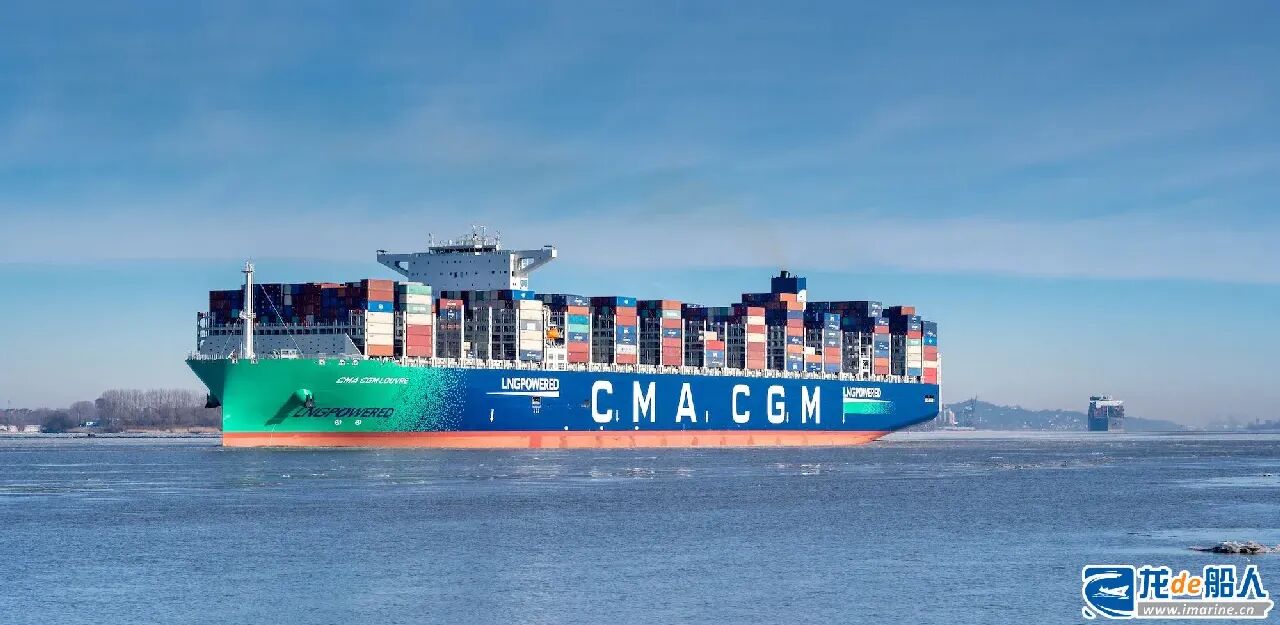
By fuel type, LNG remained the top choice for shipowners in August, with a total of 46 LNG-fueled vessels ordered, including 30 container ships and 12 car carriers. This was followed by four ethanol-fueled bulk carriers and one hydrogen-fueled bulk carrier; in addition, one LNG bunkering vessel was ordered.
Thanks to a surge in orders during the summer, the volume of alternative-fuel vessel orders for 2026 has already far exceeded that of 2025. In the first eight months of 2026, global shipowners placed orders for a cumulative total of 242 new vessels, representing a 27% increase compared to the same period in 2025.
The recovery in orders for alternative-fuel vessels stands in stark contrast to the situation in the first half of 2026. In the first half of 2026, DNV recorded 137 orders for alternative-fuel vessels, down from 155 in the first half of 2025; by contrast, orders for alternative-fuel vessels increased by approximately 100 in July and August alone.
Amid this rebound in ordering activity, LNG-fueled vessels continue to dominate, accounting for 63% of total alternative-fuel vessel orders so far in 2026. Container ships make up 59% of this total, followed by car carriers at 30%.
Jason Stefanatos, Director of Global Decarbonization at DNV, stated: “LNG remains the fuel of choice, driven primarily by the two major shipping markets: container and car carriers. This is because these two sectors have been early adopters of alternative fuels, have established stable operating models, and are facing increasing demand from shippers to reduce overall emissions across the supply chain.”
For shipowners, as the industry continues to evaluate long-term alternatives, LNG offers the advantages of low emissions, ample fuel supply, and flexibility.
The latest data also shows that shipowners remain willing to explore options beyond LNG. For example, orders for ethanol- and hydrogen-fueled vessels emerged in August, following earlier orders for ammonia-, methanol-, liquefied petroleum gas (LPG)-, and ethane-fueled vessels. In the first half of 2026, orders for LPG- and ethane-fueled vessels surged from just 15 in the same period last year to 55.
This trend toward fuel diversification indicates that the shipping industry’s energy transition has not yet settled on a single path. LNG has emerged as the clear frontrunner in the short term, particularly in areas where it can rely on mature refueling infrastructure; at the same time, as regulations become increasingly stringent and supply chains continue to evolve, shipowners are still making modest bets on fuels that may play a greater role in the future.
Jason Stefanatos noted: “Fuel choices vary across different market sectors, but the overall level of activity indicates that investment in low-emission shipping continues.”