


DNV, leveraging its Alternative Fuels Insights platform, released its latest analysis of the order book, stating that the growth rate of orders for alternative-fuel vessels slowed in 2026. As of the end of May 2026, the share of alternative-fuel vessel tonnage had declined significantly compared to the same period last year.
Jason Stefanatos, Global Decarbonization Director at DNV’s Maritime Division, stated: “While orders for alternative-fuel vessels have fluctuated compared to 2025, it is becoming increasingly clear that shipowners are no longer betting on a single fuel. When making long-term asset decisions, shipowners are increasingly inclined to adopt a comprehensive approach that considers a combination of factors, including managing fuel flexibility, investment timing, and future regulatory risks.”
The report states that shipowners must balance investments in new technologies against the risk of creating “stranded assets”—assets that may become obsolete before the end of their planned economic life. Persistent regulatory uncertainty and diversity are putting pressure on the shipping industry.
In October 2025, the United States and other countries successfully blocked the International Maritime Organization (IMO) from advancing its “Net Zero Framework,” and the April 2026 meeting also failed to propose a clear path forward, further exacerbating regulatory uncertainty. There is widespread concern within the industry that this will lead to a fragmented regulatory landscape across different regions in the future.
Data from the DNV Alternative Fuels Insights Platform shows that as of May 31, 2026, global shipowners had placed orders for a total of 119 alternative-fuel vessels, with orders heavily concentrated on more mature fuel types: LNG-powered vessels ranked first, accounting for 50% of the total. In the first five months of this year, orders for methanol, ethanol, and ammonia-fueled vessels each totaled four, while orders for hydrogen-fueled vessels were even fewer, at just one.
These figures stand in contrast to current market trends: orders for methanol-powered vessels once nearly matched those for LNG-powered vessels, and at certain times, new orders for ships using these two alternative fuels were almost on par. As LNG fuel has regained momentum, DNV statistics show that global orders for LNG-powered vessels have now reached 663, more than double the number of methanol-powered vessels (313), though the latter still holds a solid second place in total orders. LPG-powered vessels remain a niche market, with only 197 vessels ordered.
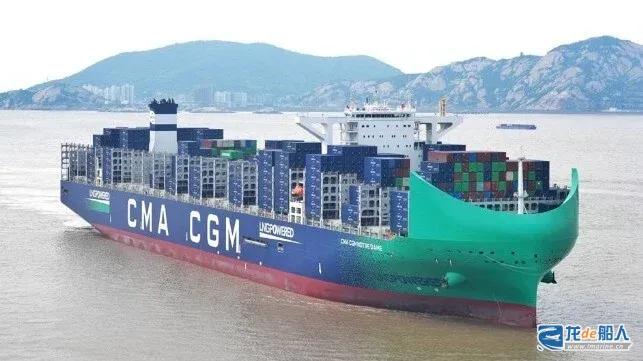
The number of orders for alternative-fuel vessels varies across different ship types. In the first five months of this year, a total of 60 LNG-powered vessels were ordered, with container ships and car carriers ranking first and second, with 42 and 12 vessels, respectively.
Jason Stefanatos explained: “As in previous years, container ships remain the primary market for alternative-fuel vessels, but the market landscape is shifting. Although newbuilding orders remain strong overall, shipowners are beginning to shift their focus toward small and medium-sized container ships, while orders for ultra-large container ships—which have traditionally favored alternative fuels—have declined. At the same time, order activity for alternative-fuel vessels is increasing in the tanker and bulk carrier sectors.”
Previously, major global container shipowners placed a flurry of orders for ultra-large container ships, driving order volumes in that segment to record highs. Now, many shipowners have shifted their focus to feeder container ships that can support their hub-and-spoke networks. DNV notes that most feeder container ships—and even medium-sized container ships—still run on conventional fuels, partly due to supply issues and the smaller size of ports. This trend is already reflected in current orders.
DNV data indicates that conventional fuels continue to dominate the merchant shipping market; in terms of deadweight tonnage, more than 95% of the global fleet in service uses conventional fuels, and in terms of the number of vessels, this figure may be as high as 99%. Large vessels are leading the way in the adoption of alternative fuels, with 35% of orders (by gross tonnage) featuring alternative fuel capabilities, while only 15% of the total order book consists of alternative fuel vessels.
This trend continued into May 2026. According to a DNV report, total orders for alternative-fuel vessels in May stood at 36, including 26 LPG/ethane carriers, 8 LNG-powered vessels, and 2 ethanol-powered bulk carriers. Notably, there were no orders for methanol-powered vessels, while ammonia- and hydrogen-powered vessels are still awaiting further technological and infrastructure developments.
Although overall orders for alternative fuels have slowed, DNV believes that shipowners are still moving forward with fuel and technology decisions amid an evolving regulatory and market environment.