


Investment in alternative fuel-capable newbuildings in the first quarter slipped 40% from the same period last year, with only five dual-fuel ships ordered in March. The sharp decline in ordering follows the delay in adopting IMO’s Net-Zero Framework in October 2025 and the onset of the Middle East conflict in late February.
Data for Q1 2026 from DNV’s Alternative Fuels Insight (AFI) product manager, Kristian Hammer, reveals 45 alternative fuel newbuilds were ordered during the first three months of the year, down from 73 in 2025. What is particularly noteworthy this quarter is the shift towards LNG and the absence of methanol- and ammonia-capable newbuilds. Some 93% of the dual-fuel ships ordered were either LNG (32 units) or LPG (10 units). In the first three months of 2026, only two methanol dual-fuel ships, one hydrogen-fuelled vessel and no ammonia-capable ships were ordered. According to DNV data, no ammonia dual-fuel tonnage has been ordered since July 2025.
However, the energy landscape is rapidly evolving. Given the destruction of critical LNG production capacity in Qatar and the wider Middle East, owners’ attitudes towards ordering LNG dual-fuel tonnage could change in the months ahead.
Robust deliveries
In March, two LNG-fuelled car carriers, two LPG carriers and one methanol-capable platform supply vessel were ordered. While he described March as “a slow month” for ordering, Mr Hammer noted strong growth in the global operational fleet, with 60 alternative-fuelled vessels delivered in the first three months of the year. This includes 27 LNG-fuelled and 17 methanol-fuelled vessels, reflecting the robust order pipeline built up in these segments over the past three to four years.
Even so, DNV regional president, Americas, Craig Koehne, noted that 91% of the existing global fleet remains capable only of using conventional marine fuels. This means, he said, shipping needs to focus on the “other side of the decarbonisation coin” – energy efficiency – while IMO member states debate the net-zero regulatory framework for reducing emissions from shipping.
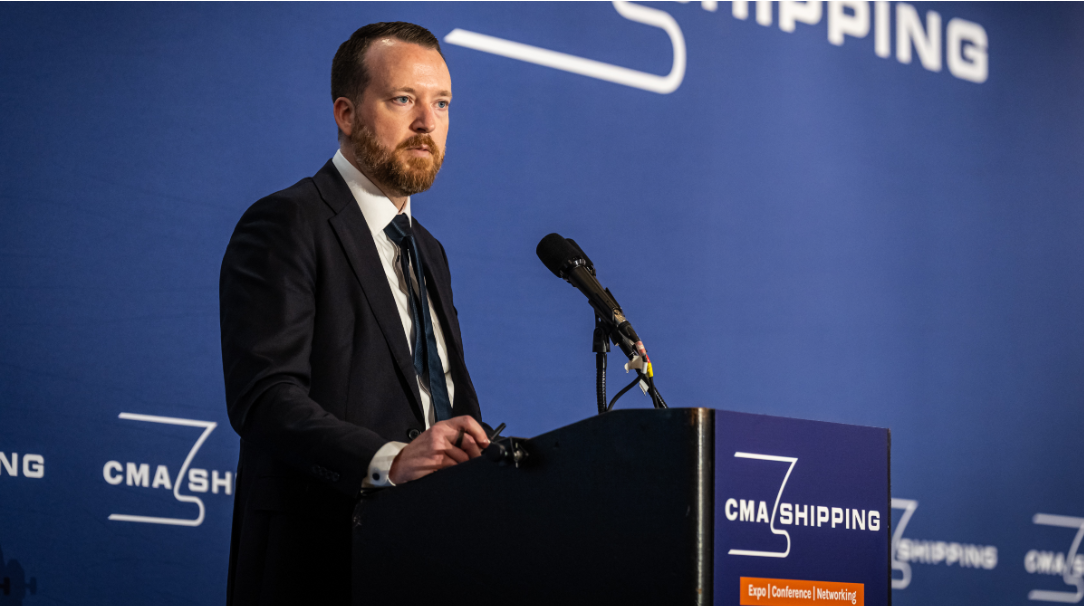
“The best fuel is the fuel you don’t have to burn,” Mr Koehne told delegates at CMA Shipping 2026 in March. By adopting energy-efficiency measures now, he said, operators will save on burning alternative fuels that are “two, three, five times more expensive” in the future. He added that energy-efficiency measures and technologies could generate fuel savings of 16% in the existing maritime fleet by 2030. These measures cover everything from how cargo is handled to improvements in a vessel’s hydrodynamic performance to energy harvesting using wind-assisted propulsion.