

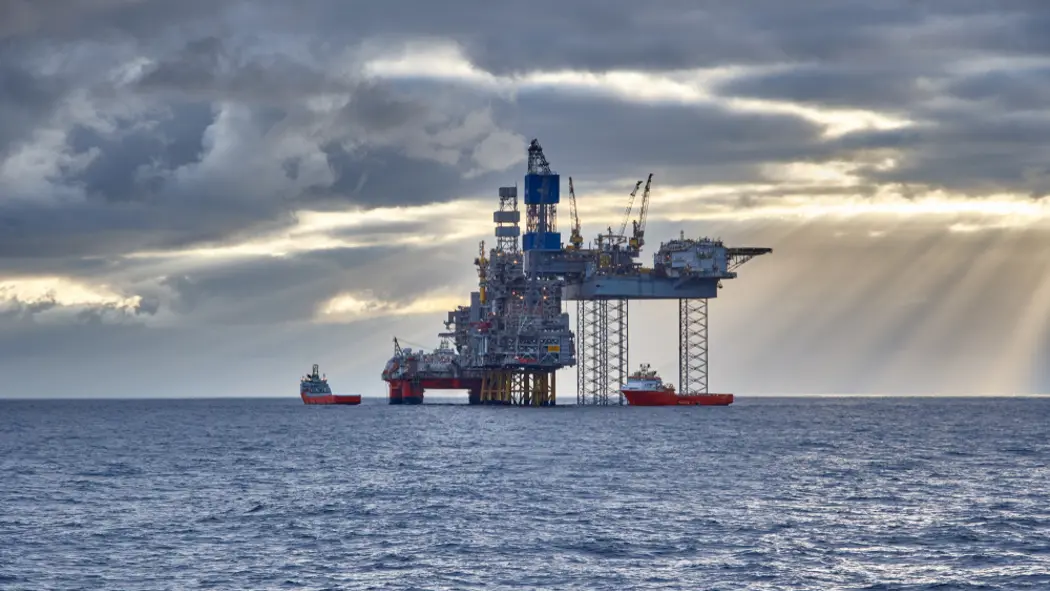
On January 8, Norwegian energy giant Equinor announced the signing of 12 framework agreements with seven suppliers, with a total contract value of nearly $10 billion. Among these suppliers, three are new entrants to the maintenance and retrofitting sector.
The seven suppliers are Aibel; Aker Solutions; Wood; Rosenberg Worley; Head Energy; IKM Gruppen; and Apply. The final project allocation will be determined upon contract signing, scheduled for the fourth week.
The relevant agreements will come into effect in the first half of 2026, for a period of five years, with options for extensions of three and two years. These agreements will lay the foundation for the safe and efficient operation of Equinor’s offshore facilities and onshore plants in the coming years.
To support the ambition of maintaining production around 1.2 million barrels of oil equivalent per day (2020 level) on the Norwegian continental shelf towards 2035, Equinor plans to:
- Invest about NOK 60–70 billion annually in increased recovery and new fields on the Norwegian continental shelf.
- Drill around 250 exploration wells and about 600 wells for increased recovery.
Perform 300 well interventions annually and around 2,500 modification projects. - Mature and develop over 75 subsea developments that can be tied to existing infrastructure.
- Reduce own greenhouse gas emissions towards nearly 50% by 2030 (compared to 2015 figures), while delivering stable and predictable energy supplies to Europe.
- Invest in maintenance and modifications at installations and onshore facilities to strengthen safety and maintain high regularity, while reducing climate and environmental footprints.
Regarding its environmental footprint, Equinor is committed to reducing greenhouse gas emissions by nearly 50% from 2015 levels by 2030, while ensuring a stable and reliable energy supply for Europe.
Equinor’s framework agreements with seven suppliers are strategically significant and represent one of the largest contract portfolios the company has awarded to date.
“The Norwegian continental shelf will remain the backbone for Equinor for a long time. Our ambition is to maintain a high production level and predictable energy deliveries to Europe towards 2035. At the same time, the shelf is entering a mature phase that will require new solutions. To succeed, we must, together with the supplier industry, find new ways of working that strengthen our competitiveness. These agreements facilitate long-term collaboration and continuous improvement on core tasks at Equinor’s offshore installations and onshore facilities in Norway,” says Kjetil Hove, executive vice president for the Norwegian continental shelf at Equinor.