


The latest data shows that alternative marine fuels are mainly concentrated in new ship orders, while the existing fleet relies more on progressive energy-saving retrofit programs to reduce emissions.
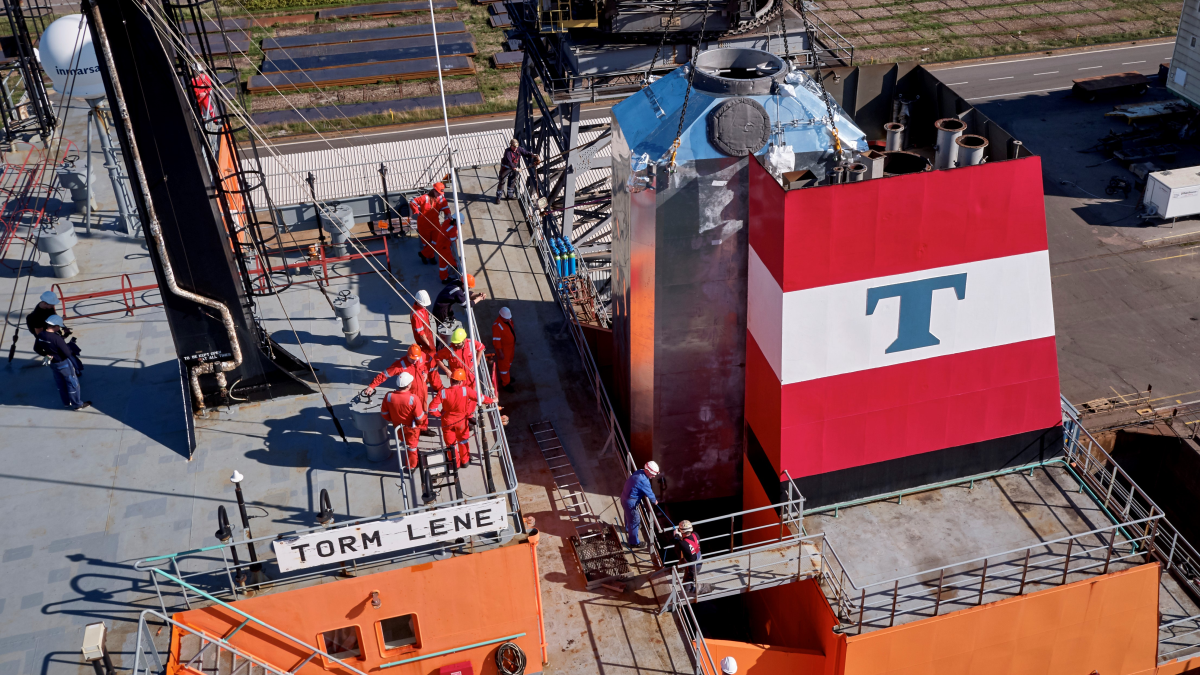
According to Clarkson data released on January 1, 2026, the adoption of alternative marine fuels in early 2026 will remain primarily concentrated in new ship orders, while the existing fleet will continue to focus on retrofitting energy efficiency enhancement equipment and emission control devices.
Clarksons reports that the number of vessels equipped with alternative fuels in the active fleet has reached 2,756, accounting for approximately 2% by vessel count and 9% by gross tonnage (GT). Regarding new ship orders, the total number of alternative fuel vessels ordered stands at 2,036, representing 26% by vessel count and 47% by GT.
By fuel type, liquefied natural gas (LNG)-fueled vessels are the most numerous, totaling 1,560 vessels; methanol and liquefied petroleum gas (LPG)-fueled vessels are relatively fewer in number; and vessels equipped with battery power systems number 800. However, Clarkson cautions in its January 2026 Green Technology Application Report: ” Since some vessels are capable of using multiple alternative fuels, they may be counted in multiple corresponding categories, resulting in duplicate statistics.”
The report also points out that port infrastructure continues to expand: currently, 222 ports worldwide have launched LNG bunkering services, with related facilities under construction at another 62 ports; 285 ports have launched shore power connection services, with related facilities under construction at another 79 ports. While the methanol bunkering business is smaller in scale, it is showing a growth trend, with 25 ports currently in operation and another 23 ports having methanol bunkering facilities under construction.
In terms of marine emissions and energy efficiency equipment, scrubbers remain the most widely deployed single equipment category in the active fleet when measured by deadweight tonnage share. Clarkson data indicates that 6,912 vessels worldwide are fitted with scrubbers, accounting for 31% of the fleet’s total deadweight tonnage.
Additionally, Clarksons data indicates that 5,563 vessels in the global fleet have installed selective catalytic reduction systems or exhaust gas treatment systems for nitrogen oxides, while 369 vessels are equipped with air lubrication systems. Carbon capture systems remain in the early stages of adoption, with only 58 vessels in the fleet currently fitted with such technology.
Clarkson stated that the data used in its January 2026 Green Technology Application Report was conservative, noting that “the relevant data is based on equipment information already declared by merchant fleets and may underestimate the actual total application volume.” It further clarified that the data “does not include vessels awaiting retrofitting.”