


After years of delays, Zvezda Shipyard, a subsidiary of Rosneft, has successfully delivered Russia’s first domestically built liquefied natural gas (LNG) carrier. The vessel’s deployment will help Russia’s Arctic LNG 2 project circumvent Western sanctions and enable year-round LNG shipments through the Northern Sea Route.
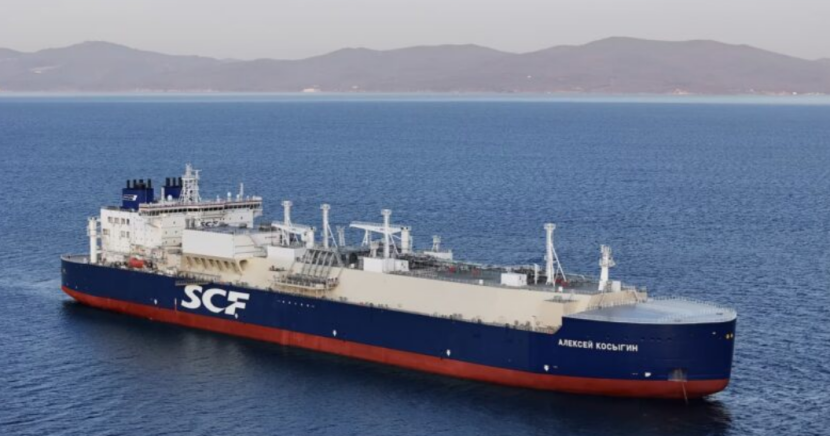
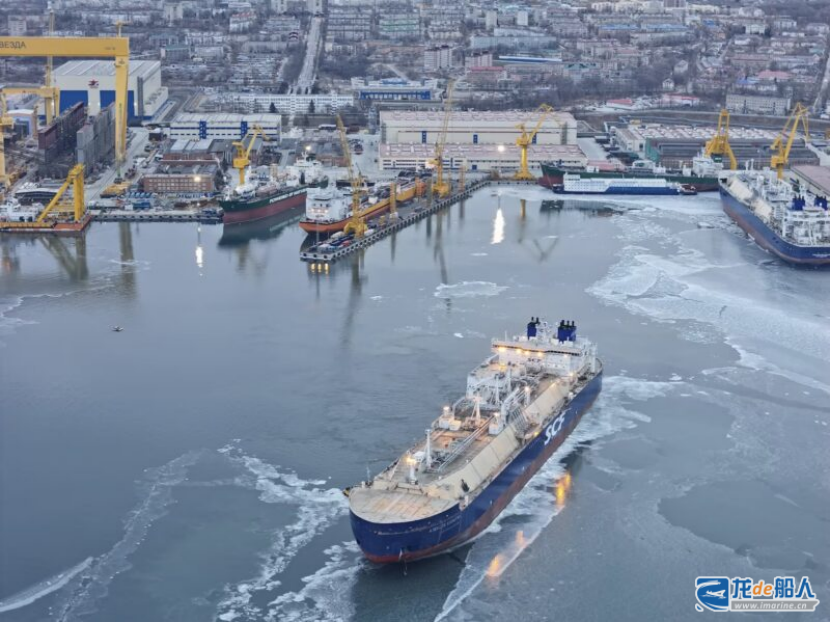
On December 24, Rosneft announced on its official website that its Zvezda shipyard, which it leads the operation of, had delivered the ARC7 ice-class LNG carrier “Alexey Kosygin” to Russian shipping giant Sovcomflot. This vessel is the first in a series of LNG carriers built by the Zvezda shipyard for the Arctic LNG 2 project, and is also Russia’s first domestically produced ice-class LNG carrier.
The “Alexey Kosygin” was originally scheduled for delivery in early 2023, but delays were caused by equipment supply constraints. This vessel is one of 22 new ship design contracts (not construction contracts) signed between Zvezda Shipyard and Samsung Heavy Industries between 2019 and 2022 (15 ARC7 ice-class LNG carriers and 7 shuttle tankers). Samsung Heavy Industries is responsible for providing hull blocks, equipment, and technical support; the total contract value is as high as $4.2 billion.
However, this mega-deal was forced to terminate due to the escalating conflict between Russia and Ukraine. Samsung Heavy Industries ultimately delivered only five LNG carrier hulls to Zvezda Shipyard, including the “Aleksey Kosygin,” while the contracts for the remaining ten LNG carriers were cancelled. Samsung Heavy Industries and Zvezda Shipyard are currently in litigation over the cancellation of the shipbuilding contract.
The Alexey Kosygin, which has been placed on the U.S. sanctions list, is crucial for energy projects north of the Arctic Circle, ensuring the transport of LNG via the Northern Sea Route during the autumn and winter seasons. Currently, most LNG carriers serving the Arctic LNG 2 project lack icebreaking capabilities, and Western sanctions have severely limited the potential for fleet expansion.
It is understood that the Arctic LNG 2 project, spearheaded by Sovcomflot, holds significant strategic importance for Russia’s energy strategy—the country aims to triple its LNG production capacity by the end of this decade, with this project serving as a crucial pillar for achieving that goal. Although international sanctions pose a threat to Russia’s strategic objectives, China’s decision to procure LNG produced by the Arctic LNG 2 project may offer a turning point for realizing these targets.
Since August, China has been importing natural gas from the Arctic LNG 2 project via the North Sea receiving terminal, having received approximately 20 shipments from Russia by mid-December. However, due to winter sea ice hindering exports, the Arctic LNG 2 project has been forced to reduce production. To date, only one ARC7 ice-class LNG carrier with year-round icebreaking capability has been confirmed: the Christophe de Margerie. The delivery of the “Alexey Kosygin” will provide additional transport capacity for the Arctic LNG 2 project.
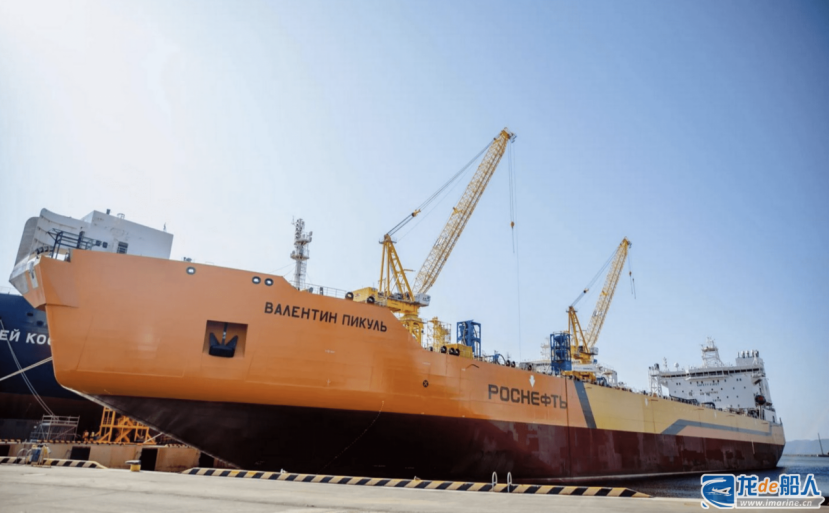
It is worth noting that, in addition to the aforementioned “Alexey Kosygin”, Zvezda shipyard also delivered the ice-class shuttle tanker “Valentin Pikul” for the first time earlier this year. The vessel has a deadweight of 69,000 tons and will transport oil from the Valande offshore loading and unloading system in the Pechora Sea (the world’s northernmost continuously operating oil terminal) to the Murmansk transshipment center.
Affected by Western sanctions, Russia’s shipbuilding industry has faced extraordinary difficulties. To resolve the industry’s predicament, Russia has adopted self-rescue measures such as internal consolidation to advance shipbuilding development, but with limited results.
Taking the Zvezda shipyard as an example, VTB Bank originally planned to acquire it from Rosneft, with the deal receiving support from Russian President Vladimir Putin. However, the transaction ultimately failed to materialize as expected. The reason for this was that VTB’s subsidiary, the United Shipbuilding Corporation (USC), could not provide sufficient funds for the acquisition.
As Russia’s most advanced shipyard, Zvezda Shipyard specializes in constructing various large-scale commercial vessels, icebreakers, and offshore equipment. The shipbuilder plans to deliver two additional ARC7 ice-class LNG carriers to Sovcomflot by 2026.