


The global fleet of small-scale liquefied natural gas (LNG) carriers has grown to 140 vessels. Demand for LNG bunkering, increased cargo capacity per vessel, and a shift toward IMO Type C independent cargo tanks are collectively shaping the next phase of development for the small-scale LNG carrier market.
The global fleet of small-scale liquefied natural gas (LNG) carriers has grown to 140 vessels. Demand for LNG bunkering, an increase in individual vessel cargo capacity, and a shift toward IMO Type C independent cargo tanks are collectively shaping the next phase of development for the small-scale LNG carrier market.
In recent years, one of the most significant technical shifts in the small-scale LNG carrier sector has been the transition from membrane-type containment systems to IMO Type C independent cargo tanks. While membrane systems—commonly used on large LNG carriers—are an ideal solution for navigating shallow-water channels, Type C independent tanks generally offer lower construction costs and greater operational flexibility for smaller-capacity vessels. Furthermore, they allow for the transport of alternative cargoes, such as ethylene or propylene, should the need arise during the vessel’s service life. Currently, the vast majority of newbuild vessels with a capacity of less than 40,000 cubic meters utilize Type C tanks.
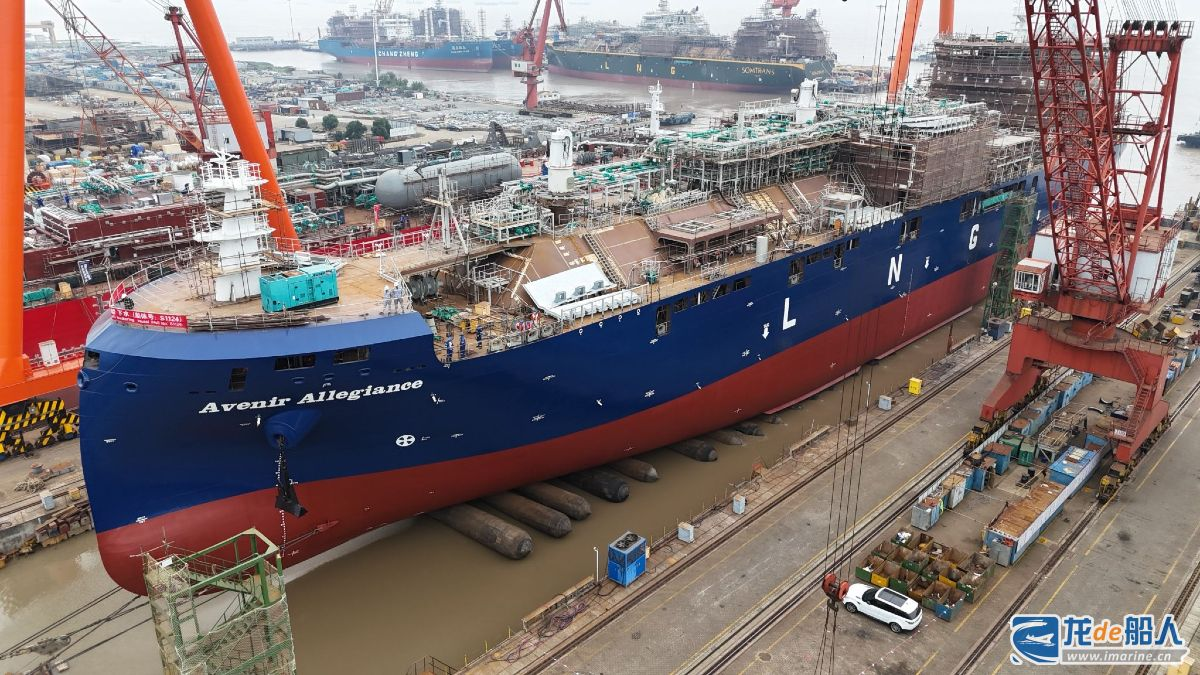
LNG bunkering vessel fleet continues to grow
Approximately 50% of the newbuild vessels delivered over the past five years are dedicated LNG bunkering ships of various sizes. The LNG bunkering sector is seeing steady growth and holds a promising future—particularly in regions dominated by the cruise industry, as well as at ports situated along long-haul shipping routes.
The average cargo capacity of new LNG bunkering vessels has also increased, with most newbuilds now featuring capacities of 20,000 cubic meters or greater. Leveraging mature shipbuilding technologies and highly competitive pricing, Chinese shipbuilders have secured a significant volume of orders for these vessels. Meanwhile, South Korean shipbuilders—most notably Hyundai Mipo Dockyard (now part of HD Hyundai Heavy Industries)—remain highly competitive in this market segment, with several LNG bunkering vessels currently under construction at their facilities.
The fleet is expanding at an astonishing rate
Overall, the fleet of small-scale LNG carriers is expanding at an impressive rate. Approximately 80% of the global fleet of small-scale LNG carriers—defined as those with a capacity of less than 40,000 cubic meters—have been built or are currently under construction within the last 12 years.
In summary, the small-scale LNG carrier market is evolving into a modern, regionally-focused fleet, dominated by 20,000-cubic-meter-class LNG bunkering vessels, many of which feature independent Type C cargo tanks. Consequently, many of these vessels are subject to local cabotage laws—regulations governing coastal trade that may restrict the number of vessels, the nationality of the crew, or, in some instances, even the ownership structure of the ships (such as the Jones Act in the United States).
While cabotage regulations—designed to protect domestic shipping industries—often lead to higher operating costs, the LNG bunkering sector has demonstrated significant long-term profit potential, making it a highly attractive investment for shipowners. The LNG bunkering market has experienced strong growth over the past few years, and all indications point to the realization of further new-build projects in the coming years.