


TKMS, the independently spun-off naval shipbuilding subsidiary of ThyssenKrupp, has withdrawn from the bidding process for German Naval Yards Kiel (GNYK) because “the two parties were unable to reach an agreement on the purchase price.” This move paves the way for a potential acquisition of the shipyard by European defense giant Rheinmetall, which could reshape the competitive landscape of Germany’s naval defense industry.
GNYK CEO Oliver Burkhard stated, “Acquiring GNYK is a good option for expanding production capacity, but it is not an absolute necessity. After careful evaluation, TKMS does not see a need to acquire the shipyard at this stage.” Commenting on the decision to withdraw from the bid, he explained, “Since the two parties could not reach an agreement on the financial terms, the bidding process has now been terminated.”
GNYK’s decision to abandon the bid was not a spur-of-the-moment move; as early as May 2026, the shipbuilder had stated that it would not complete the acquisition “at any cost.”
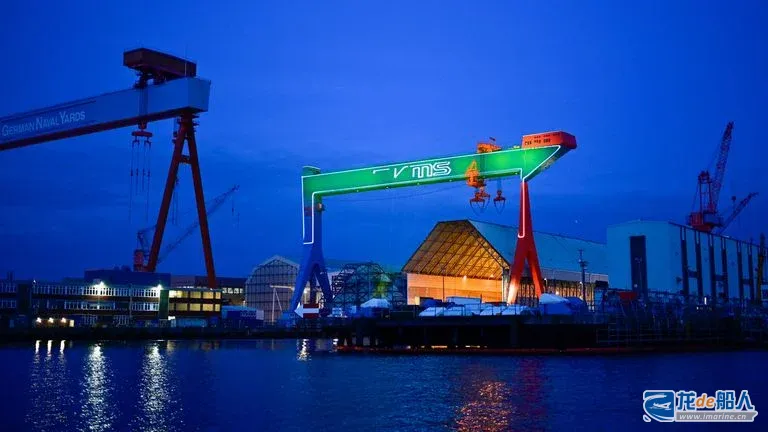
Foreign media reports suggest a touch of historical irony in the collapse of the acquisition deal between TKMS and GNYK. Both shipbuilders trace their origins back to the Howaldtswerke-Deutsche Werft (HDW) shipyard, established in 1838. Had the acquisition succeeded, these two companies—sharing the same corporate lineage—would have reunited. However, TKMS ultimately abandoned the bid due to the asking price, concluding that its existing production capacity was sufficient to handle multiple defense contracts, including Canada’s Patrol Submarine Project (CPSP).
Data indicates that TKMS’s Kiel facility primarily constructs submarines and is located adjacent to the German Naval Yard Kiel (GNYK), whereas GNYK specializes in building surface vessels such as frigates and offshore patrol vessels. TKMS’s decision to acquire GNYK stemmed from the high degree of complementarity between the two companies’ core shipbuilding portfolios, with the merger expected to foster synergistic growth.
TKMS currently holds defense orders valued at over €18 billion, including a contract to build four MEKO A-200 class corvettes for the German Navy—with an option for four additional vessels—at an estimated total cost of €11.6 billion and deliveries scheduled to begin in 2029. Given this massive order backlog, the acquisition raises a critical question: can TKMS meet delivery deadlines and maintain profitability without increasing production capacity or expanding its workforce of skilled shipbuilders?
In response, TKMS management maintains that its existing shipbuilding facilities are sufficient to handle current and anticipated defense shipbuilding projects; however, the risk of non-performance is extremely high—any delay in order delivery would trigger contractual penalty clauses and result in cost overruns.
In addition to TKMS, Rheinmetall submitted a non-binding offer to acquire GNYK in early May 2026, formally entering the bidding process for the shipyard. Prior to this, on March 1, 2026, Rheinmetall had acquired the German naval shipbuilder NVL (Lürssen) for approximately €1.5 billion; NVL is primarily responsible for major shipbuilding projects for the German Navy.
For GNYK, TKMS’s withdrawal casts greater uncertainty over the shipyard’s future ownership, leaving Rheinmetall as the sole remaining bidder.
In early May 2026, Rheinmetall submitted a non-binding offer to acquire GNYK, formally entering the bidding process for the shipyard. Rheinmetall had established a dedicated naval equipment business unit earlier that year to round out its defense product portfolio and sought to accelerate business expansion through the shipyard acquisition.
For GNYK, TKMS’s withdrawal casts greater uncertainty over the shipyard’s future ownership, leaving Rheinmetall as the sole remaining bidder.
In early May 2026, Rheinmetall submitted a non-binding offer to acquire GNYK, formally entering the bidding process for the shipyard. Rheinmetall had established a dedicated naval systems division earlier that year to round out its defense product portfolio and sought to accelerate business expansion through the acquisition of shipyards.
Prior to this, on March 1, 2026, Rheinmetall acquired the German Naval Vessels Lürssen (NVL) for approximately €1.5 billion; NVL is primarily responsible for major shipbuilding projects for the German Navy.
Rheinmetall had previously planned to take over the German F126 frigate project and assign its construction to the NVL; however, the German Ministry of Defence formally terminated the project a few days ago, citing “significant delays, massive cost overruns, and unforeseen risks.”
Subsequently, the German Ministry of Defence adjusted its frigate procurement strategy, shifting to TKMS for the acquisition of four plus four MEKO A-200 class light frigates; the project has an estimated total budget of €11.6 billion, with deliveries scheduled to begin in 2029.
TKMS’s decision to abandon the acquisition of GNYK—a rival—paves the way for Rheinmetall to reshape the competitive landscape of the German naval defense industry through shipyard acquisitions. The defense giant has already brought the NVL into its fold; successfully acquiring GNYK would position it as a comprehensive competitor to TKMS, boasting immense production capacity and economies of scale.
Compared to Rheinmetall, a diversified defense group, TKMS operates on a smaller scale. If Rheinmetall can leverage synergies across its expanded shipyard network, it will exert pressure on TKMS regarding both talent acquisition and bidding for future contracts. Competition for skilled labor in northern Germany is already fierce, and the expansion of shipyard capacity in the region will only intensify this battle for talent.