


On November 23, HD Korea Shipbuilding & Offshore Engineering (HD KSOE)—t the intermediate holding company for HD Hyundai Group’s shipbuilding business—announced that it has secured a contract to build two liquefied petroleum gas (LPG) carriers for an Asian shipowner. The total value of the order is 308.4 billion won (approximately $228.6 million), with each vessel costing about $114.3 million. The vessels will be constructed by HD Hyundai Samho and are scheduled for delivery in June 2030.
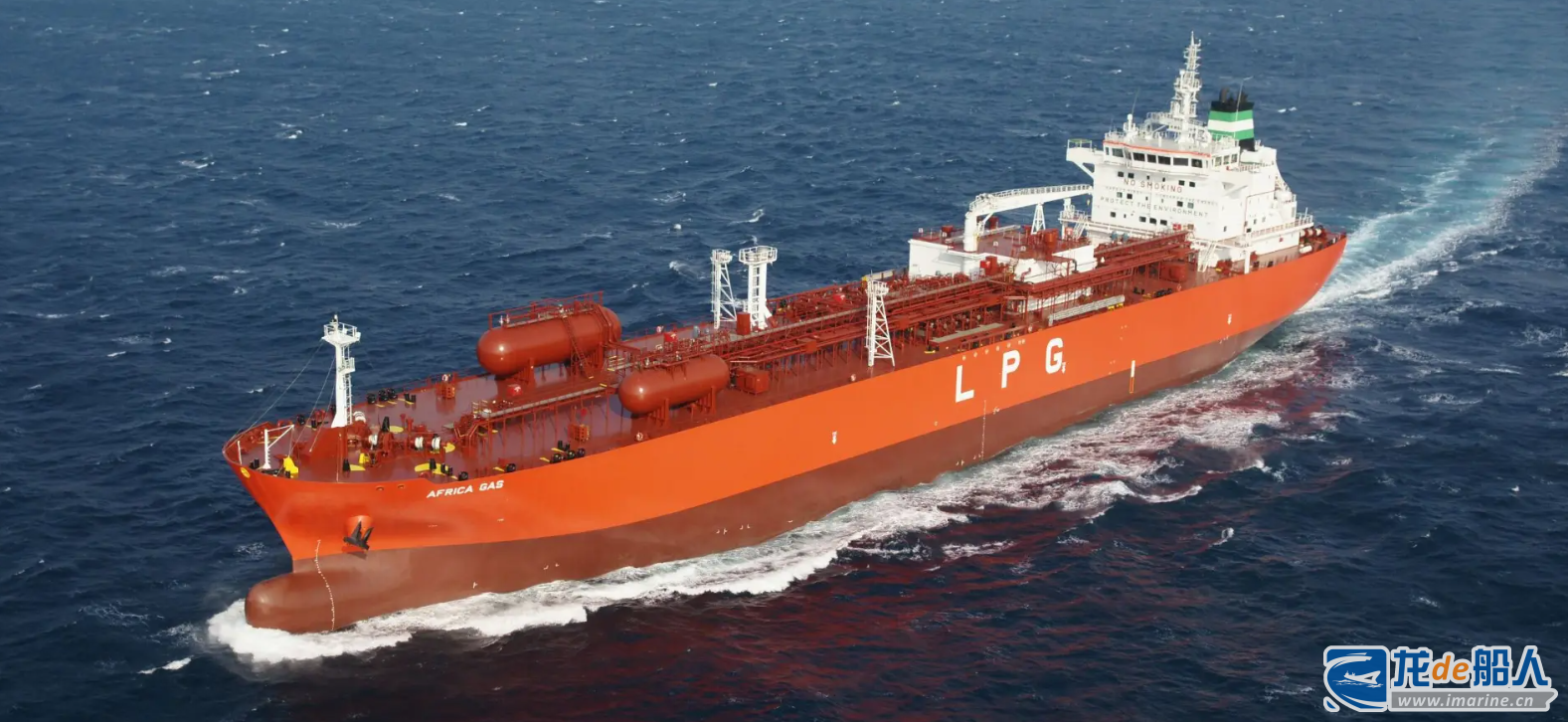
With the addition of these latest orders, HD KSOE has secured a total of 201 new shipbuilding contracts so far this year, valued at $22.13 billion (approximately 29.45 trillion won). This represents 94.9% of the company’s annual order target of $23.31 billion (approximately 31.6 trillion won).
Broken down by vessel type, the orders secured include 19 liquefied natural gas (LNG) carriers, 38 container ships, 68 LPG/ammonia/liquefied CO2 carriers, 11 crude oil tankers, 59 product tankers, 2 car carriers, 2 roll-on/roll-off (Ro-Ro) vessels, 1 icebreaker, and 1 floating storage and regasification unit (LNG-FSRU).
Although HD KSOE has not disclosed specific details regarding the shipowners, Japanese shipping giant Kawasaki Kisen Kaisha (K Line) confirmed on November 24 that it had placed an order with HD Hyundai Samho for two 90,000-cubic-meter, dual-fuel, very large gas carriers (VLGCs), which will be capable of transporting both LPG and liquid ammonia upon delivery.
K Line stated that these VLGCs will have a length of approximately 230 meters and a beam of about 32.25 meters, with a cargo capacity of roughly 90,000 cubic meters. The vessel’s width has been optimized to ensure it can pass through both the original and the new locks of the Panama Canal. In terms of environmental performance, the new vessels will be equipped with a dual-fuel propulsion system, allowing them to operate on either LPG or conventional marine fuels.
K Line is a long-established operator in the LPG carrier sector. Industry data indicates that the company currently operates four VLGCs, built between 2014 and 2023. As of the end of September 2026, K Line’s fleet is set to comprise 439 vessels, encompassing a diverse range of ship types, including bulk carriers, tankers, LNG carriers, and car carriers.