


Fincantieri has signed a contract with Carnival Corporation for the design and construction of two next-generation dual-fuel cruise ships for Carnival Cruise Line.
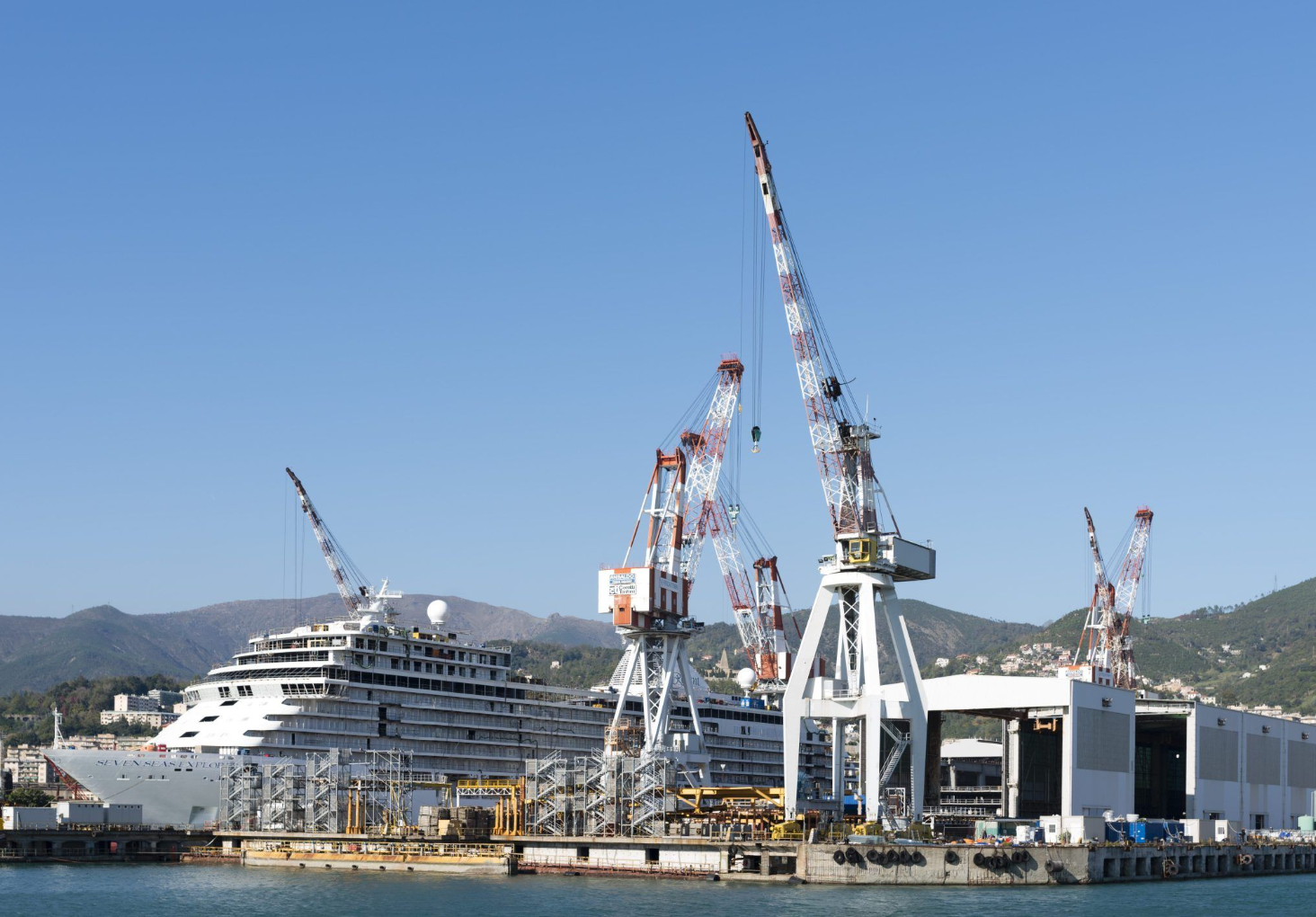
The vessels will be built at Fincantieri’s Marghera shipyard and are scheduled for delivery in 2033 and 2035. The value of the contract, subject to financing and other typical terms and conditions, is considered very important.
With a gross tonnage of about 130,000 tons and around 1,650 guest cabins each, the new vessels will combine advanced environmental and digital technologies with a highly efficient design. They will be dual-fuel powered, with LNG as their primary fuel, supporting a lower emission profile compared with conventional marine fuels. Additionally, this new design has been developed as a multi-brand platform for Carnival Corporation with a view to its potential future implementation across several of its cruise lines.
The order further strengthens the long-standing strategic relationship between Fincantieri and Carnival Corporation and also confirms the Group’s position at the forefront of the cruise shipbuilding industry.
Over the course of their 30-year relationship, Fincantieri has delivered 76 ships across Carnival Corporation’s cruise line portfolio, including 15 for Carnival Cruise Line. The order further expands a collaboration that continues to evolve through new generations of increasingly advanced vessels. The two new units add to the three-ship Ace-class program already underway for Carnival Cruise Line: in July 2026, Fincantieri began construction at its Monfalcone shipyard of “Carnival Destiny”, the first of three new Ace-class ships for Carnival Cruise Line, marking the start of a new industrial program for the Group.
Josh Weinstein, CEO of Carnival Corporation, said: “With 12 new ships now on order for delivery through 2039 across Carnival Cruise Line, Princess and AIDA, we have a strong pipeline that supports our measured approach to growth. The variety of ship sizes and features gives us flexibility to expand the choices and destinations we offer guests. At the same time, each new generation of ships brings advances in technology and efficiency that help us further reduce emissions and our overall environmental footprint. ”