


In its latest “Ocean Outlook” report, the ocean freight data analysis platform Xeneta forecasts that global container shipping demand will grow by a maximum of 4%, while capacity is set to increase by approximately 6.8%. This imbalance between supply and demand is expected to drive a decline in average annual spot freight rates by as much as 30%.
Based on data for the third quarter of 2026, the drop in contract freight rates is projected to be more moderate, at around 5%. However, Peter Sand, Chief Analyst at Xeneta, cautions that while the “fundamentals” point toward a decline in spot rates, such an outcome is not a certainty.
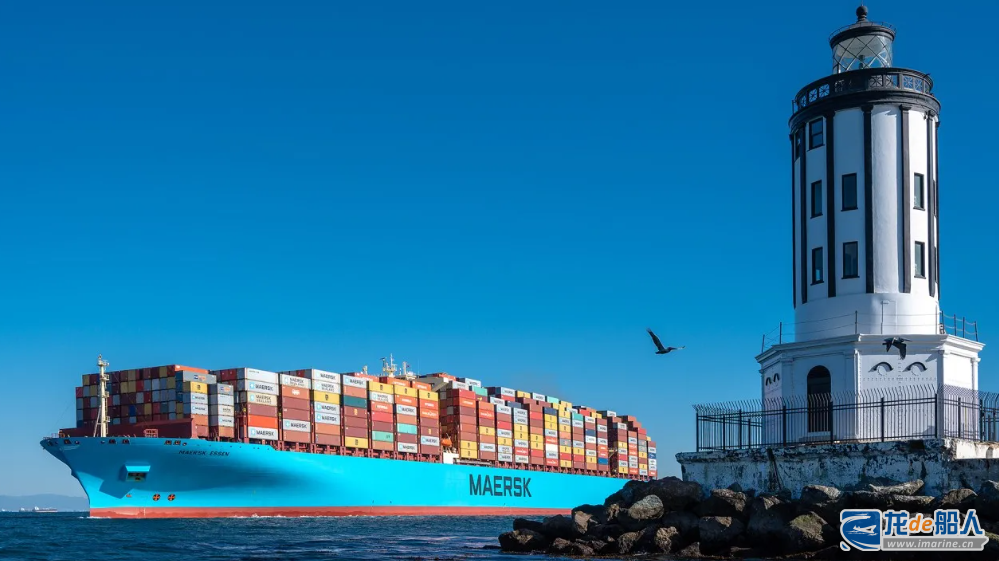
The gradual return of shipping capacity to the Red Sea/Suez Canal route is central to Xeneta’s latest forecast. The firm notes that more than 50% of capacity has already returned to this shorter route.
Peter Sand observes: “While there has been a clear recovery in capacity on the Red Sea route in recent months, this does not mean we can overlook the fragility of the geopolitical situation in the Middle East. It would take only a minor spark for tensions to flare up again, at which point shipping capacity could once more be withdrawn from the route.”
According to Xeneta data, global container demand grew by 4.7% during the first eight months of 2026. This growth was driven by cargo owners opting to ship goods earlier to mitigate risks—specifically, potential transport disruptions in the Arabian Gulf and rising fuel costs. Barring any further volatility in the container shipping market, the start of next year is expected to see a slowdown, while the peak season may also weaken as cargo owners work through their existing inventories.
Peter Sand notes: “Over the past three years, the market consistently anticipated a weakening in freight rates; yet, sudden, severe shocks—such as the Red Sea crisis in 2024, U.S. tariffs in 2025, and a potential crisis in the Strait of Hormuz in 2026—drove rates to surge in the opposite direction. While fleet capacity growth is set to outpace demand in 2027, major supply chain disruptions can easily overwhelm fundamental market conditions. It would be imprudent to assume that such shocks will not recur in 2027.”
However, Peter Sand added: “Low water levels in the Panama Canal could lead to transit restrictions, forcing cargo owners to pay additional costs to ensure timely passage. Given that the Suez Canal—a vital global maritime trade artery—is already affected, there is very little buffer left within the overall shipping system to withstand another round of supply chain shocks.”