

On November 5, Subsea7 announced that its subsidiary, Seaway7, has reached an agreement to sell its heavy transport business to HEA Energy. Financial details of the transaction have not been disclosed. The announcement indicates that the deal remains subject to customary closing conditions, including regulatory approvals, and is expected to be completed in the first half of 2027.
The transaction reportedly involves five vessels owned by Seaway7—Seaway Eagle, Seaway Falcon, Seaway Hawk, Seaway Osprey, and Seaway Albatross—as well as one chartered vessel, Seaway Swan.
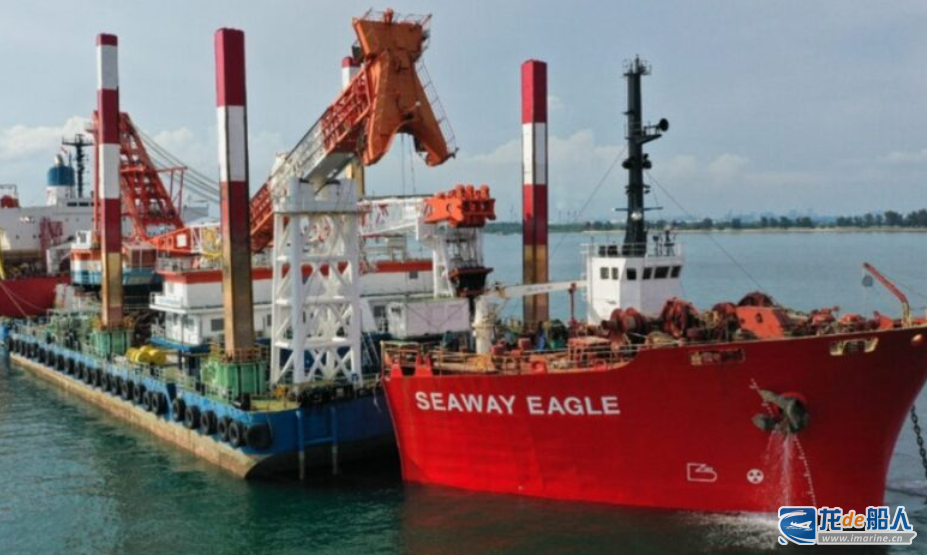
Following the completion of the transaction, HEA Energy will add a fleet consisting of five owned vessels and one chartered vessel. This fleet has a maximum cargo capacity of 55,000 tonnes and is capable of transporting oversized, heavy-lift items such as offshore wind foundations, offshore transformer stations, jack-up drilling rigs, and offshore modules.
This transaction marks another significant expansion of HEA Energy’s offshore vessel operations. As of September this year, the company has taken delivery of 19 vessels, with an additional 12 currently under construction and scheduled for delivery through 2027.
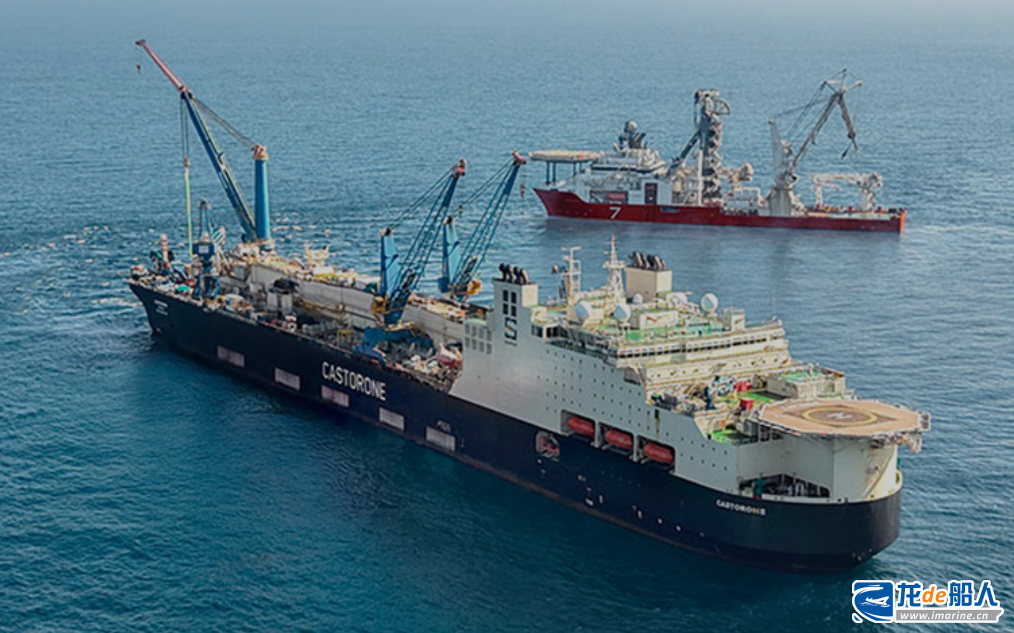
This divestment is one of the conditions for the proposed merger between Subsea7 and the Italian offshore contractor Saipem. Upon completion of the transaction, Subsea7 will distribute a special dividend of €105 million to its shareholders.
As previously reported, Saipem and Subsea7 signed a binding merger agreement on July 24, 2025, with the merger expected to be finalized in the second half of 2026. Under the terms of the agreement, the proposed merger will be structured as an EU cross-border statutory merger, in which Subsea7 will be merged into Saipem. The resulting entity will be named “Saipem7,” with each company holding a 50% equity stake in the new firm.
According to the latest reports, Brazil’s antitrust regulator, CADE, granted conditional approval for the merger on November 4. The approval is contingent upon the divestment of the pipe-laying and heavy-lift vessel “Seven Borealis” to address competition concerns. The merger remains subject to regulatory review in Europe and Australia.
Data indicates that Saipem currently operates 6 facilities and maintains an offshore fleet of 21 construction vessels—17 of which are company-owned—along with 15 drilling rigs (9 of which are owned). Subsea7’s construction fleet comprises approximately 40 vessels.
The combined entity—an offshore industry “giant”—would generate a total revenue of approximately €21 billion (approx. $23.5 billion) and employ about 44,000 people, including over 9,000 engineers and project managers. It would possess a diversified fleet of more than 60 vessels, with operations spanning over 60 countries worldwide. The company would cover a full spectrum of offshore and onshore services—ranging from drilling, engineering, and construction to the entire lifecycle management of oilfields, including decommissioning.