


Driven by increased shipbuilding volume, Samsung Heavy Industries achieved growth in both revenue and profit for the second quarter of 2026. However, the company’s operating profit fell short of market expectations due to costs associated with one-off bonuses and an increased share of overseas crude oil tanker construction projects, which carry relatively lower profit margins.
On July 24, Samsung Heavy Industries released its financial results for the second quarter of 2026. Based on consolidated financial statements, the shipbuilder reported revenue of 3.23 trillion won for the April–June period, representing a year-over-year increase of 20.4% and a quarter-over-quarter increase of 11.3%. Operating profit reached 325 billion won (approximately $226 million), up 58.7% year-over-year and 19% quarter-over-quarter; The operating profit margin rose to 10.1%, up from 7.6% in the same period last year and 9.4% in the first quarter of 2026.
In terms of operating profit, Samsung Heavy Industries reported a figure approximately 18% lower than the South Korean securities market’s forecast of 398.5 billion won. Samsung Heavy Industries explained: “During the reporting period, the company recorded previously paid bonuses as part of its retirement benefit provisions, resulting in a one-time significant expense. The expansion of our global operations strategy—specifically, the use of overseas shipyards for shipbuilding—also impacted profitability, as the revenue share from high-value-added LNG carriers declined, while that from crude oil tankers continued to rise.”
To make up for the capacity shortfall at its Geoje shipyard, Samsung Heavy Industries is currently outsourcing the construction of relatively low-margin vessel types, such as crude oil carriers, to shipyards in China and Vietnam; related revenue will be consolidated into its financial statements on a large scale starting in the second quarter of 2026. At the same time, the launch of vessels completed in Dry Dock No. 2 at the Geoje shipyard has resumed, freeing up space in the dock to accommodate subsequent new ship construction, which will further boost overall shipbuilding capacity.
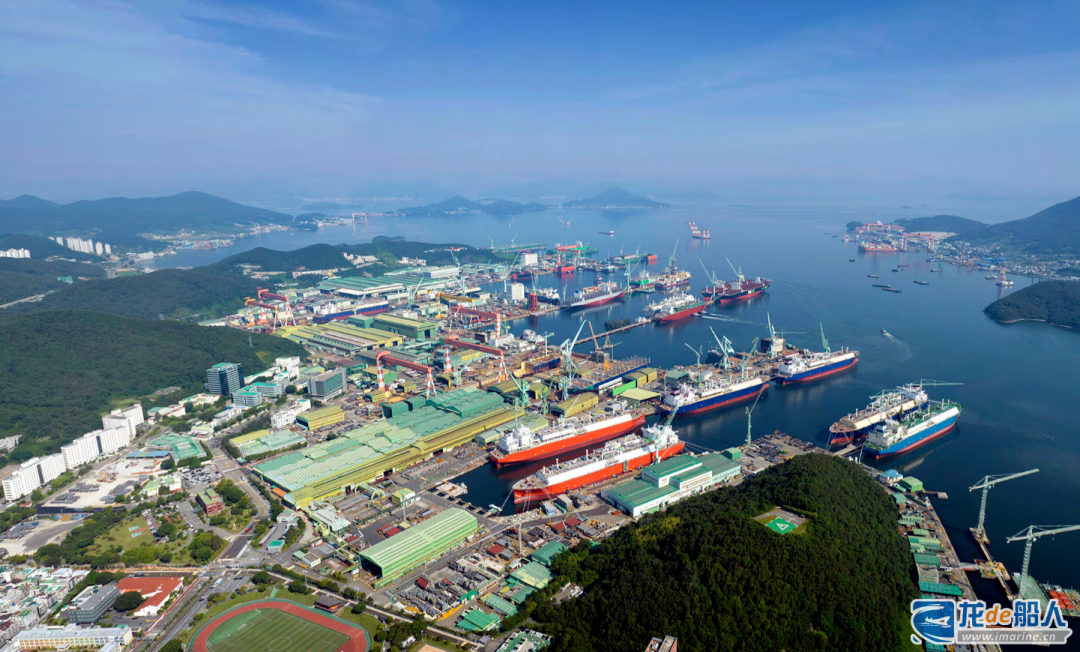
However, while overseas shipbuilding operations are boosting overall revenue, they are further limiting Samsung Heavy Industries’ profitability. This is because orders for crude oil carriers yield low profits; although costs are controlled through outsourcing, profit margins remain far lower than those for vessel types built by South Korean shipyards, such as LNG carriers and floating liquefied natural gas production units (FLNG).
The South Korean securities market believes that, as overseas shipyards are currently in the process of building their first vessels and need time to stabilize their workforce and workflows, this will put pressure on Samsung Heavy Industries’ profitability in the short term.
Although orders for crude oil tankers have dragged down the profitability of Samsung Heavy Industries’ commercial ship segment, the company’s overall profitability has improved thanks to an increase in the volume of high-value LNG and LPG carriers secured since 2024, as well as revenue generated from FLNG projects. In the second quarter of 2026, the commercial ship and offshore engineering segments accounted for 75% and 25% of total revenue, respectively, remaining largely unchanged from the previous quarter.
For the first half of 2026 as a whole, Samsung Heavy Industries reported operating revenue of 6.13 trillion won, an increase of 18.5% year-over-year; operating profit reached 598.1 billion won (approximately $416 million), up 82.4% year-over-year.
Samsung Heavy Industries expects that, with increased shipbuilding volumes at overseas shipyards in the second half of the year and rising revenue from LNG carriers and FLNG projects undertaken by its Geoje shipyard, the company is on track to successfully meet its annual revenue target of 12.8 trillion won set at the beginning of the year.